A guide to finding an Austin neighborhood that fits the way you actually want to live.
Moving to Austin is exciting, but one of the hardest parts of the process can be figuring out where you actually want to live.
Austin has so many different neighborhoods and surrounding communities that it can be easy to feel overwhelmed. One person may want to walk to coffee shops and restaurants every weekend, while another may want a larger yard, more space, and a quieter setting.
There isn't one neighborhood that is best for everyone. The right place for you depends on your lifestyle, commute, budget, and what you want your day to day life to look like.
I work with a lot of clients relocating to Austin, and one of the first things I help them figure out is not just where they can afford to live, but where they will actually enjoy living.
If you're just beginning your research, my Moving to Austin: A Complete Relocation Guide is a great place to start. It covers many of the bigger questions that come with relocating to Austin and can help you get familiar with the city before you start narrowing down neighborhoods.
Before looking at specific neighborhoods, think about how you actually want to spend your time.
Do you want to be close to restaurants, coffee shops, and nightlife? Would you rather have a quiet neighborhood with a larger backyard? Do you want to be close to trails and outdoor activities? Is having a short commute one of your top priorities?
These questions can quickly narrow down your options.
For example, someone who loves being able to walk out their front door and grab coffee may have very different priorities than someone who wants a three car garage, a large yard, and plenty of space.
I always encourage my clients to think about what they want their everyday life to feel like rather than starting with a list of neighborhoods.
Austin traffic is something you should take seriously when choosing where to live.
A neighborhood that looks perfect on a map can feel very different if you're commuting across the city every day.
Before falling in love with a particular area, think about where you will be spending most of your time. That could be your office, your children's activities, the airport, or other places you visit regularly.
Your commute doesn't have to determine exactly where you live, but it should be part of the conversation.
If you're relocating and aren't familiar with Austin, this is one of the areas where working with a local Realtor can be especially helpful. I can help you understand how different areas connect and what the drive may actually look like during a typical day.
One of the biggest differences between Austin neighborhoods is the type of housing you'll find.
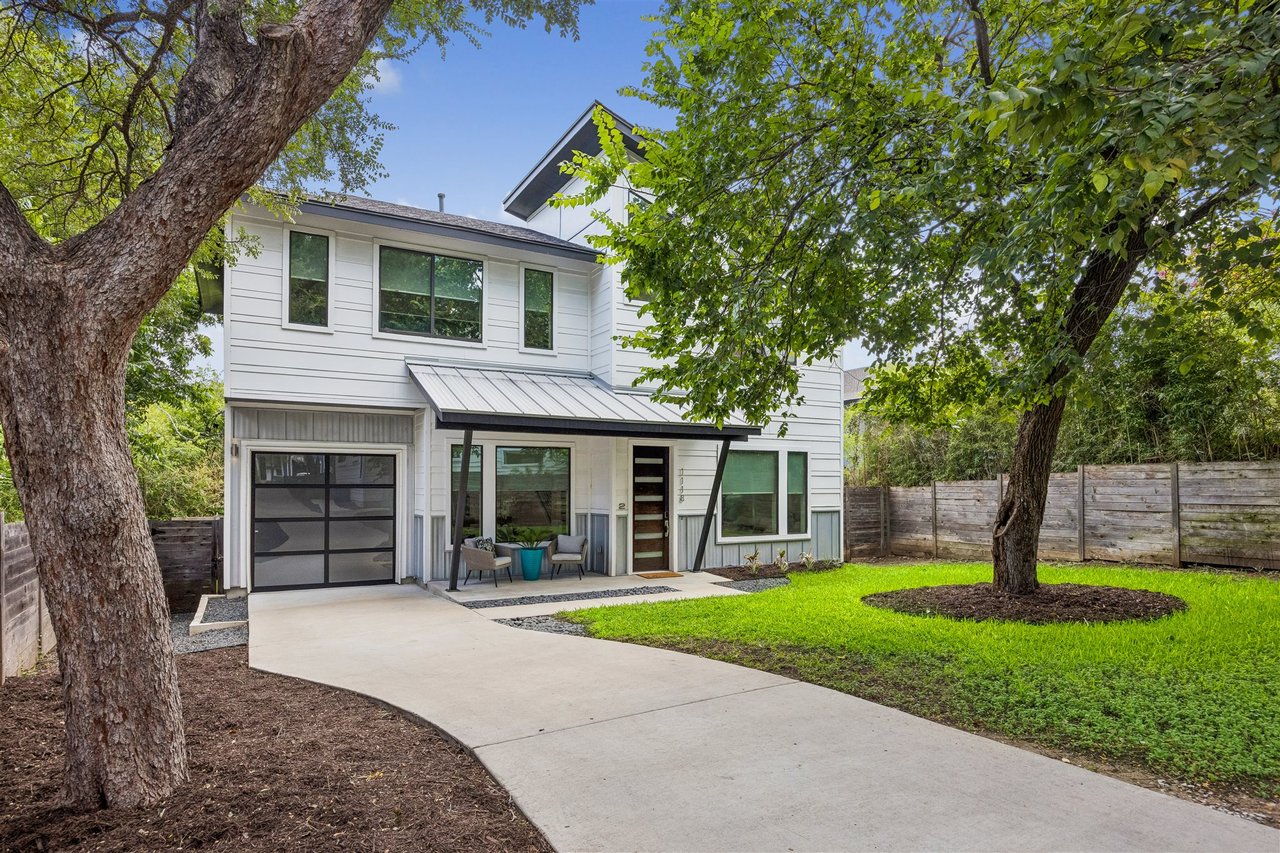
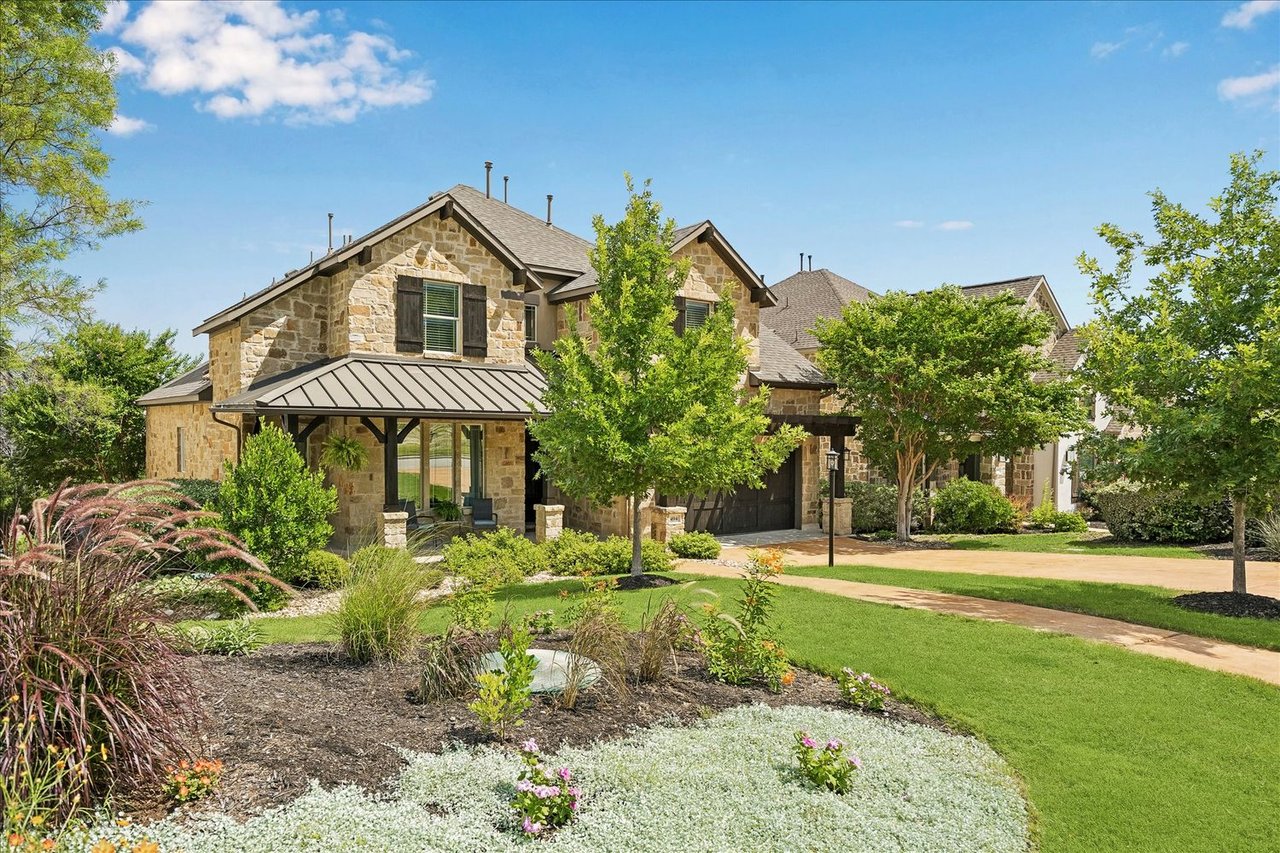
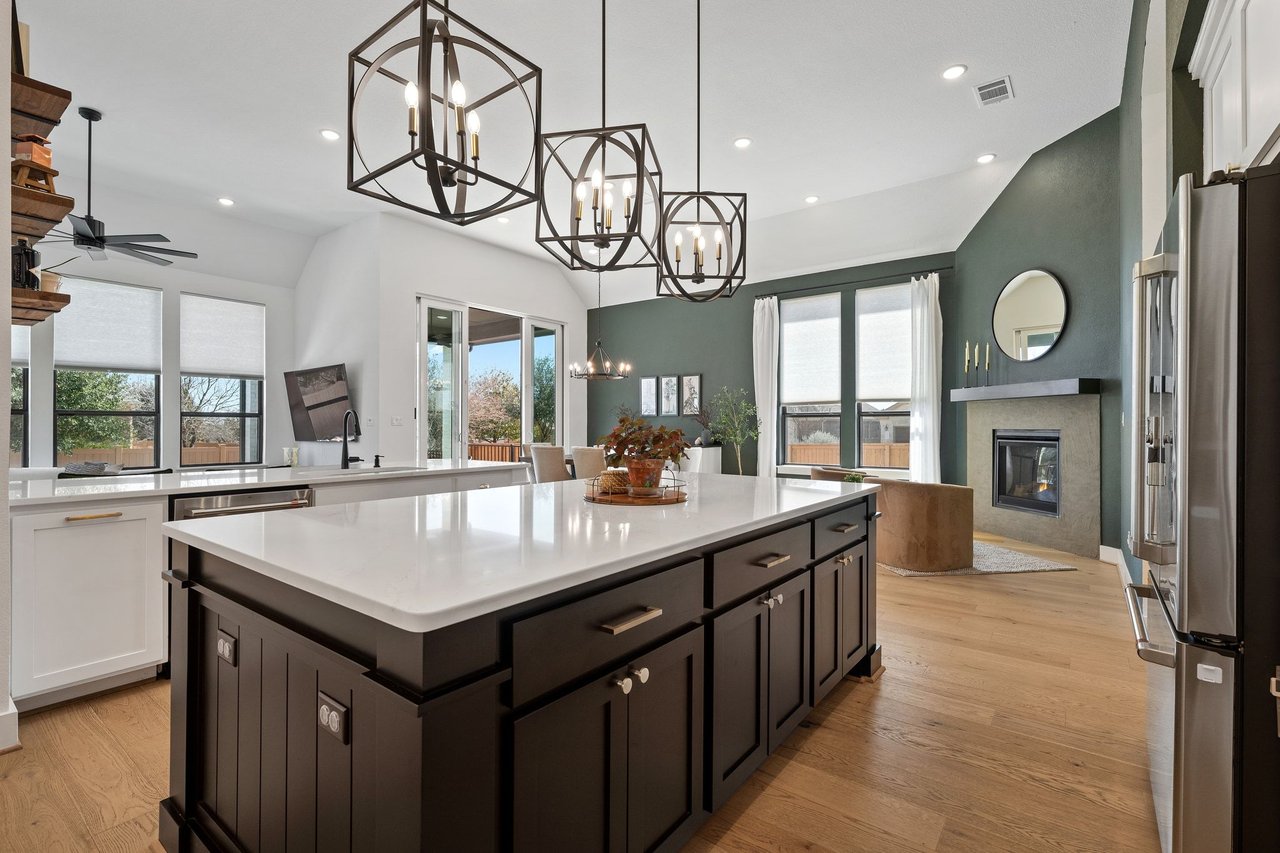
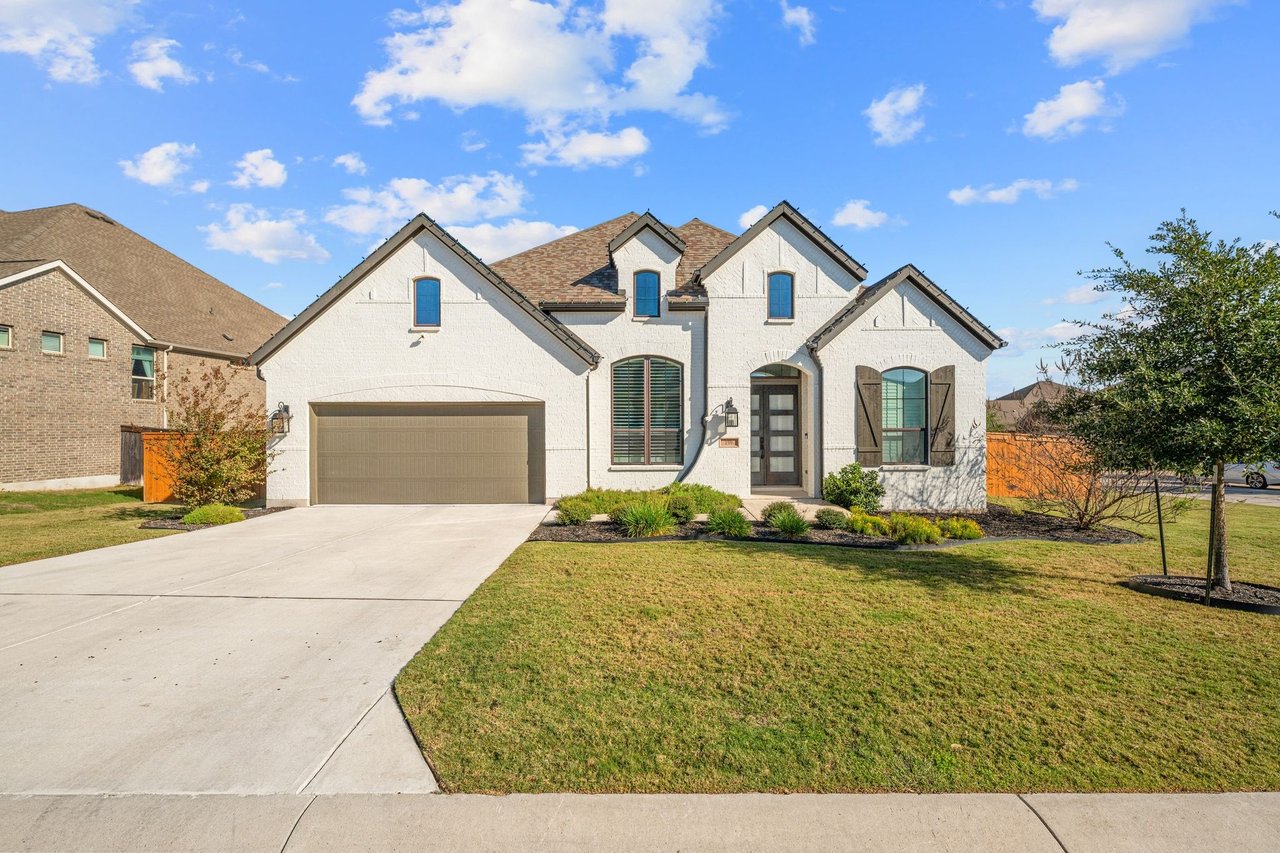
Some areas have smaller lots, older homes, and a more established feel. Others offer larger homes, newer construction, and more space.
Think about what you actually need rather than automatically searching for the biggest house your budget allows.
Do you need a home office?
Would you like a guest room?
Do you want a large backyard?
Is a two car garage important?
Would you rather have less house and spend more time enjoying the location?
These questions can help you figure out what type of neighborhood makes sense for you.
And before you start looking at homes, it's important to understand what you're comfortable spending. If you're still figuring out your budget, my guide How Much House Can I Afford in Austin? walks through the costs that go beyond the purchase price, including property taxes, insurance, HOA fees, and your monthly payment.
When people say they are moving to Austin, they don't always mean they want to live within Austin city limits.
The greater Austin area includes a wide range of communities, each with a different feel and housing options.
Depending on your priorities, you might consider areas like Bee Cave, Lakeway, Dripping Springs, Cedar Park, Leander, Round Rock, Georgetown, Buda, or Kyle.
Some people want to be closer to the city, while others are perfectly happy being farther out if it means having more space.
There is no right answer. It really comes down to what matters most to you.
Austin's surrounding communities can offer a very different combination of housing, commute, and lifestyle than central Austin, which is why I think it's important to look at the entire area rather than limiting your search too early. Current Austin neighborhood guides similarly break the market into distinct regions and communities rather than treating the metro as one neighborhood.
One of my favorite questions to ask clients is, "What do you want to be able to do without getting in your car?"
Maybe it's grabbing coffee.
Maybe it's walking to dinner.
Maybe it's getting on a trail.
Maybe it's being close to a grocery store.
Maybe you don't care about any of those things and would rather have a peaceful backyard and more privacy.
Those little details can have a huge impact on how much you enjoy your home.
A house can check every box on paper, but if the surrounding area doesn't fit your lifestyle, you may eventually feel like something is missing.
Your neighborhood search should always work together with your overall home buying budget.
A $700,000 home in one part of Austin may have a very different monthly cost than a $700,000 home somewhere else because of property taxes, HOA fees, MUD taxes, insurance, and other expenses.
Before deciding which neighborhoods to focus on, it's helpful to understand what monthly payment you're actually comfortable with.
That's why I recommend starting with your overall budget and then figuring out which areas give you the lifestyle you want within that range.
My guide How Much House Can I Afford in Austin? can help you understand the different costs to consider before you start touring homes.
Austin has a mix of older homes, renovated homes, new construction, and everything in between.
If you love character, you may find yourself drawn to an established neighborhood with mature trees and older homes.
If you prefer modern finishes and fewer immediate maintenance projects, new construction may be more appealing.
Neither is necessarily better. It really comes down to what you value.
It's also worth thinking about how much work you're willing to take on. A home that needs cosmetic updates may give you more flexibility on price, while a newer home may require less work right away.
And once you know what you're looking for, it's helpful to understand what other buyers are prioritizing. In What Austin Buyers Are Looking for Right Now, I break down some of the features and details that are standing out to buyers in today's Austin market.
One of the biggest perks of living in Austin is how much there is to do outside.
If being outdoors is a big part of your lifestyle, pay attention to how close you'll be to parks, trails, lakes, and other outdoor spaces.
Some buyers are willing to pay more for a location that makes it easy to get outside regularly.
Others may prefer having their own backyard where they can create an outdoor space at home.
Either way, think about how you actually spend your weekends. That can tell you a lot about where you should live.
When you're buying a home, it's easy to focus almost entirely on the property itself.
But you're not just buying a house. You're choosing where you're going to spend your time.
Pay attention to the streets, surrounding homes, traffic patterns, nearby businesses, and overall feel of the area when you're touring.
I always encourage my clients to drive through a neighborhood at different times of day if possible. A neighborhood can feel very different on a Saturday afternoon than it does on a weekday morning.
Online research is incredibly helpful when you're moving to a new city, but it can only tell you so much.
You can look at photos, home prices, maps, and listings all day, but that doesn't necessarily tell you what it feels like to actually live there.
This is especially true when you're relocating from another state.
One neighborhood may look perfect online but not feel like you expected once you're there. Another may not initially stand out but could end up being exactly what you're looking for.
That's why I like to show relocating clients a variety of areas rather than immediately narrowing them down to one neighborhood.
Sometimes the best fit is the place you weren't initially considering.
It's completely normal for your neighborhood preferences to change during the home search.
You may start out thinking you want to be as close to downtown as possible and realize that you would rather have more space.
Or you may think you want a large backyard and realize that being able to walk to restaurants is more important to you.
That's part of the process.
The goal isn't to choose the perfect neighborhood before you start looking. It's to learn enough about Austin to figure out what actually matters to you.
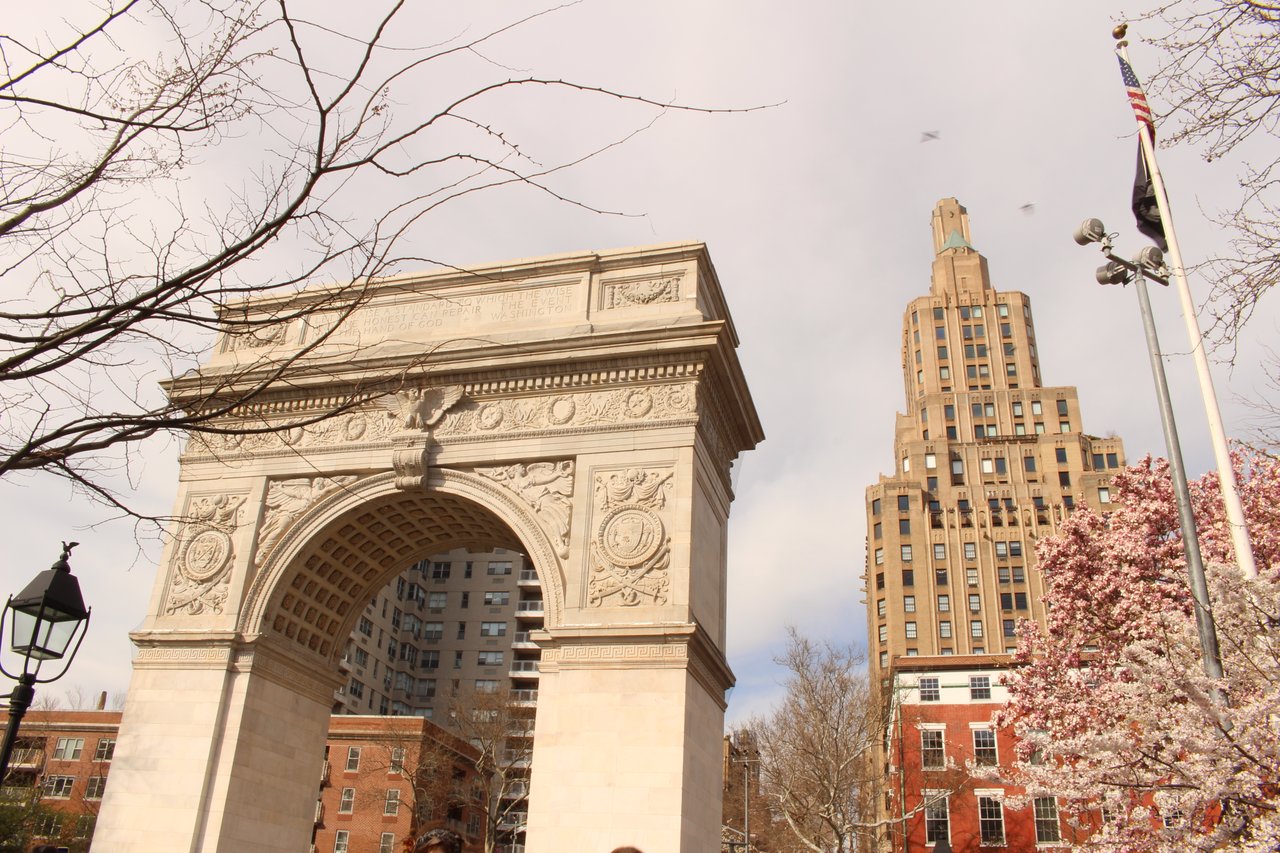
If you're relocating from New York, I also have a guide specifically for that transition in Relocating From New York to Austin. Moving from a city like New York to Austin can come with a very different approach to space, commuting, neighborhoods, and homeownership, so it's worth thinking through those differences before you start your search.
Choosing a neighborhood can look a little different if you're not buying your first home.
Move up buyers often have to balance what they want in their next home with what they already have in their current home.
You may want more space, a better location, a home office, a larger backyard, or a completely different lifestyle.
But that doesn't necessarily mean you need to leave everything you already love behind.
Before deciding where to move, think about what isn't working in your current home and what you want to be different next time.
And if selling your current home is part of the move, timing becomes another important piece of the puzzle. My article Should You Sell Before Buying Your Next Home in Austin? walks through some of the things to consider when you're trying to coordinate a sale and a purchase.
One of the biggest pieces of advice I give relocating clients is to give yourself permission to explore.
You don't have to know exactly where you want to live before you arrive in Austin.
In fact, I often think it's better to see several different areas and compare how they actually feel.
The right neighborhood may surprise you.
You may discover that the commute you thought would bother you isn't actually a big deal. Or you may realize that being close to restaurants and coffee shops is much more important than you expected.
The more you learn about Austin, the easier it becomes to figure out what fits.
Choosing an Austin neighborhood is about so much more than finding a home you love.
It's about finding a place that fits your lifestyle, your budget, your commute, and the way you want to spend your time.
There are so many great areas around Austin that I don't believe in giving every client the same list of "best neighborhoods." The right neighborhood depends entirely on what you're looking for.
That's one of my favorite parts of working with relocation clients. I get to learn what is important to them and help them discover the areas that actually fit their lives.
If you're thinking about moving to Austin and aren't sure where to start, I'd love to help you narrow down the areas that make the most sense for you and your lifestyle.
Madison Swanson
Luxury Real Estate Advisor, Compass
@buyingwithmadison