If you're thinking about selling your home, you've probably wondered whether it's worth making updates before putting it on the market.
Should you remodel the kitchen?
Replace the flooring?
Update the bathrooms?
Or should you list your home exactly as it is?
It's one of the most common conversations I have with sellers, and my answer is almost always the same:
It depends.
Every home is different. Every neighborhood is different. And every seller has different goals. The right strategy isn't about making every possible improvement. It's about making thoughtful decisions that help your home stand out without spending money where you won't see a return.
Let's walk through how I help my clients decide.
Before talking about paint colors or kitchen remodels, I always start with one question:
What are you hoping to accomplish?
Some sellers want to maximize their sales price, even if that means spending a little money before listing.
Others want to move quickly with as little work as possible.
Neither approach is wrong. The key is creating a plan that aligns with your timeline, budget, and goals.
Once we know what you're trying to achieve, we can decide where it makes sense to invest and where it doesn't.
One of the biggest misconceptions I hear is that sellers need to completely renovate their home before listing it.
In most cases, that's simply not true.
Major renovations can be expensive, time consuming, and difficult to complete before a move. More importantly, they don't always translate into a higher sales price.
Instead of asking, "What can we renovate?" I prefer to ask, "What improvements will make the biggest impact on buyers?"
Those are often two very different conversations.
While every home is unique, there are a few improvements that consistently help homes show better.
A fresh coat of paint is one of the most cost effective ways to refresh a home.
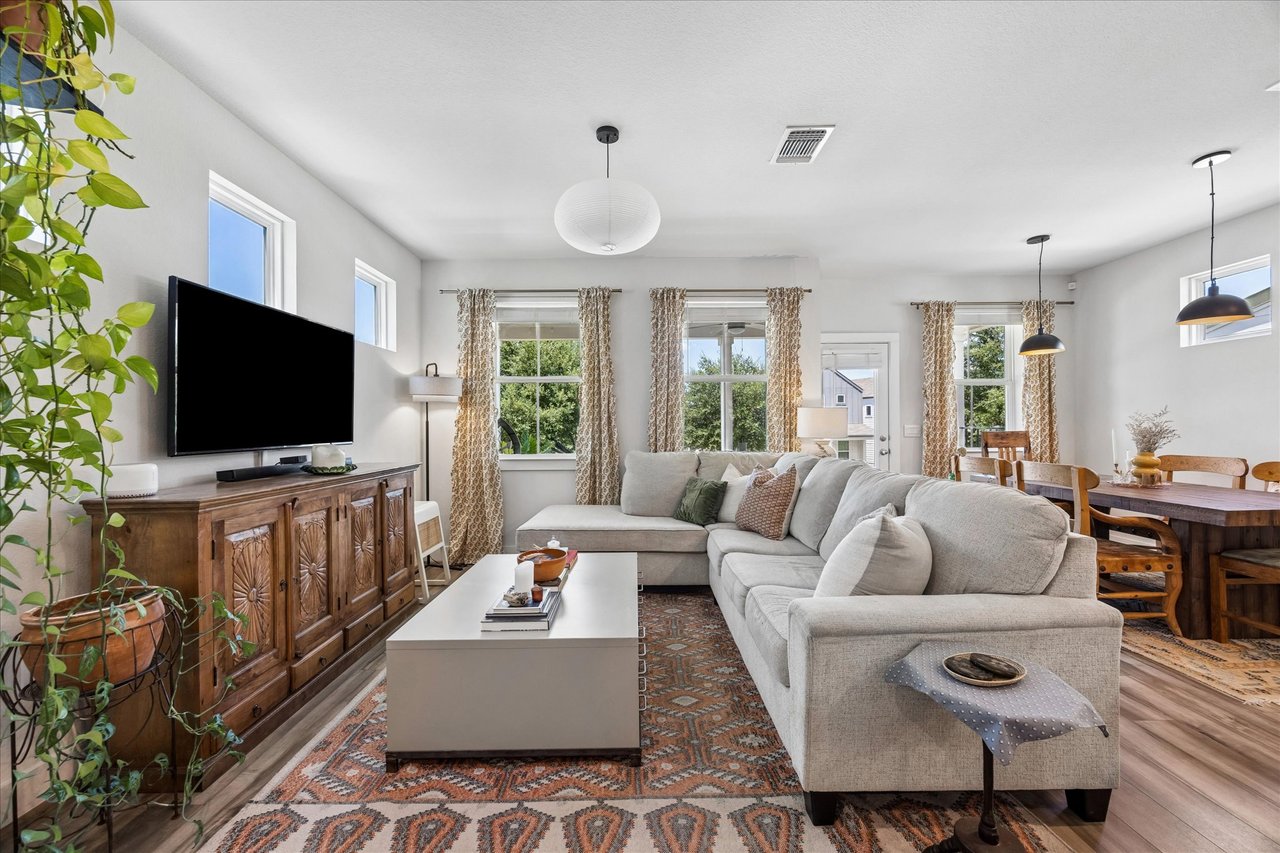
Neutral colors help brighten spaces, photograph well, and allow buyers to focus on the home's features instead of the walls.
Loose cabinet hardware.
A dripping faucet.
A cracked light switch.
A squeaky door.
Individually, these things may seem insignificant. Together, they can leave buyers wondering what other maintenance has been overlooked.
Taking care of small repairs before listing helps create confidence from the moment buyers walk through the door.
Lighting has a bigger impact than many homeowners realize.
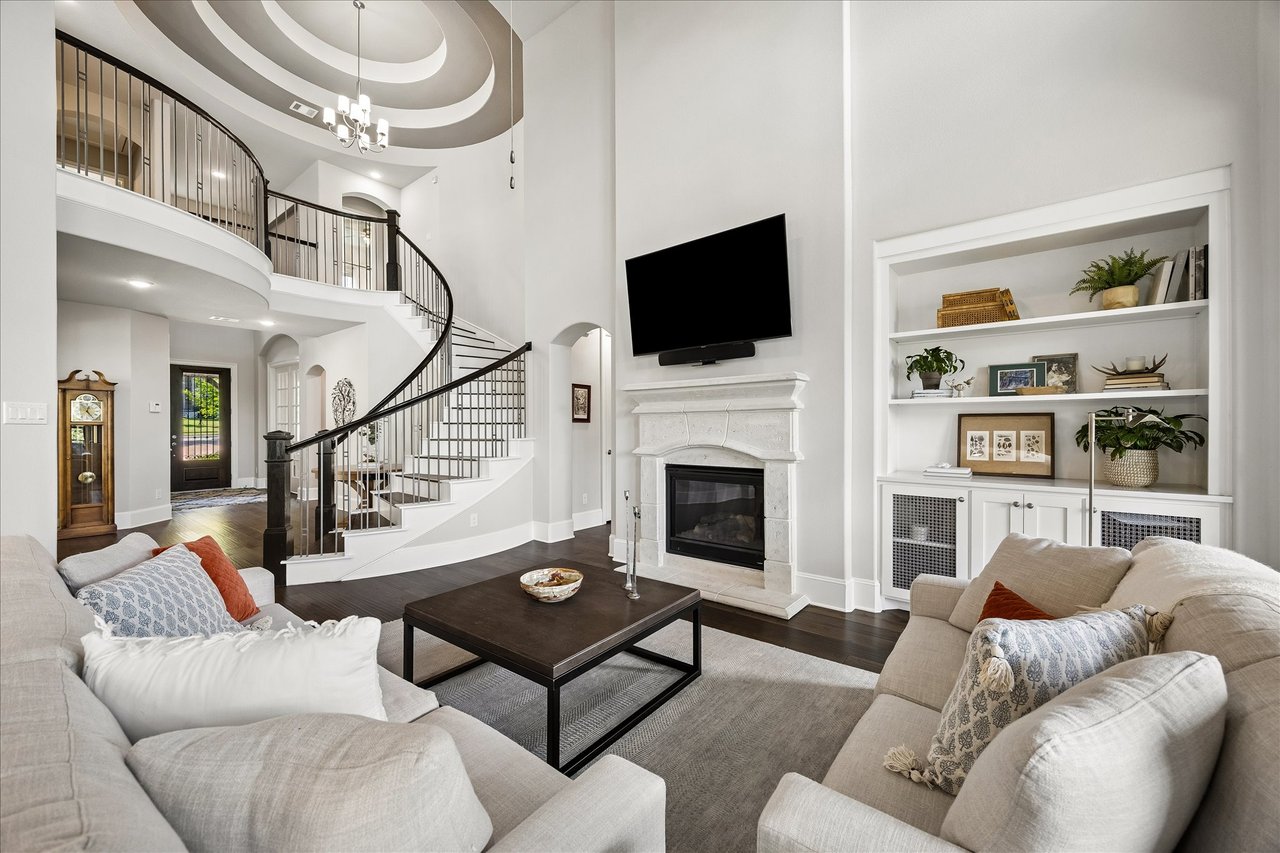
Replacing dated fixtures or simply using the appropriate light bulbs can make a home feel brighter, more inviting, and more current.
Natural light is one of the features buyers consistently gravitate toward, so making your home feel as bright as possible is always a good investment.
The showing starts before buyers ever step inside.
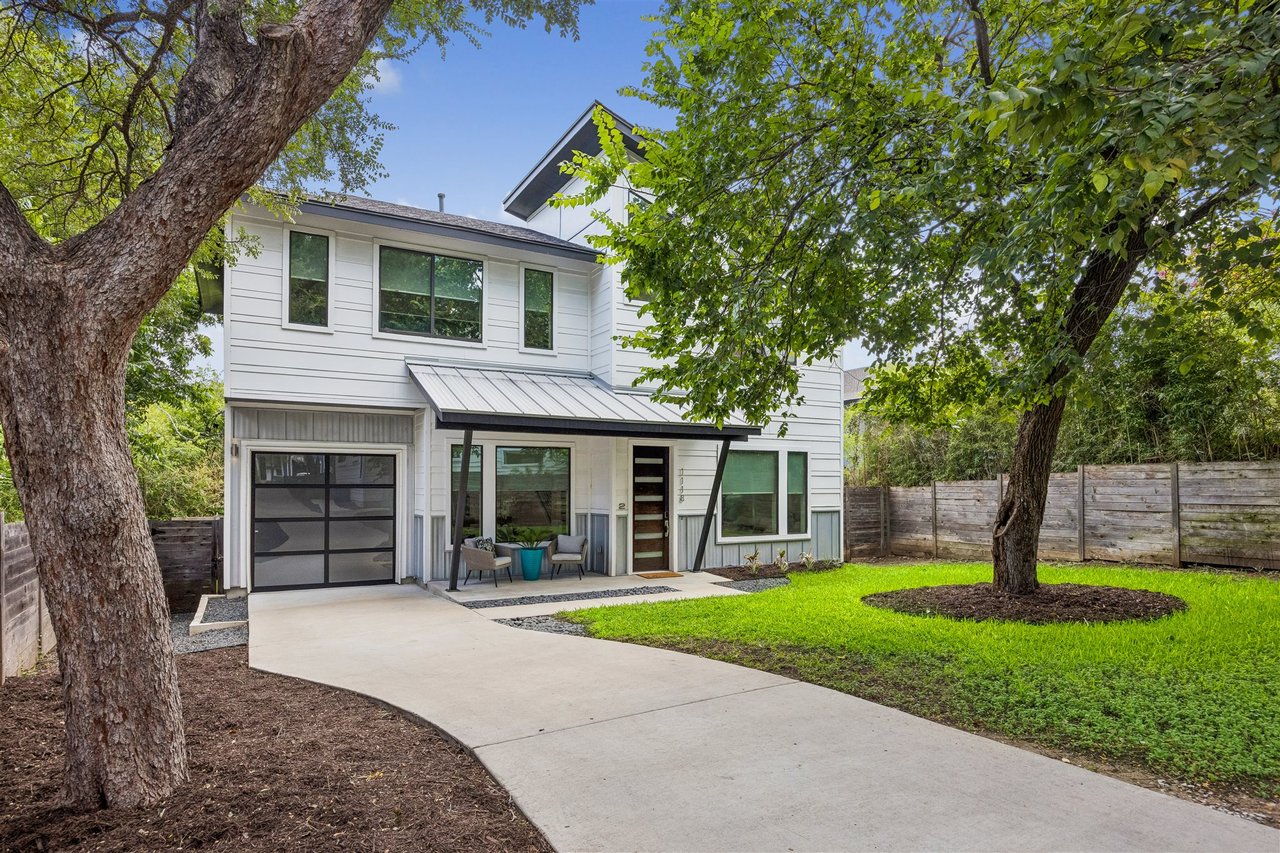
Fresh mulch, trimmed landscaping, pressure washing, and a clean front entry can dramatically improve first impressions without requiring a major investment.
There are situations where a larger update can make sense.
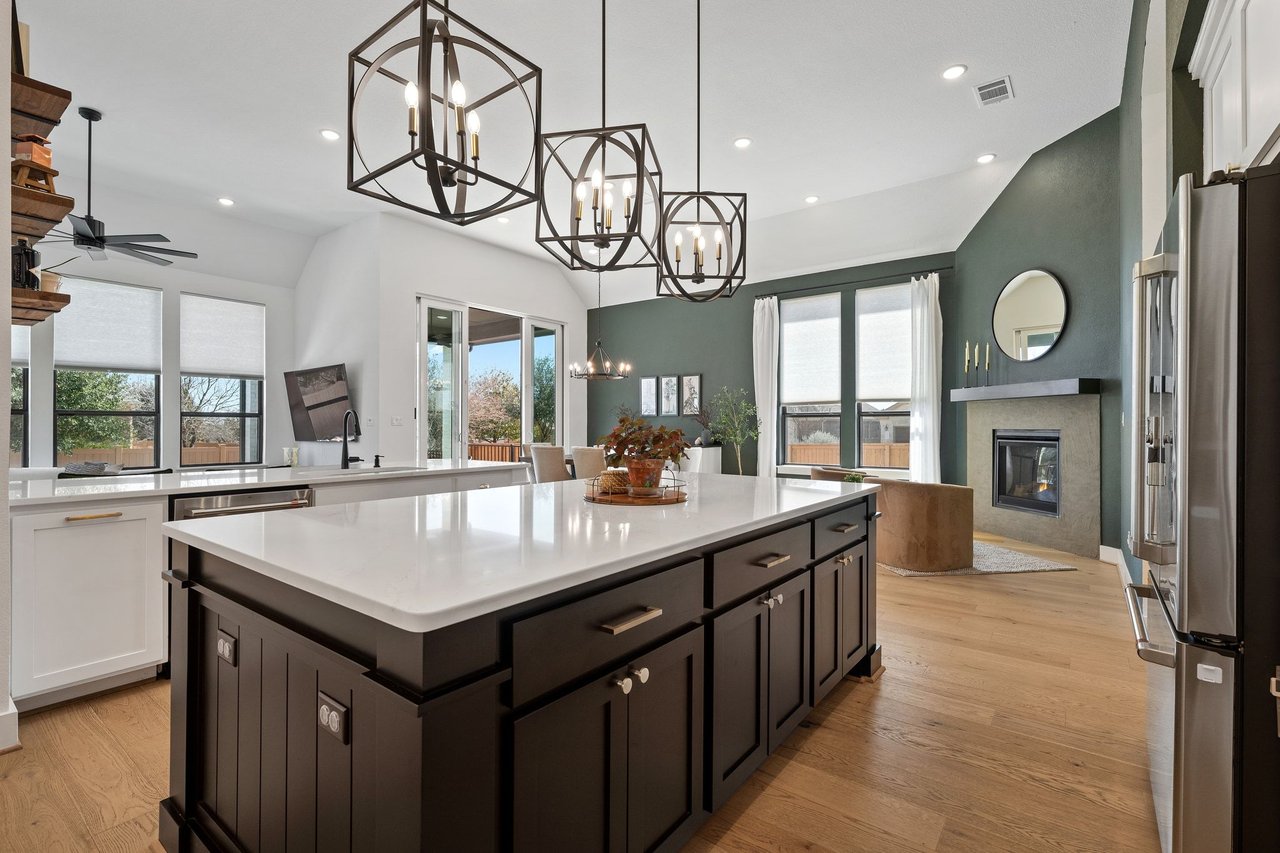
If a kitchen or bathroom is significantly outdated compared to similar homes in the neighborhood, strategic improvements may help position the home more competitively.
Likewise, replacing worn flooring or addressing obvious deferred maintenance may prevent buyers from discounting the home's value.
The important thing is evaluating these decisions through the lens of today's market, not personal preference.
I always encourage my clients to invest where buyers are likely to notice the difference and avoid spending money simply because a project feels overdue.
One of the biggest myths in real estate is that every home has to be perfect before it goes on the market.
That's simply not true.
There are many situations where selling your home in its current condition is the right decision.
Maybe you're relocating and working with a tight timeline.
Maybe the home needs more work than you're comfortable taking on.
Maybe you'd rather let the next owner make updates that reflect their own style.
Selling as is doesn't mean giving up on a successful sale. It simply means creating a pricing and marketing strategy that reflects the home's condition while highlighting its strengths.
One of the first things I do when meeting with a seller is walk through the home together.
I'll point out the updates I believe are worth considering and, just as importantly, the ones I don't think are necessary.
My goal isn't to hand you a long list of expensive projects.
It's to help you invest wisely.
Sometimes that's recommending fresh paint and landscaping.
Sometimes it's suggesting professional staging.
And sometimes it's telling you to save your money because the home is ready to go just as it is.
Every recommendation is based on your home, your neighborhood, your goals, and what buyers are looking for in today's market.
Not always. Many homes benefit more from smaller cosmetic improvements than large scale renovations. The best approach depends on your home's condition, comparable sales, and your goals.
Fresh paint, minor repairs, updated lighting, landscaping, and professional cleaning often provide some of the strongest returns because they improve a home's overall presentation.
Absolutely. Many homeowners choose to sell their homes as is. The key is creating the right pricing and marketing strategy so buyers understand the value the property offers.
Preparing your home for the market isn't about making it look like every other listing.
It's about understanding where thoughtful improvements can make a meaningful difference and where your money is better left in your pocket.
Every home has a different story, and every seller has different priorities. That's why I never recommend the same approach twice.
If you're thinking about selling your home and wondering whether it's worth making updates first, I'd be happy to walk through your home with you, discuss your goals, and help you decide where your time and money will have the greatest impact.
Sometimes the best investment is making a few strategic improvements.
Sometimes it's making none at all.
The key is knowing the difference.
Madison Swanson
Luxury Real Estate Advisor, Compass
@buyingwithmadison