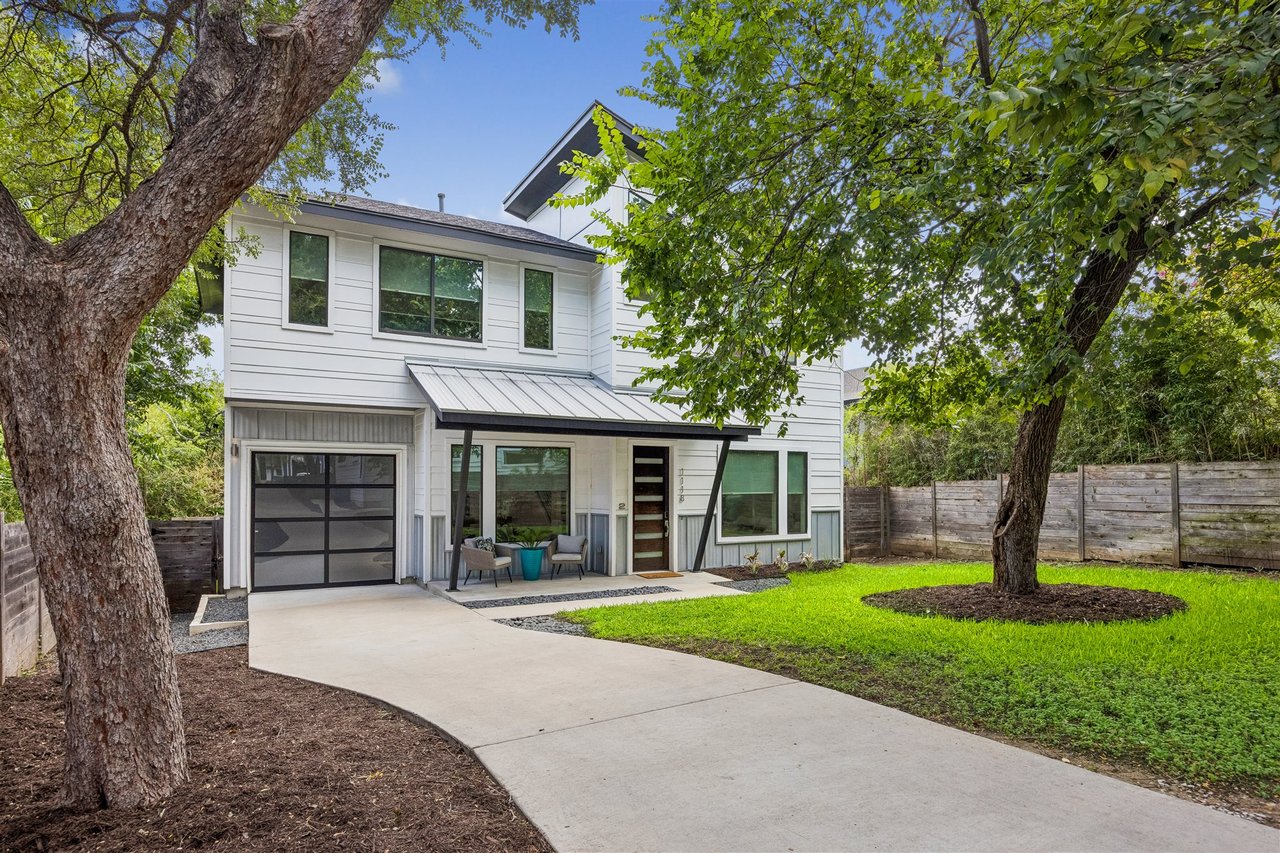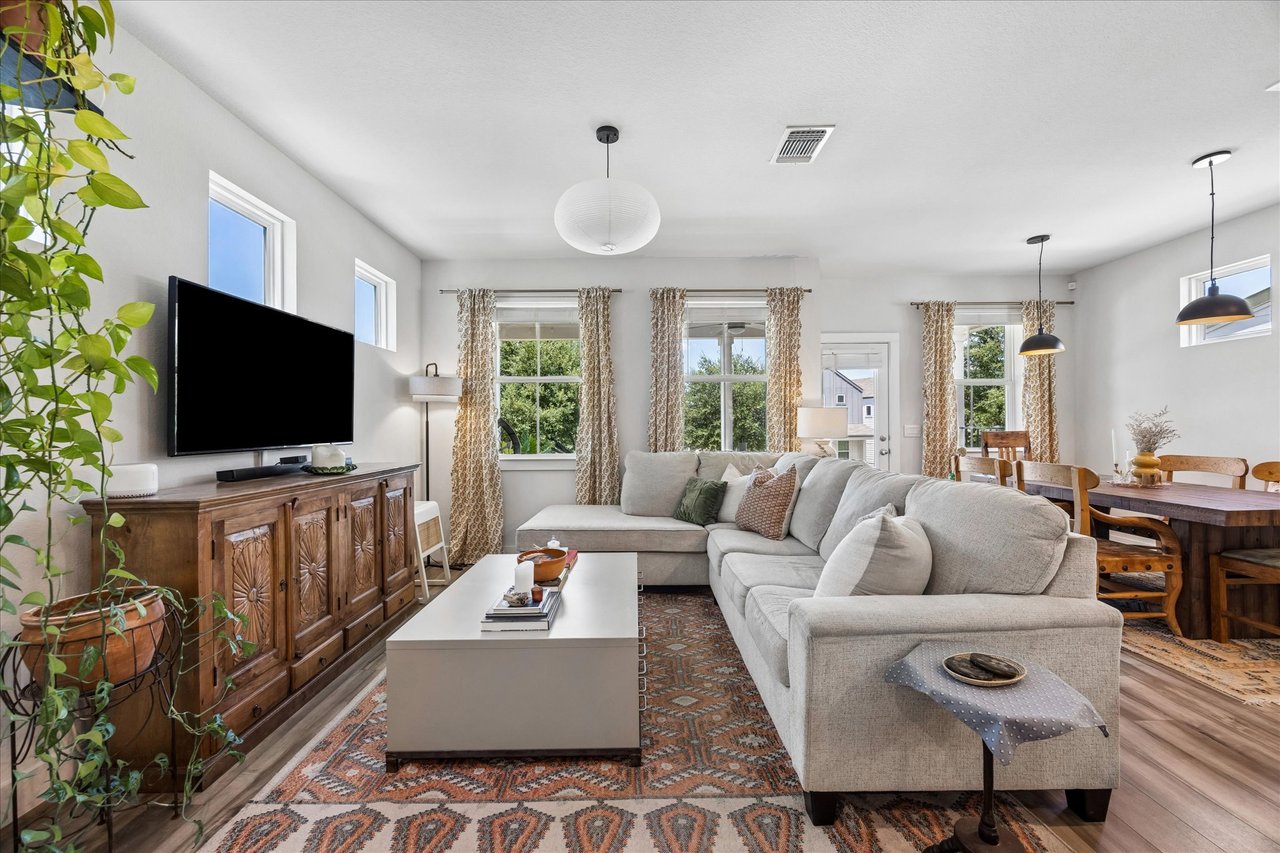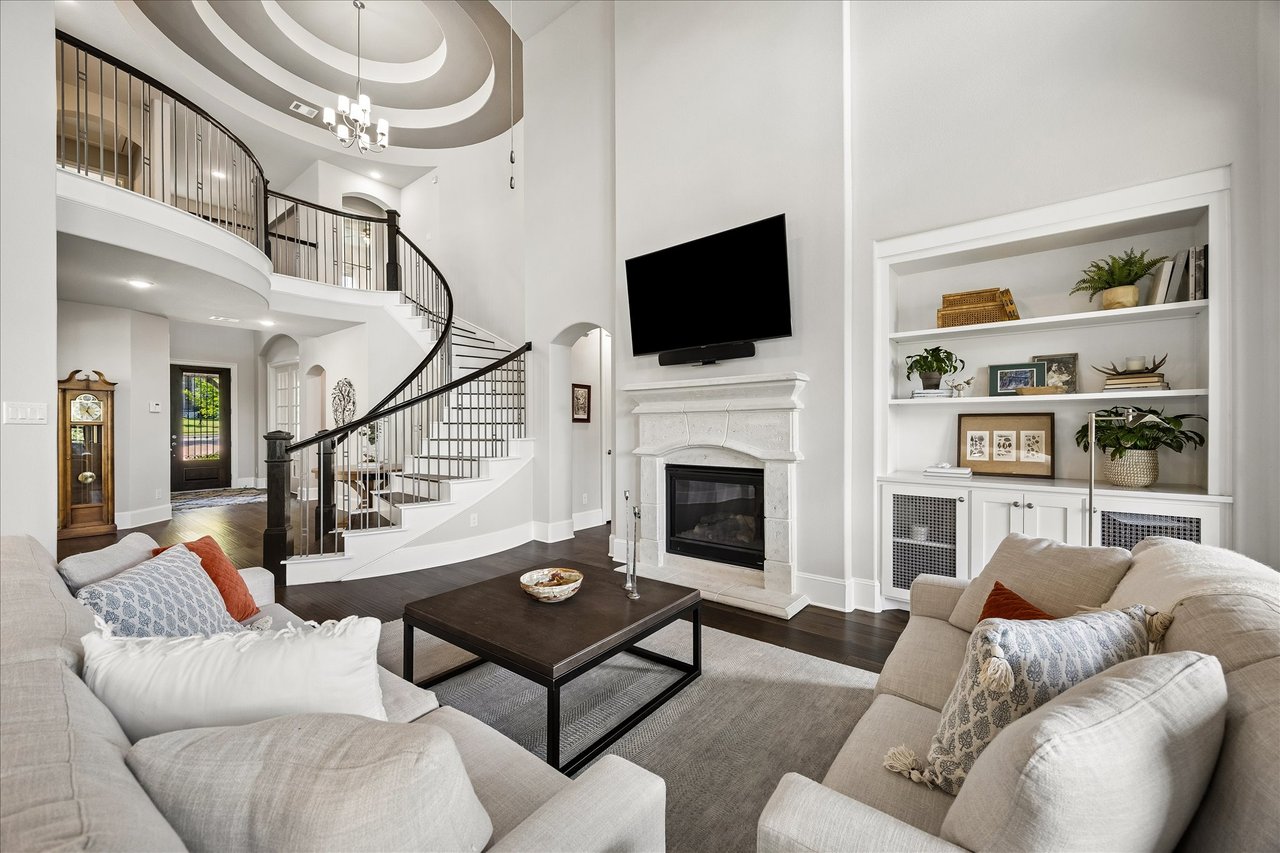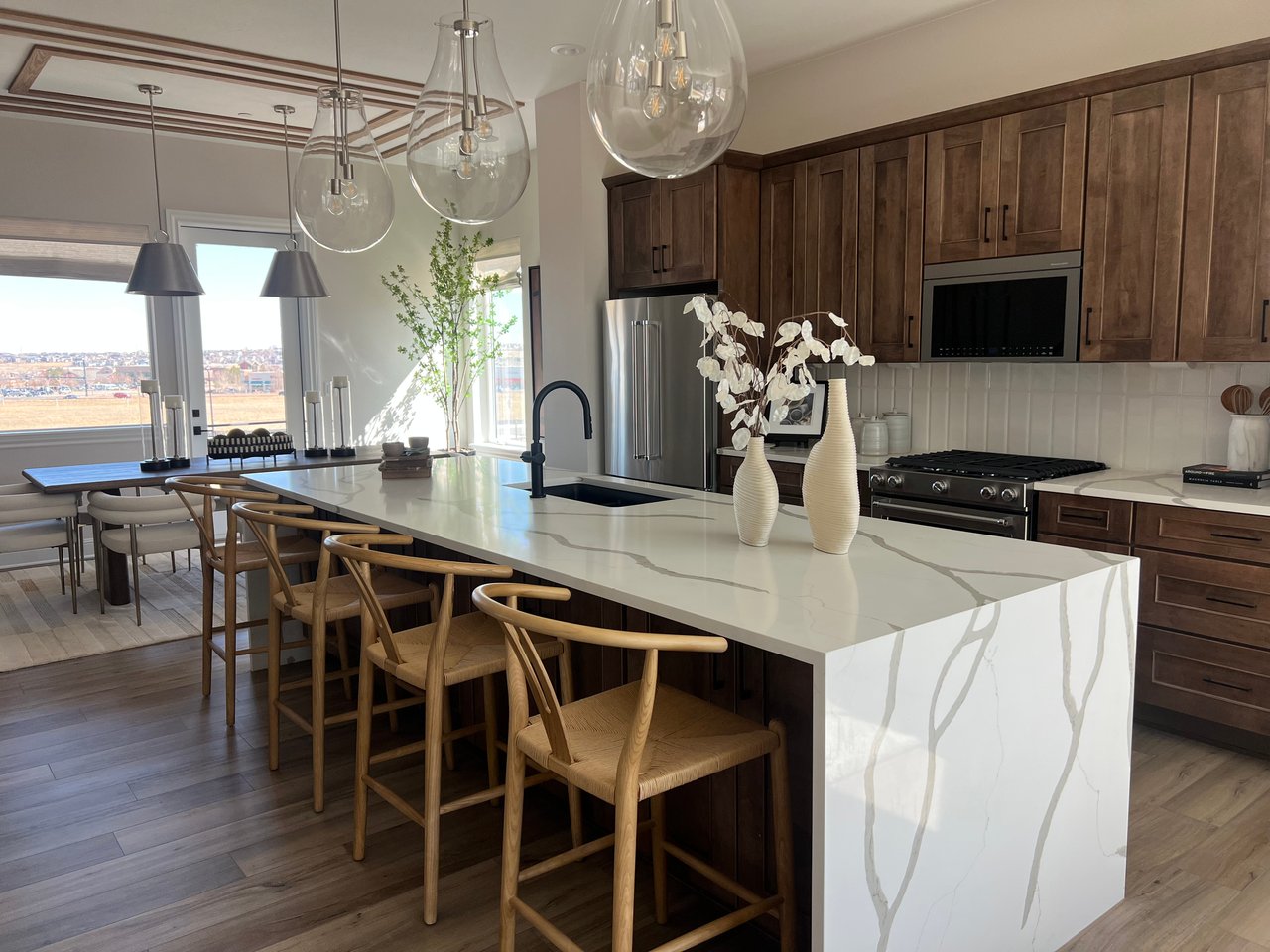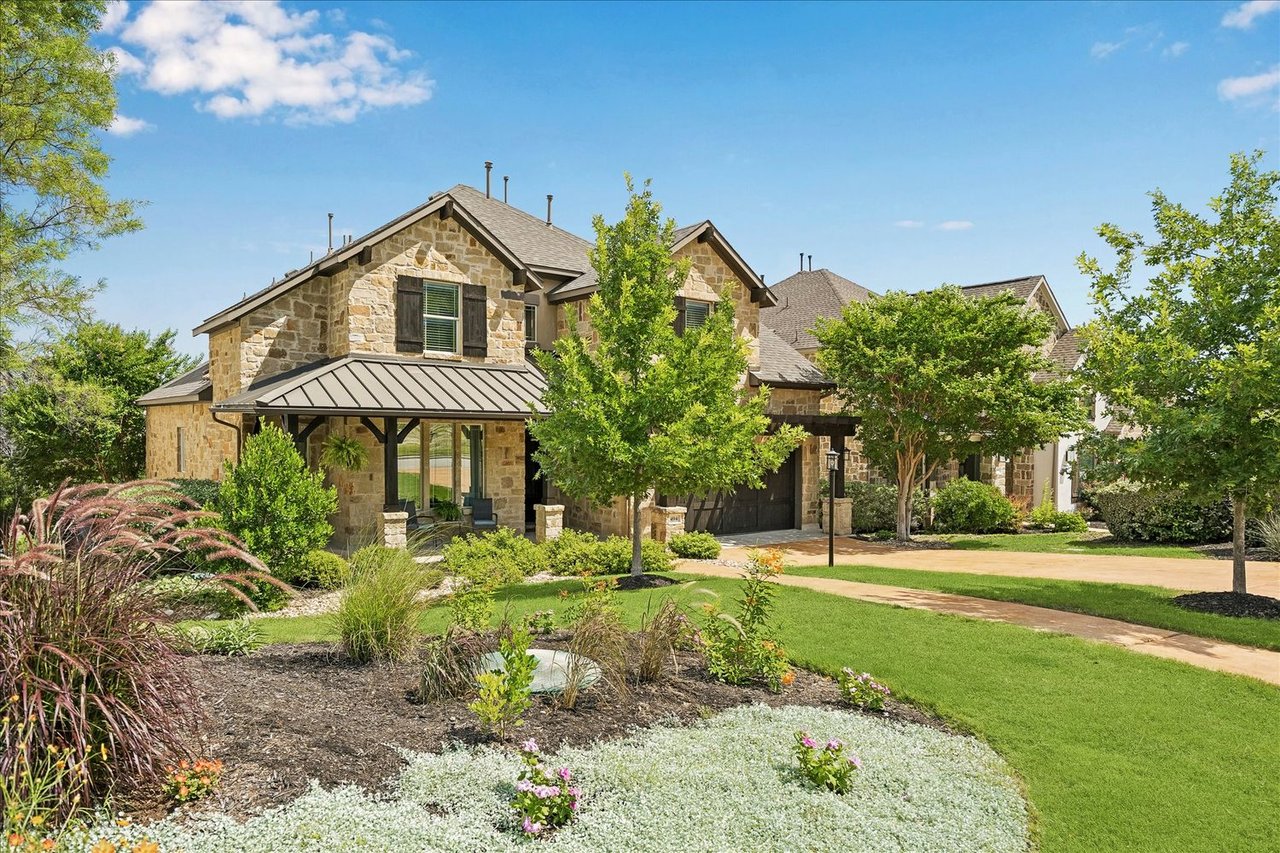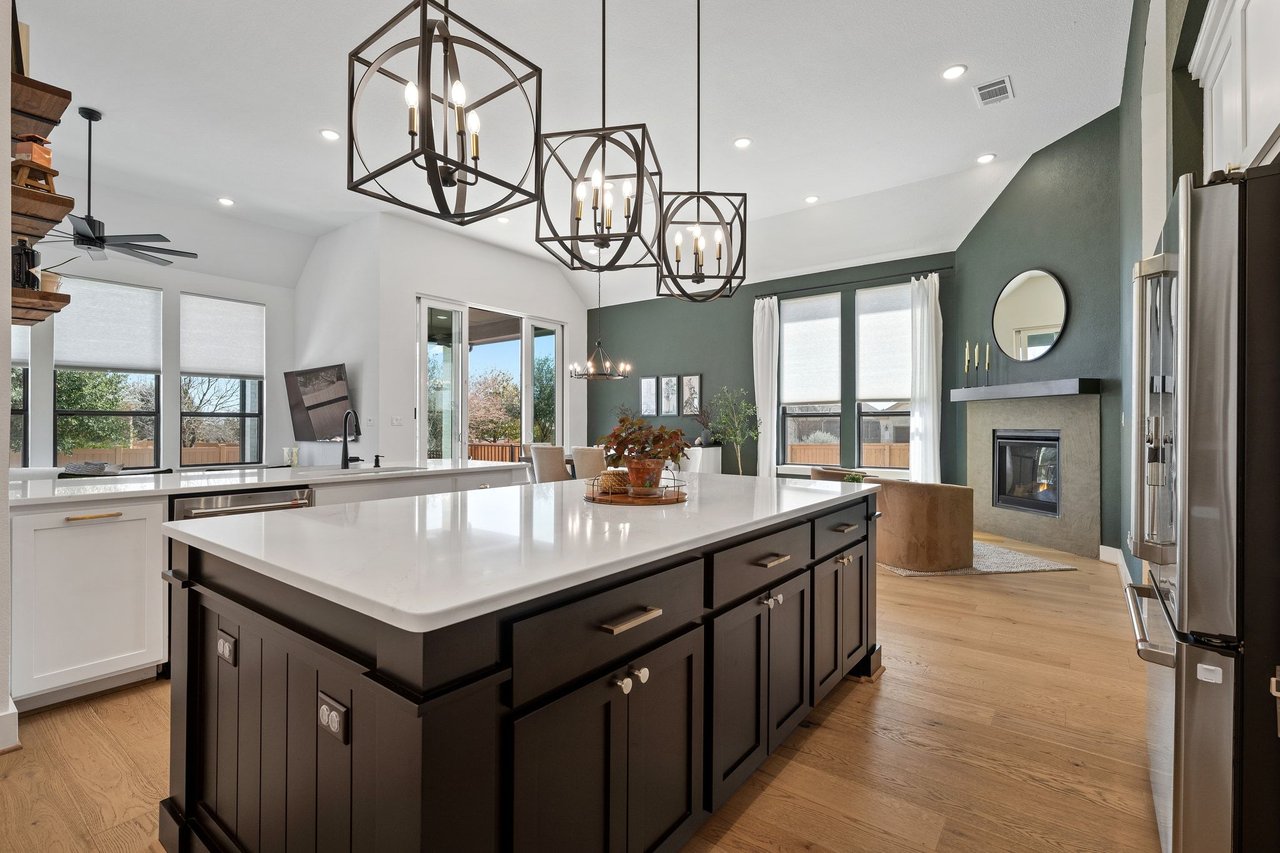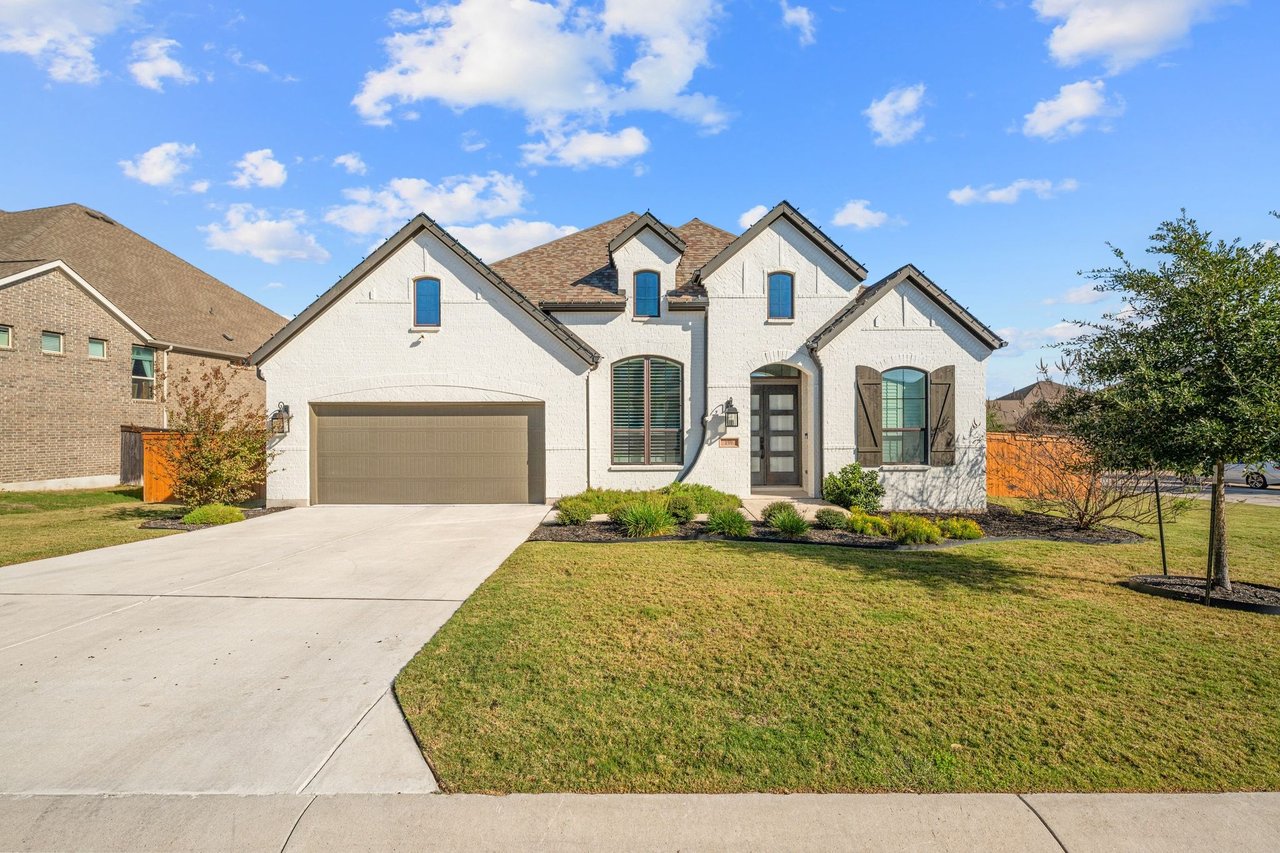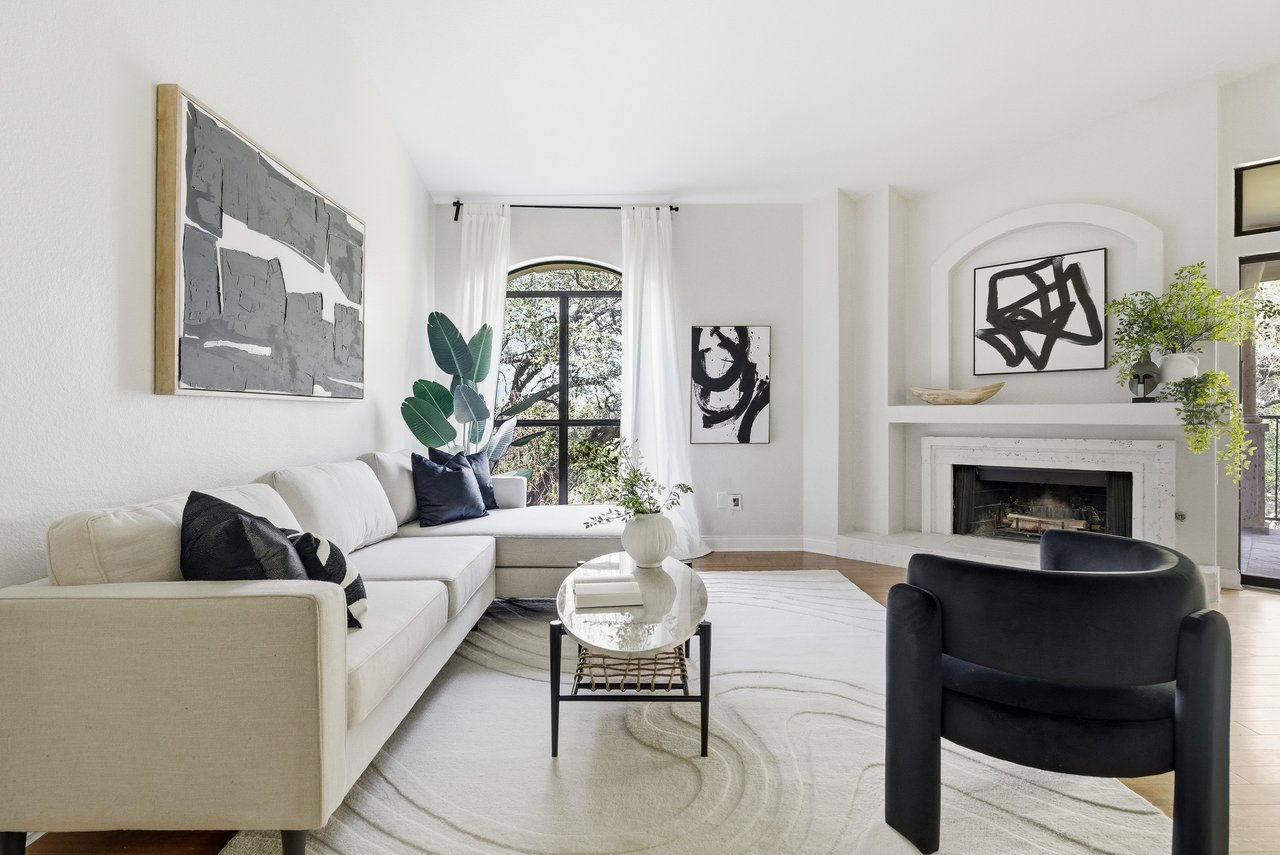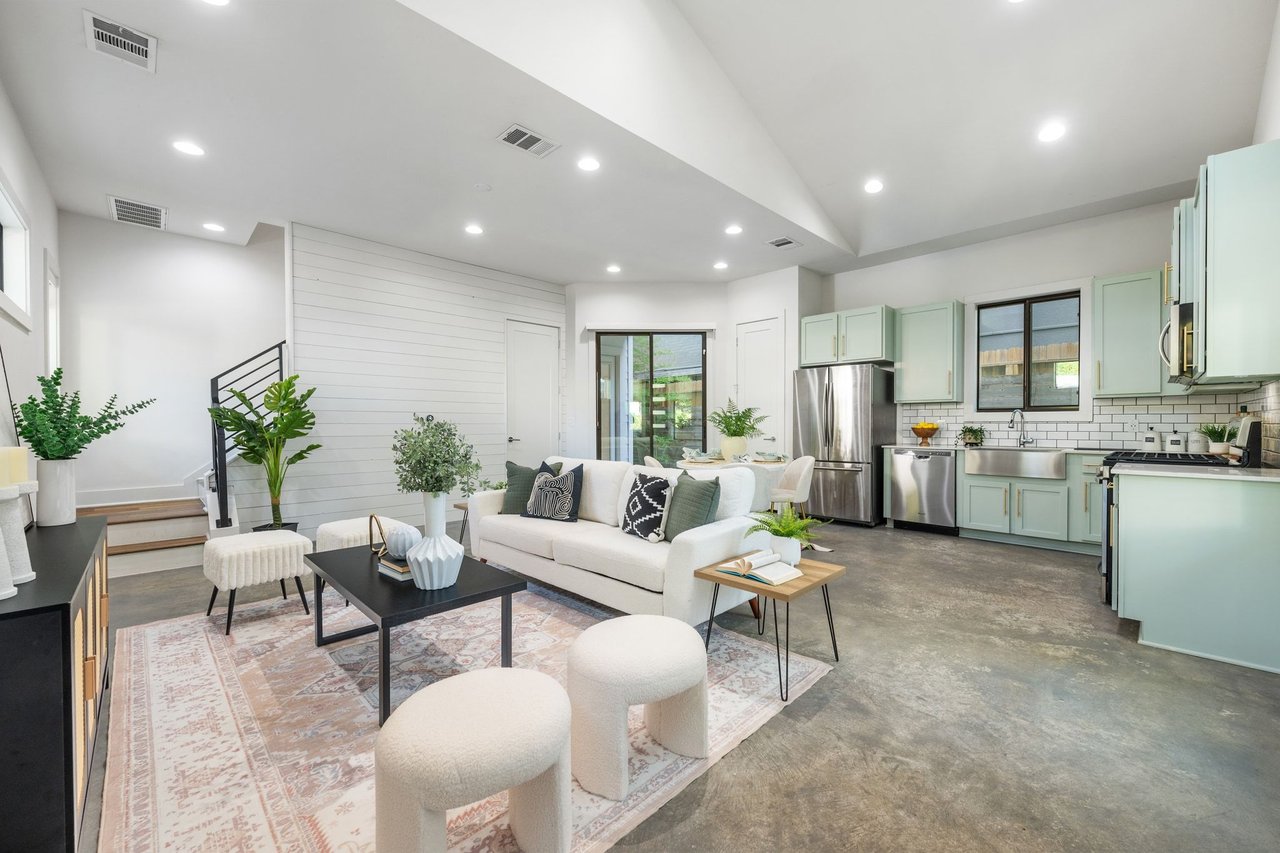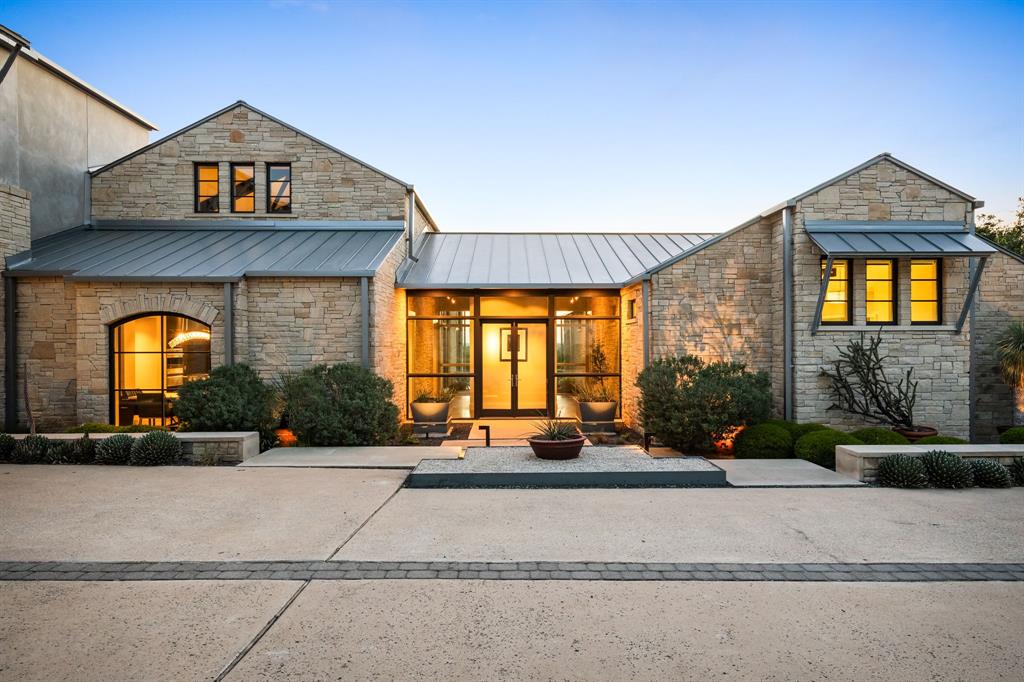
The model home may be beautiful, but understanding the contract, incentives, upgrades, and long term costs is just as important as choosing your floor plan.
If you are house hunting in Austin, chances are you have considered new construction.
From master planned communities in the suburbs to newer developments closer to the city, there are plenty of options for buyers who want a modern layout, updated finishes, and the opportunity to personalize their home.
There are some real advantages to buying new construction. You may have the ability to choose certain finishes, enjoy builder warranties, and move into a home with brand new systems and appliances.
But buying from a builder is a little different from purchasing an existing home.
The advertised price may not include every upgrade you want. Incentives may come with specific financing requirements. And the contract, construction timeline, and inspection process deserve careful attention.
If you are considering a new build in Austin or the surrounding areas, here are the things I would want you to understand before signing anything.
One of the biggest mistakes buyers can make is comparing builders based on the starting price alone.
A home advertised at $450,000 may look like a better deal than one starting at $475,000, but the details can change the comparison quickly.
One builder may include more standard finishes, while another charges extra for features you consider essential. Lot premiums, structural options, design upgrades, and other costs can also affect the final price.
Before deciding which builder offers the best value, I recommend comparing the homes based on what you actually want.
Look at the included features, the floor plan, the lot, the quality of the finishes, and the estimated total cost after upgrades.
It is also worth visiting several model homes rather than relying entirely on online photos. Pay attention to storage, natural light, room sizes, kitchen functionality, and how the layout feels in person.
A model home is designed to show the builder's product at its best, and some of the finishes or features you see may be optional upgrades. Ask which features are included in the base price and which would cost extra.
Builder incentives can be appealing, especially when you are trying to keep your upfront costs or monthly payment manageable.
Depending on the builder and community, incentives may include closing cost assistance, design credits, price reductions, or contributions toward a mortgage rate buydown.
However, the advertised incentive is not necessarily available in every situation.
Some promotions require you to use the builder's preferred lender or title company. Others may apply only to certain homes, floor plans, or closing dates.
Before choosing an incentive, compare the full numbers.
For example, a builder may offer a closing cost credit if you finance through its preferred lender. That could be worthwhile, but you should still compare the lender's interest rate, fees, and loan terms with other available options.
A lower monthly payment today does not automatically mean the financing is the best long term choice.
I would also ask whether the incentive is negotiable, whether it can be applied to upgrades or closing costs, and what happens if the construction timeline changes.
The best offer is the one that makes the most sense for your overall financial situation, not necessarily the one with the biggest advertised dollar amount.
Builder contracts can differ from the resale contracts buyers are familiar with, and the terms matter.
Before signing, make sure you understand the purchase price, deposit requirements, financing provisions, construction timeline, completion expectations, and the circumstances under which either party can terminate the agreement.
Pay particular attention to how the contract addresses delays. Construction schedules can change because of weather, permitting, material availability, or other factors. You will want to understand what the builder is obligated to do if the home is not completed when expected.
You should also review the provisions regarding upgrades, change orders, cancellations, and any deposits that may be nonrefundable.
If something is unclear, ask questions before signing. For legal interpretation or advice about contract terms, consult a qualified Texas real estate attorney.
I always want buyers to understand what they are agreeing to rather than feel pressured to sign simply because a builder is advertising a limited time promotion.
Yes, having your own representation can be helpful when buying new construction.
The sales representative at a builder's model home is there to represent the builder's interests. They can explain the builder's homes, available options, pricing, and community information, but they are not your independent buyer's representative.
Your own agent can help you compare builders, evaluate the available homes, understand the transaction process, review pricing and incentives, and coordinate questions as you move toward closing.
An agent familiar with the Austin market may also help you compare the builder's community with nearby resale homes or other new construction developments.
One important detail: ask about representation before your first visit to a builder's sales office. Builders may have specific registration requirements, and waiting until later can affect whether they will recognize your agent's involvement.
Compensation arrangements vary, so discuss how your representation will be handled before moving forward.
A brand new home can still have construction issues.
New construction involves many stages of work, and not every detail will necessarily be completed perfectly the first time. An independent inspection can help identify concerns that need attention before you take ownership.
Depending on the construction schedule and what your inspector recommends, buyers may consider inspections at several stages:
Pre drywall inspection: This takes place before the drywall is installed, when certain framing, electrical, plumbing, and other components may be more visible.
Final inspection: This takes place when the home is substantially complete and helps identify visible issues, incomplete work, or items that may need correction.
Follow up inspection: If significant issues were identified or repairs were completed, a follow up may help verify the work.
The exact timing depends on the builder's schedule and access policies, so coordinate inspections in advance.
Texas has standards governing licensed home inspectors, and the Texas Real Estate Commission provides information about inspection requirements and practices.
New construction often includes a builder warranty, but the terms vary.
Before signing, ask for the actual warranty documentation and review what is covered, how long coverage lasts, and what exclusions apply.
You will want to understand the process for reporting issues, the deadlines for submitting warranty claims, and whether particular components are covered by separate manufacturer warranties.
Ask questions such as:
What does the builder warranty cover?
How long does coverage last for different components?
How do I submit a warranty request after closing?
What happens if an issue is discovered after I move in?
Are appliances and mechanical systems covered separately?
Is there a scheduled warranty walkthrough?
Keep copies of your contract, inspection reports, warranty documents, and any written communications about repairs.
Once you move in, document concerns promptly and follow the builder's process for submitting warranty requests.
When buying a new construction home, it is easy to focus on the house itself. But the lot and surrounding development can have just as much impact on your experience.
Consider the orientation of the home, backyard privacy, nearby roads, drainage, and what may eventually be built on surrounding land.
A lot that backs up to an open field may seem especially appealing, but it is worth asking whether that land is privately owned, designated for future development, or subject to any known plans.
Similarly, a home near a community entrance may offer convenient access but experience more traffic than a property farther inside the neighborhood.
If privacy, outdoor space, or quiet surroundings are important to you, make those priorities part of your lot selection process.
I would also ask about the community's planned amenities, future phases, HOA requirements, and anticipated development schedule. The neighborhood you see today may look different a few years from now.
Property taxes are an important consideration when buying new construction around Austin.
Some newer communities have special taxing districts, including Municipal Utility Districts, commonly called MUDs. Depending on the property, there may also be a Public Improvement District assessment.
These can affect your overall housing costs, so do not rely solely on the builder's advertised monthly payment.
New homes can also have limited property tax history because the completed structure may not yet be reflected in the available records.
Ask for the applicable tax information for the property, confirm whether any special districts apply, and have your lender explain how taxes are being estimated in your payment calculation.
For a deeper explanation, read Moving to Austin? What to Know About Property Taxes, MUDs and PIDs Before You Buy.
New construction is not automatically the better choice, just as an existing home is not automatically the better value.
The right option depends on your priorities, budget, preferred location, and timeline.
A new home may offer modern finishes, a builder warranty, and the ability to select certain features. An existing home may offer mature landscaping, an established neighborhood, a larger lot, or a location closer to your preferred destinations.
You should also consider the timeline. A completed inventory home may be available relatively quickly, while a home that has not yet been built may require a longer wait.
If you need to sell your current home before moving, that timeline becomes especially important. You will want to understand how the builder's closing schedule fits with your sale, financing, and temporary housing needs. Read my blog post "Should You Sell Before Buying Your Next Home in Austin?".
Comparing both options gives you a clearer picture of what your money can buy and which tradeoffs are worth making.
Buying new construction in Austin can be a great way to find a home that fits your preferences, but it is worth looking beyond the model home and advertised price.
Understanding the contract, comparing incentives, evaluating the lot, arranging independent inspections, and accounting for property taxes can help you make a more informed decision.
My goal is to help buyers look at the full picture, ask the right questions, and feel confident about the home they choose.
If you are considering new construction in Austin or the surrounding suburbs, I would love to help you compare your options and navigate the process.
Madison Swanson
Luxury Real Estate Advisor, Compass
@buyingwithmadison
Related Articles
How Much House Can I Afford in Austin?
Should You Sell Before Buying Your Next Home in Austin?
Moving to Austin? How to Choose the Right Neighborhood For Your Lifestyle