If you're thinking about moving to Austin, one of the first questions you're probably asking is:
How much does it actually cost to live there?
You can find plenty of cost of living calculators online, but they don't always tell you what you really want to know.
What does housing actually cost?
How much should you budget for property taxes?
Is Austin still affordable compared to other major cities?
How much will you spend on transportation?
And how different is the cost of living if you live in central Austin versus one of the surrounding communities?
The truth is, there isn't one number that tells you what it costs to live in Austin.
Your lifestyle, neighborhood, housing choice, commute, and spending habits can make a huge difference.
As someone who works with people relocating to Austin, I always encourage clients to look at the bigger picture before deciding what they can comfortably spend on a home.
Here's what I would consider if you're thinking about making Austin your new home.
Austin isn't the inexpensive Texas city that some people may have in mind.
Housing is usually the biggest expense, and the cost can vary dramatically depending on where you live. Current housing data shows a median listing price around $549,000 in Austin, while median sale prices and typical home values vary depending on the source and type of property being measured.
But here's the important part:
You don't have to spend $500,000 or more to live in the Austin area.
There are homes and communities at a wide range of price points, especially once you start looking beyond the most central neighborhoods.
On the other hand, if you want a home in some of Austin's most established central neighborhoods, your budget may need to be considerably higher.
That's why I don't recommend looking at an "average Austin home price" and assuming that's what you'll need to spend.
Where you want to live matters.
Whether you're renting or buying, housing is likely to be the largest part of your monthly budget.
For renters, current sources show Austin apartment rents varying considerably by unit size and methodology. Apartment List reported a median rent of $1,328 across all apartment sizes in August 2026, while Zillow's August data showed an average rent of $1,586.
That difference is a good example of why I wouldn't tell someone, "Rent in Austin is $X."
Your actual rent will depend on the neighborhood, size, age, amenities, and type of property you're renting.
Buying is even more variable.
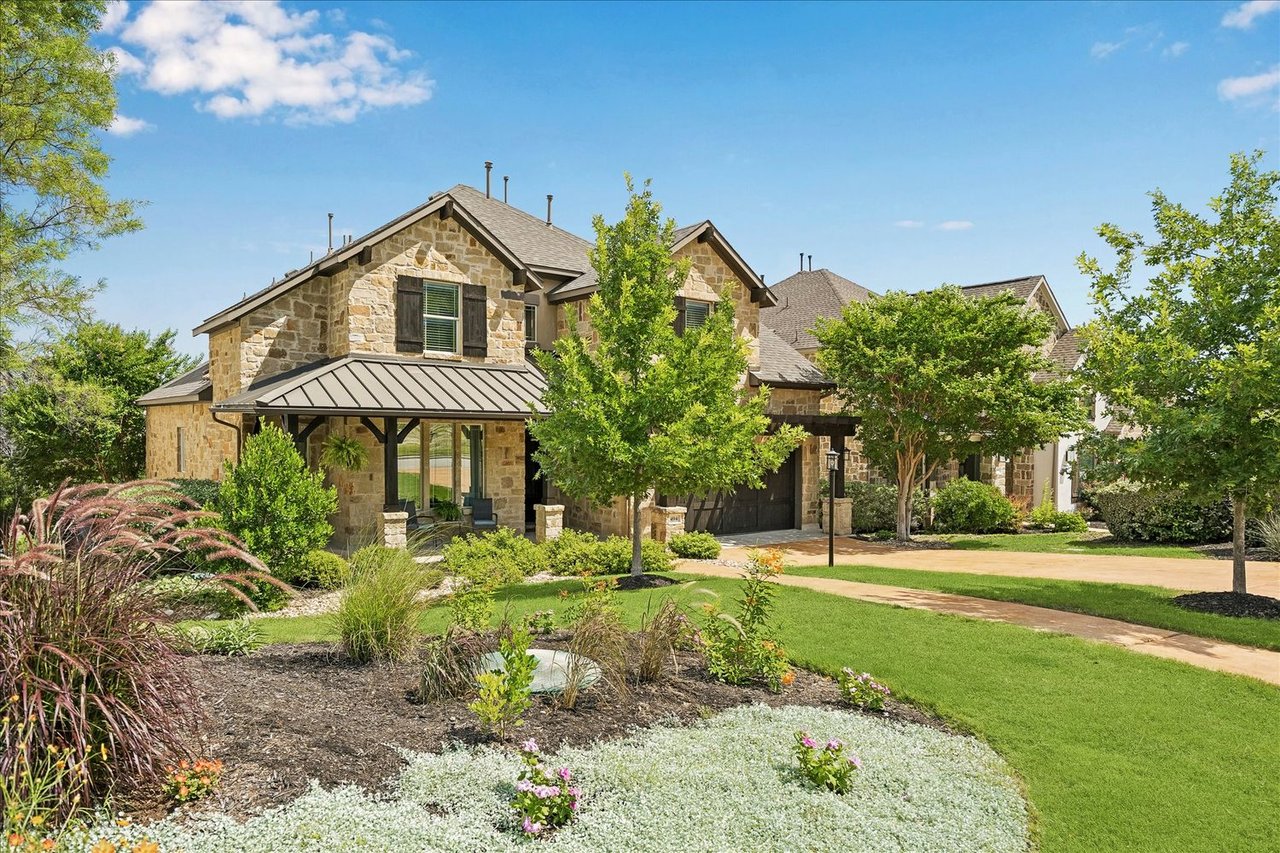
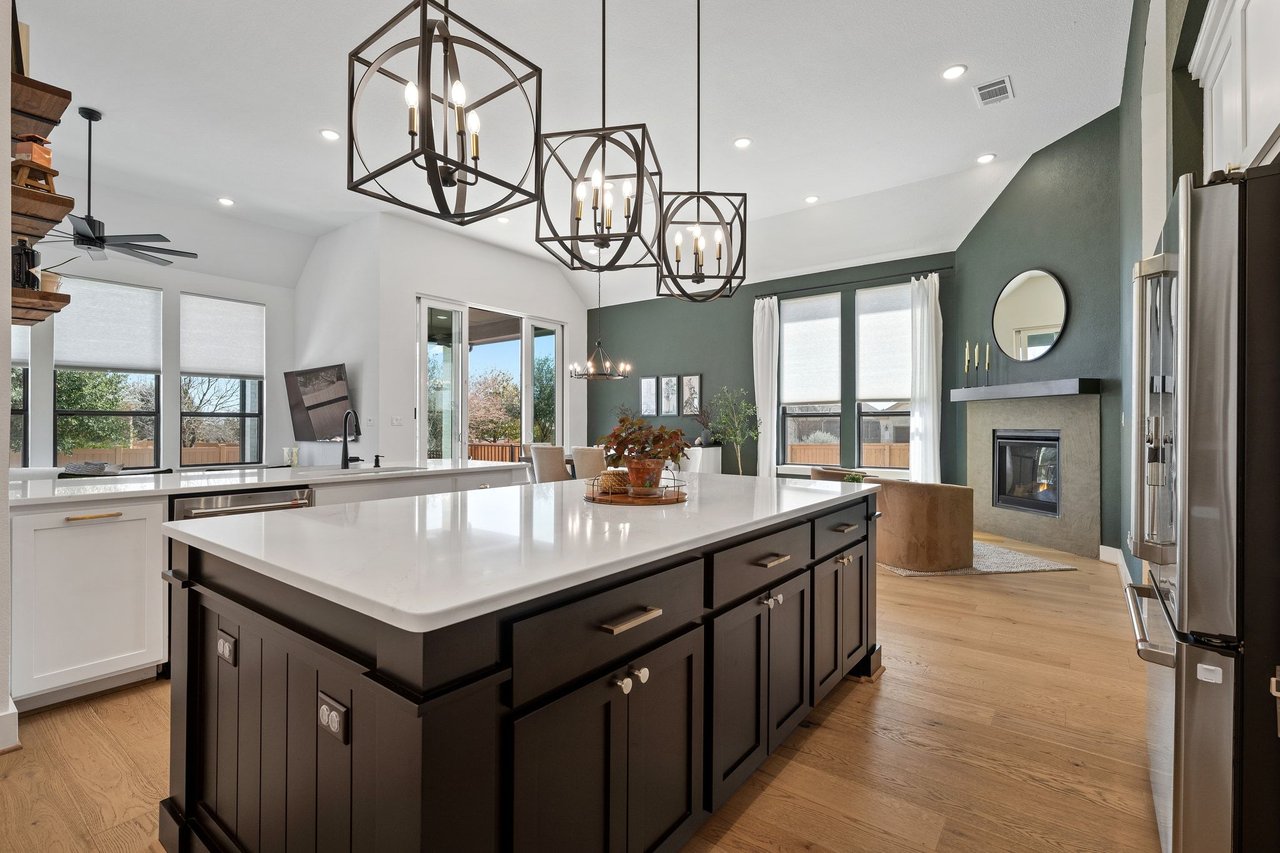
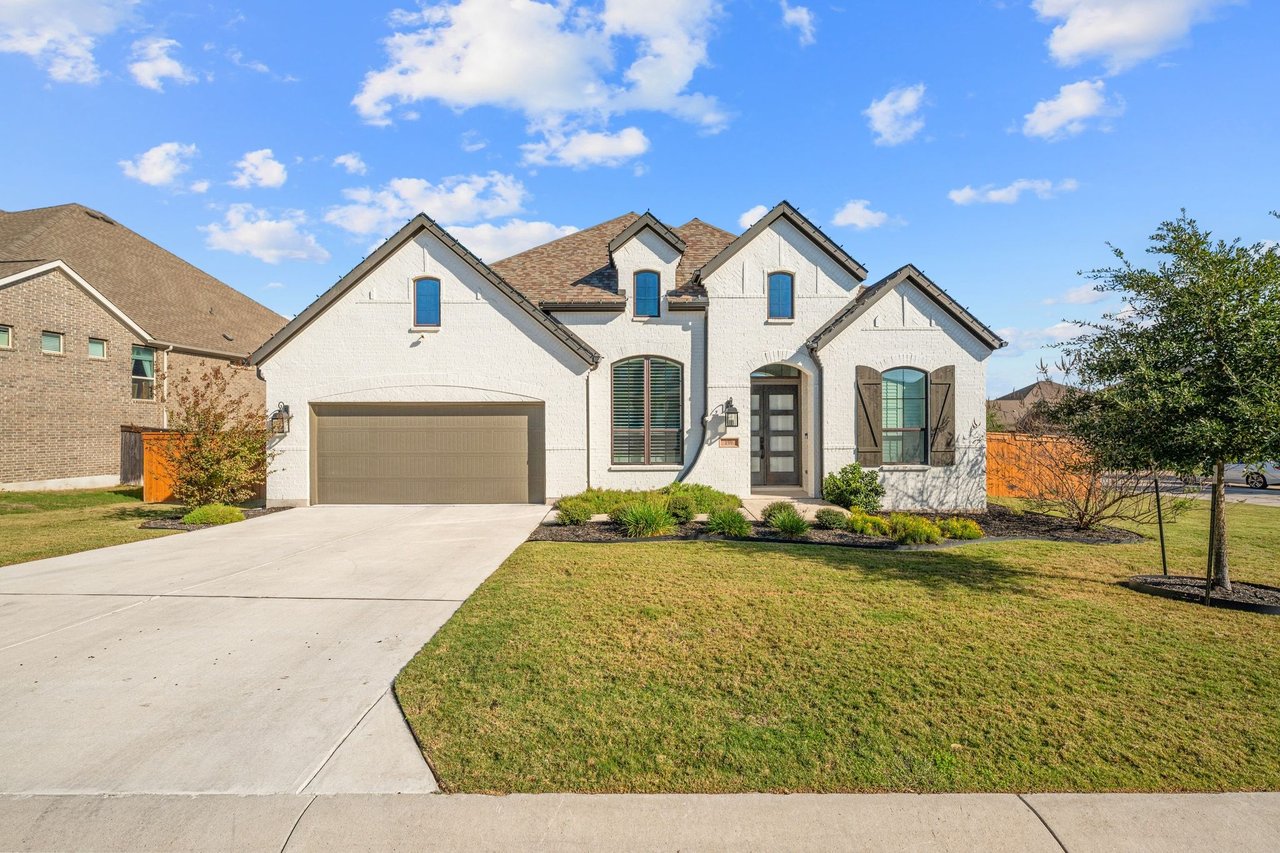
A condo downtown, a bungalow in South Austin, a newer home in a suburban community, and a larger home in West Austin can all have dramatically different prices.
If you're relocating and trying to determine your budget, I'd start by deciding what type of lifestyle you want and then look at what housing costs in those areas.
If you're planning to buy, it's important to look at more than the purchase price.
As of August 2026, Realtor.com reported a median Austin listing price of $549,000 and a median sold price of $502,500. Zillow reported a typical Austin home value of $497,418.
Those numbers are useful for understanding the overall market, but they don't tell you what your specific budget will look like.
For example, your purchasing power may be very different if you're looking for:
A downtown condo
An older home in South Austin
A larger home in West Austin
A newer home in North Austin
A home in a surrounding community
A property with acreage
This is why I always encourage relocation buyers to start with their priorities rather than simply searching "Austin homes under $500,000."
You may find that a nearby community gives you much more of what you're looking for.
This is one of the biggest expenses that surprises people moving to Texas.
Texas does not have a state individual income tax, but homeowners pay property taxes through several local taxing entities.
And the amount you pay depends on where the property is located and its taxable value.
For example, the City of Austin's approved 2026 to 2027 property tax rate is $0.579948 per $100 of taxable value. That's just the City of Austin portion, not your total property tax bill.
Your total bill can also include county, school district, community college, health district, and other taxing entities.
This is why I never want a buyer to look at a mortgage payment in isolation.
When you're comparing homes, you want to understand the full monthly cost of ownership.
If you're buying a primary residence in Texas, make sure you understand the homestead exemption.
It can reduce the taxable value of your home and therefore reduce your property tax bill.
The details and eligibility requirements can change, so I always recommend checking with the appropriate county appraisal district and discussing the numbers with your lender or tax professional.
And remember that property taxes can differ significantly between properties, even when two homes have similar purchase prices.
That's another reason not to compare homes based only on the list price.
Insurance is another expense you'll want to factor into your budget.
Your premium can depend on the home's location, age, construction, roof, coverage, deductible, claims history, and a number of other factors.
Two homes that cost the same amount can have different insurance costs.
Before you purchase, I recommend getting an insurance quote for the specific property you're considering.
It's much better to know that number before you fall in love with a house.
Austin's hot summers mean air conditioning is a major part of life here.
Your utility costs will depend on the size and age of your home, insulation, windows, HVAC system, pool, and how heavily you use your air conditioning.
A newer, energy efficient home may have very different utility costs from a large older home.
If you're touring homes, I also think it's completely reasonable to ask the seller about average utility bills.
It's one of those little details that can help you understand what it will actually cost to live in the house.
Austin is not a city where everyone can easily live without a car.
There are areas where you can walk or bike to restaurants, coffee shops, parks, and other amenities, but many people still rely on a car for work, errands, and everyday life.
That means your transportation costs can vary significantly depending on where you live.
If you're commuting across town every day, you'll spend more on gas, maintenance, and potentially tolls than someone who works from home or lives close to work.
This is one reason I talk about commute before neighborhood with relocation clients.
A cheaper home isn't necessarily cheaper if you're spending hours commuting every week.
This is something I think gets overlooked in most Austin cost of living guides.
Your neighborhood affects much more than your mortgage or rent.
It can affect how much you drive, where you eat, how often you go downtown, whether you need a gym membership, how much time you spend commuting, and how often you're able to walk or bike instead of getting in the car.
For example, living closer to the center of Austin may mean paying more for housing but spending less time and money driving.
Living farther out may give you more space for your money but could mean a longer commute.
There isn't necessarily a right answer.
It depends on what you value.
I wrote about this in Moving to Austin? How to Choose the Right Neighborhood for Your Lifestyle, because I think your neighborhood should be chosen based on how you actually want to live.
Everyday expenses like groceries aren't necessarily what people think about first when they consider moving to Austin, but they add up.
You have plenty of options at different price points, from grocery chains and warehouse stores to local markets and specialty shops.
And if you enjoy going out to eat, Austin gives you plenty of opportunities to spend your money.
That's one of the fun parts of living here.
But if you're creating a relocation budget, be realistic about your habits.
Someone who cooks most meals at home will have a very different monthly budget from someone who eats out several times a week.
This is one of the biggest things I tell relocation clients.
When people say they're moving to Austin, they don't always mean they want to live within Austin city limits.
The greater Austin area includes communities like:
Round Rock
Cedar Park
Pflugerville
Buda
Kyle
Georgetown
Bee Cave
Lakeway
Dripping Springs
Each community has its own housing market, commute patterns, amenities, and overall feel.
And sometimes moving just outside Austin can significantly change what your housing budget gets you.
If you're relocating here, don't automatically limit your search to an Austin address.
This is one of the most useful questions you can ask.
The answer is: it depends.
A $500,000 budget could look very different depending on where you're searching.
In one part of the Austin area, you may find a newer home with more square footage.
In another, you may be looking at an older home in a more central location.
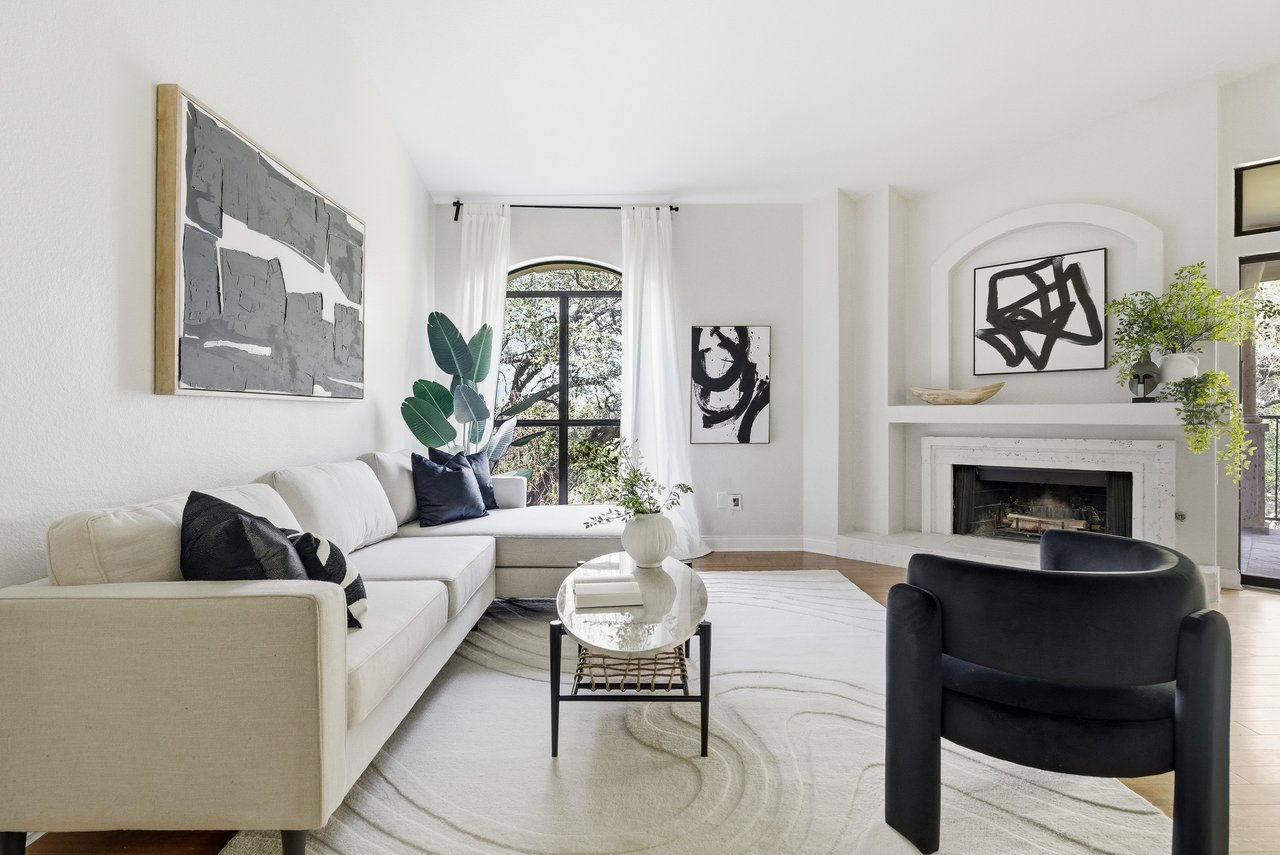
You might also find condos or townhomes that offer a different lifestyle at that price point.
That's why I like to have relocation clients tell me what matters most before we start looking.
Do you care more about location?
Space?
Outdoor living?
A newer home?
Walkability?
A shorter commute?
Once we know that, we can figure out where your budget makes the most sense.
I think this is the wrong question to ask without some context.
Compared with some major coastal cities, Austin can still look relatively affordable.
Compared with other parts of Texas, Austin can feel expensive.
Both statements can be true.
What matters is how Austin compares with the place you're moving from and what kind of lifestyle you're expecting once you get here.
If you're moving from New York or California, for example, your perspective on Austin housing may be very different from someone moving here from a smaller Texas city.
That's why I don't think a single cost of living ranking tells the whole story.
This is another question I hear frequently.
There isn't a universal salary that guarantees you'll live comfortably in Austin.
A single person renting an apartment downtown has a very different budget from a couple buying a home in the suburbs.
Your housing costs, debt, transportation, lifestyle, savings goals, and family situation all matter.
Instead of asking, "What salary do I need to live in Austin?" I recommend working backward from your actual budget.
Start with the monthly housing payment you're comfortable with.
Then add property taxes, insurance, utilities, transportation, food, entertainment, savings, and other expenses.
That will give you a much more realistic picture of what Austin will cost for you.
This is a common question from people relocating to Texas.
Housing costs can vary significantly between the two metros, and your experience will depend heavily on the neighborhood and type of home you're comparing.
If you're deciding between the two, I recently wrote Austin vs. Dallas: Which Texas City Is Right for You?, where I compare the two cities based on housing, commute, lifestyle, jobs, outdoor access, and other factors.
The important thing is to compare similar lifestyles rather than simply comparing citywide averages.
If you're planning a move here, I would think beyond the first month's rent or your down payment.
Give yourself room for:
Moving expenses
Temporary housing if needed
Utility deposits and setup
New furniture or household items
Home repairs
Insurance
Property taxes
Closing costs if you're buying
Transportation
And the little expenses that inevitably come with moving to a new city.
Having some extra cash available can make the transition much less stressful.
So, how much does it cost to live in Austin?
The honest answer is that it depends on how you want to live.
Housing will probably be your biggest expense, but the neighborhood you choose can have a major impact on everything from your commute to your daily spending.
If you're buying, don't forget about property taxes, insurance, maintenance, and utilities.
If you're renting, look beyond the advertised rent and consider parking, utilities, deposits, and transportation.
And if you're relocating from another city or state, don't assume you need to replicate the exact lifestyle you had before.
Austin has a lot of different ways to live.
My job as a relocation Realtor isn't just to send you homes that fit your price range. It's to help you understand how different areas of Austin and the surrounding communities fit into your budget and your everyday life.
If you're considering a move to Austin and aren't sure where to start, I'm always happy to be a resource.
Madison Swanson
Luxury Real Estate Advisor, Compass
@buyingwithmadison
Is Austin, Texas a Good Place to Live?
Austin vs. Dallas: Which Texas City Is Right for You?
Moving to Austin: A Complete Relocation Guide
Moving to Austin? How to Choose the Right Neighborhood for Your Lifestyle
Is Now a Good Time to Buy in Austin?