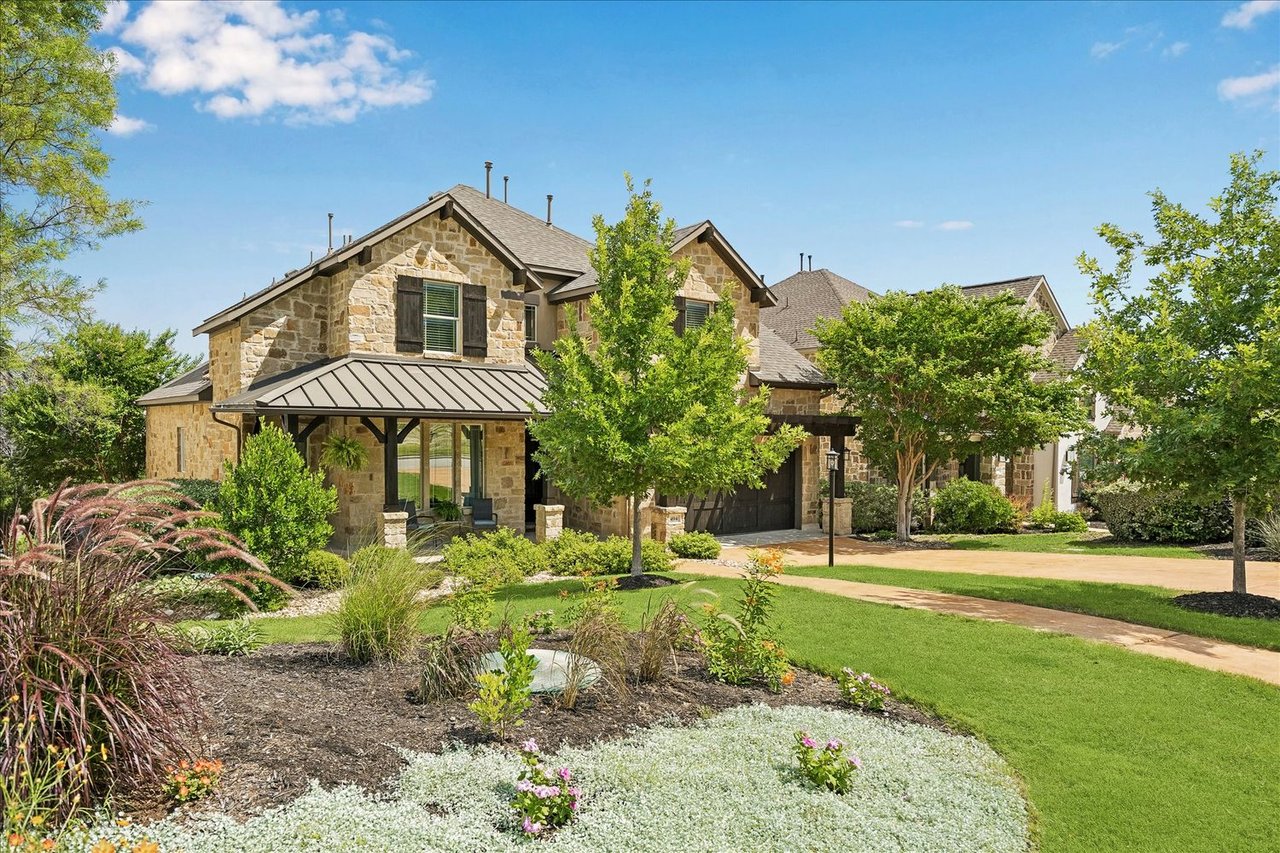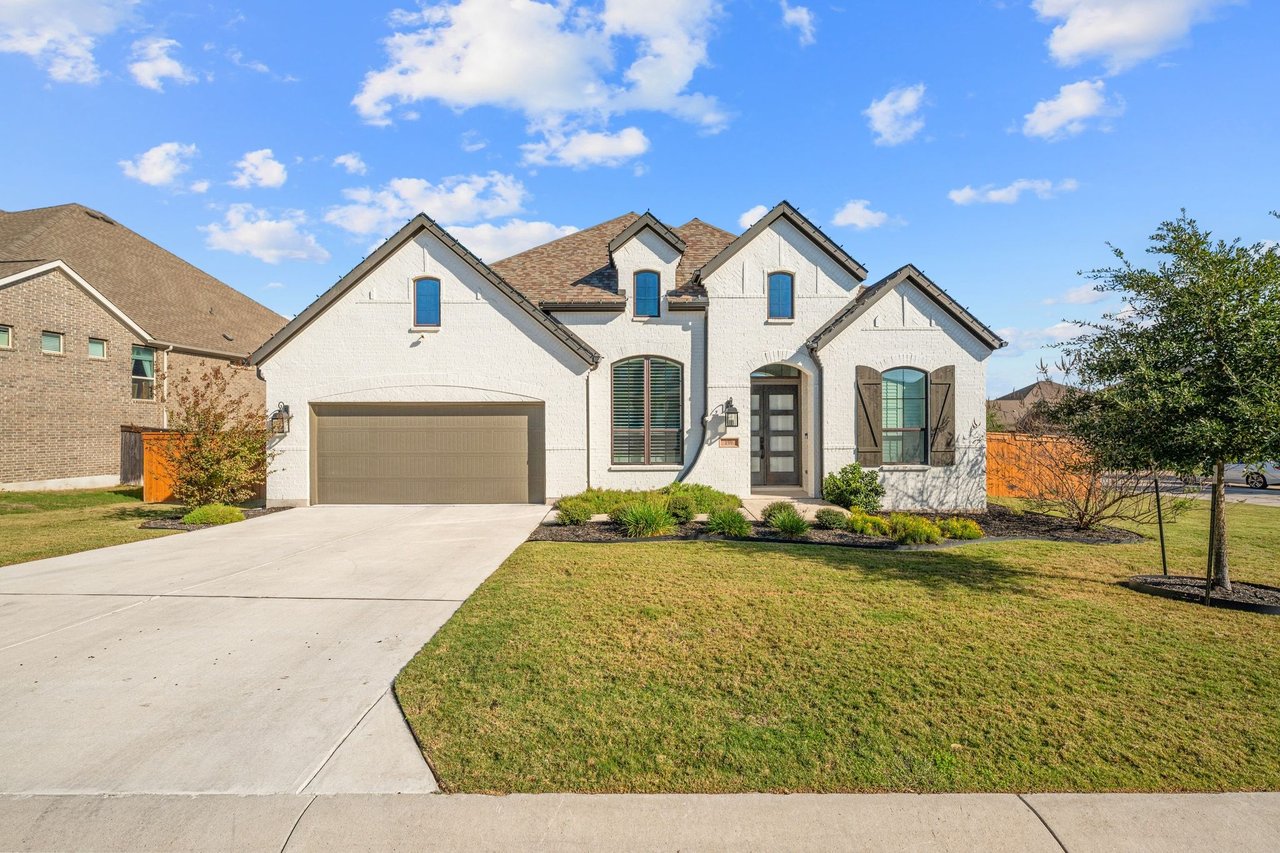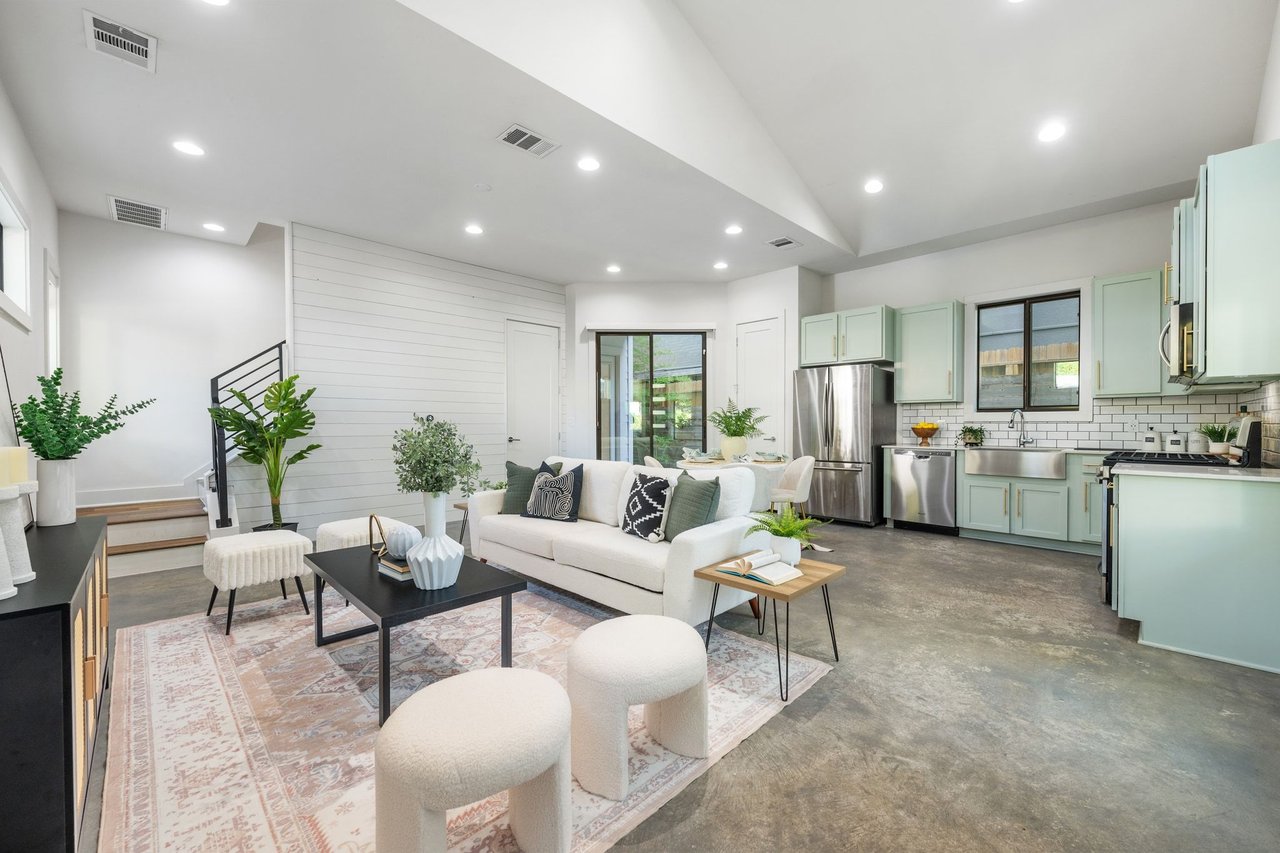
Pricing your home is about more than choosing a number. It is about understanding what buyers are willing to pay and positioning your property to stand out.
If you are thinking about selling your home in Austin, one of the first questions you probably have is, “What should we list it for?”
It is an important question, and the answer can have a major impact on your entire selling experience. Price too high, and you risk sitting on the market while buyers pass you by. Price too low without a clear strategy, and you could leave money on the table.
The tricky part is that your home's value is not necessarily what you paid for it, what you have invested in renovations, or what your neighbor's house sold for two years ago.
So, how do you determine the right asking price for your home? Let's walk through what I look at when helping sellers prepare for the market.
One of the most important steps in pricing a home is looking at comparable properties, often called comps.
These are homes that have recently sold and share similar characteristics with yours. Ideally, they are in the same neighborhood or a nearby area with a similar location, property type, and buyer pool.
When reviewing comparable sales, I look at several factors:
Location and neighborhood appeal
Square footage, layout, and number of bedrooms and bathrooms
Lot size, privacy, and outdoor space
Age, condition, and quality of updates
Recent sale prices and how long those homes took to sell
For example, if you own a home in South Austin, a sale across town may not tell us much about what a buyer will pay for your property. Even within the same neighborhood, a renovated home on a quiet street may attract a different buyer than a home needing significant updates.
The goal is to find the most relevant comparisons and adjust for the differences that matter.
Recent sales tell us what buyers have been willing to pay. Active listings tell us what buyers can choose from right now.
This distinction matters because buyers are comparing your home with everything else that fits their budget and preferences.
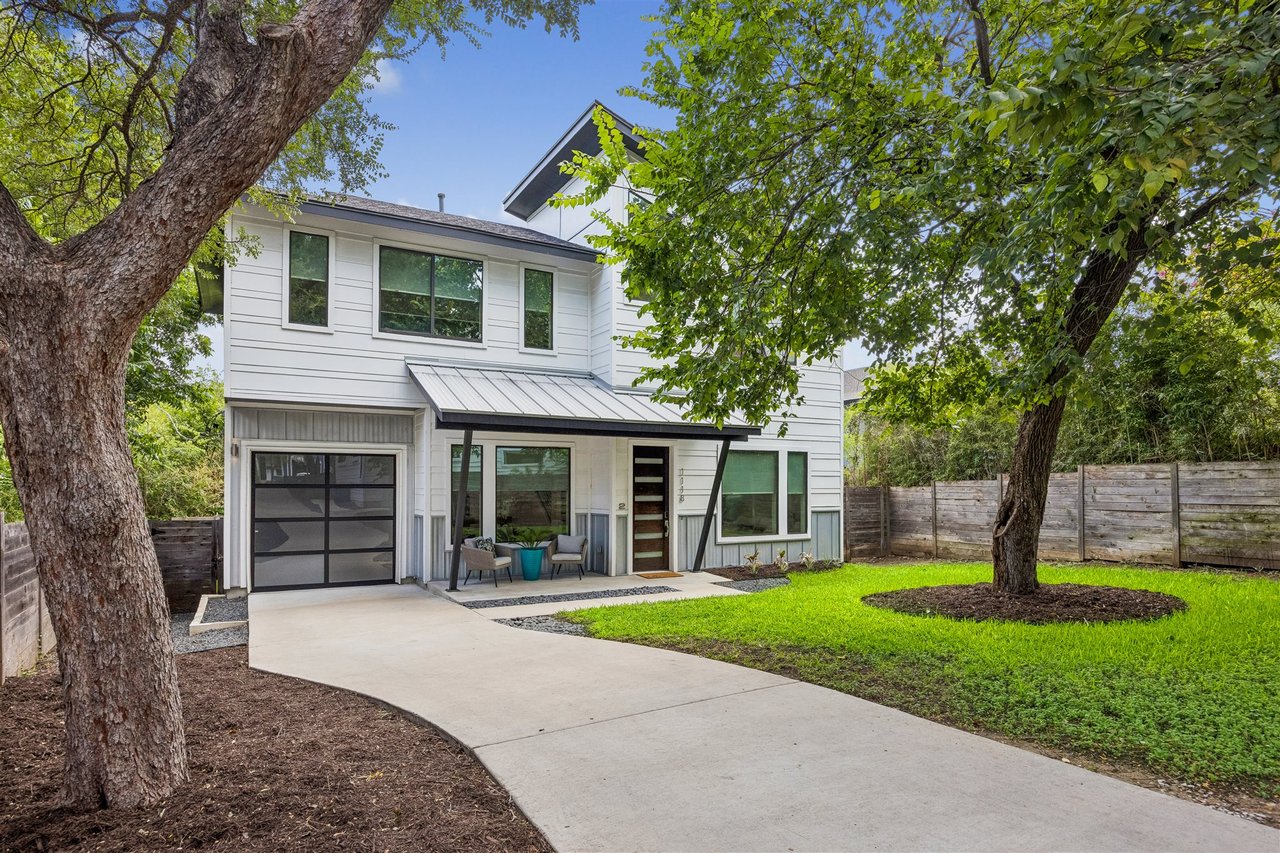
If several similar homes are available nearby, we need to understand what makes yours stand out. Maybe your home has a better floor plan, a more private backyard, a renovated kitchen, or a location that buyers value. On the other hand, another property may have newer finishes or a more competitive asking price.
I also look at homes that are under contract when that information is available. Pending listings can offer clues about current buyer activity, although their final sale prices may not be public yet.
Your asking price needs to make sense in the context of the choices buyers have today, not just what the market looked like when your neighbor sold.
Real estate markets are constantly changing, and Austin is no exception.
Interest rates, available inventory, buyer confidence, and the time of year can all influence demand. A home that attracted multiple offers in one market may need a different pricing strategy in another.
In a market where buyers have more options, they may take longer to make a decision, negotiate more aggressively, or move on if a property feels overpriced.
That does not mean every home needs to be priced below market value. It means we need to be realistic about the current competition and understand how buyers are responding to similar properties.
I also pay attention to the price range your home falls into. A home priced at $500,000 may compete with a very different set of properties than one priced at $1.2 million. Market conditions can vary considerably between price points, neighborhoods, and property types.
This is one of the most common questions I hear from homeowners preparing to sell.
The short answer is that improvements can help, but you may not get back every dollar you spend.
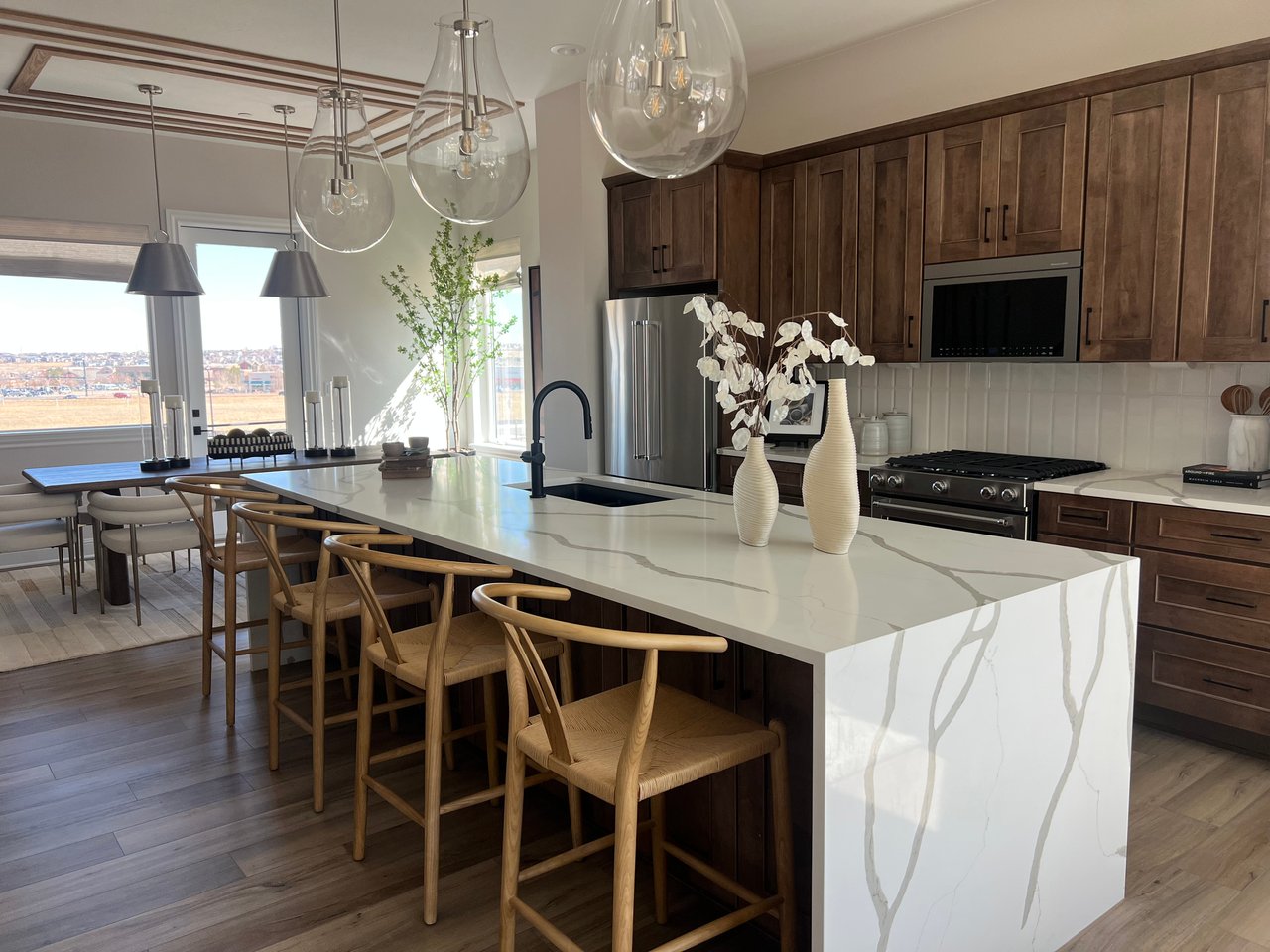
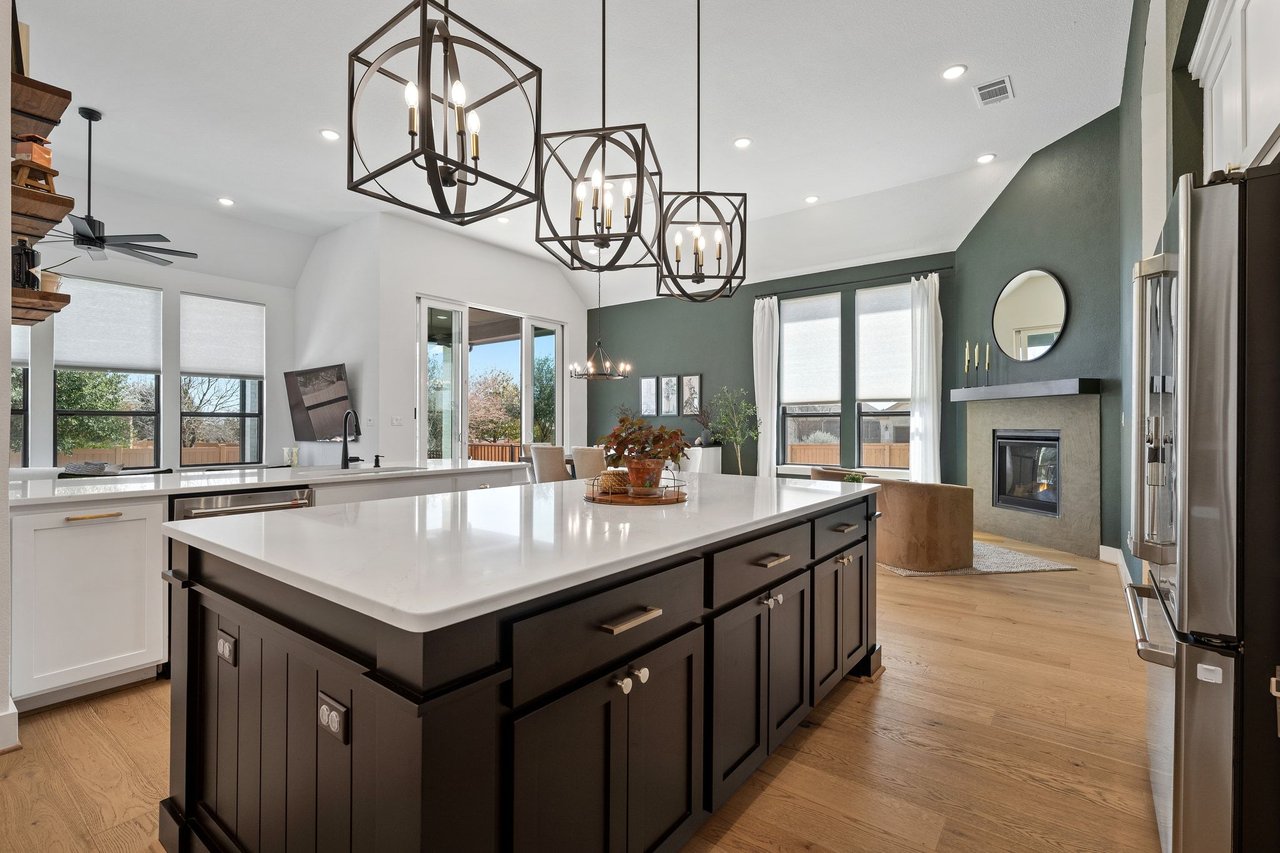
A renovated kitchen, updated bathrooms, fresh paint, and well maintained landscaping can make your home more appealing to buyers. However, the value of those improvements depends on the property, the quality of the work, and what buyers expect in your price range.
Before investing in major renovations, I recommend looking at your home's current condition alongside comparable properties. Sometimes a few targeted updates can make a meaningful difference. Other times, an expensive renovation may not be necessary to achieve a successful sale.
The goal is not to make your home the most expensive version of itself. It is to prepare it in a way that makes sense for the market and your selling goals.
For a deeper dive on renovations, read my blog "Is It Better To Renovate Or Sell Your Austin Home As Is?".
Pricing and presentation work together.
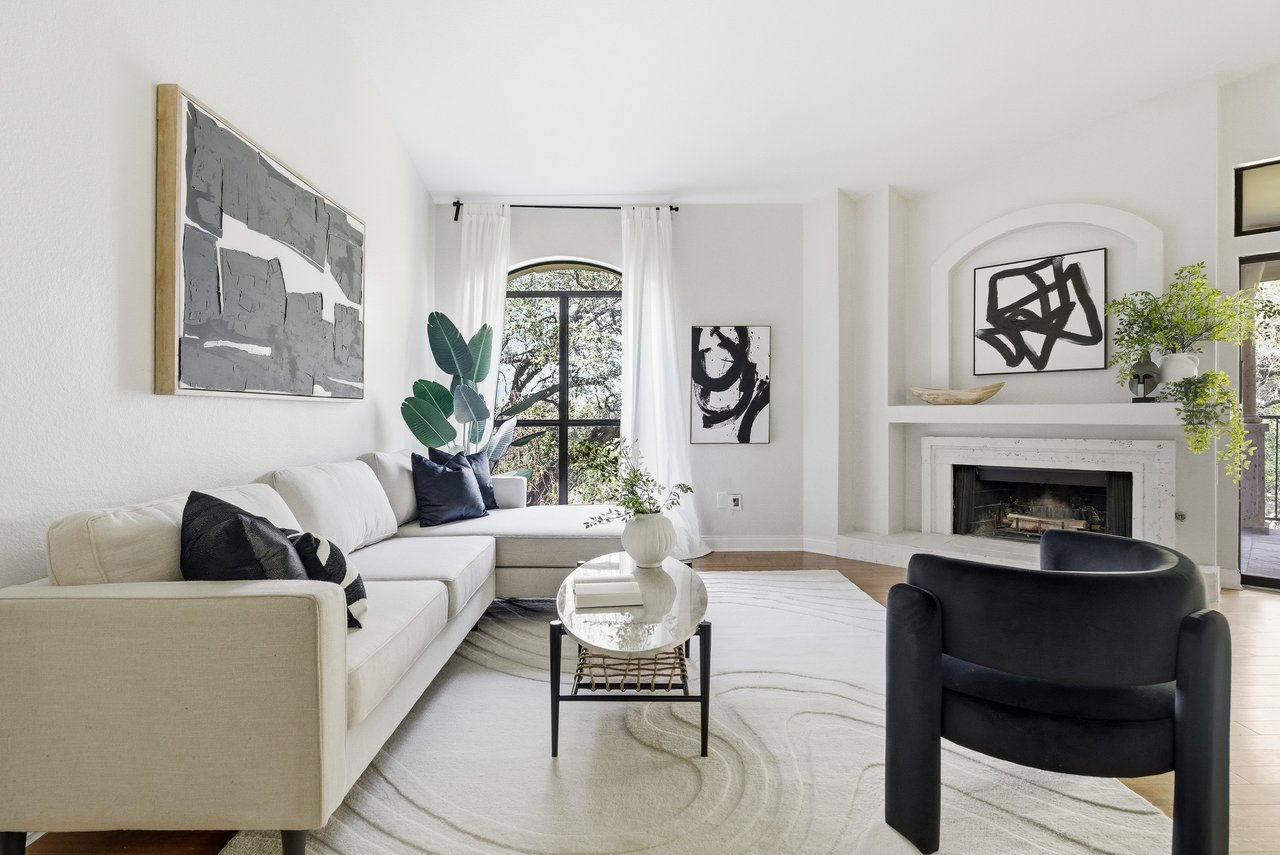
Even a well priced home can struggle if buyers have difficulty seeing its potential. On the other hand, a home that is clean, well prepared, and professionally marketed can make a stronger first impression.
Before listing, I help sellers evaluate where their money and time will have the greatest impact. That might include decluttering, touch up paint, landscaping, staging recommendations, or addressing small maintenance items.
Professional photography and a thoughtful marketing plan are also important. Your online listing is often a buyer's first introduction to your home, so the presentation needs to make them want to see it in person.
If you are preparing to sell, my guide to 7 Things Austin Sellers Should Do Before Listing Their Home is a helpful place to start.
It can be tempting to list above your expected sale price with the idea that buyers will negotiate you down.
The challenge is that buyers may never make an offer if the asking price feels too high compared with other available homes.
Overpricing can mean fewer showings, less early interest, and a longer time on the market. If a price reduction becomes necessary later, some buyers may wonder whether something is wrong with the property, even when the real issue is simply the original price.
That does not mean you should automatically accept the first offer or give your home away. A strong pricing strategy considers your goals, the competition, and the type of interest we expect to generate.
The first few weeks on the market are especially important because your listing is new to buyers who have been watching the market. I want to use that initial attention strategically rather than rely on repeated price adjustments to find the right audience.
Even a carefully researched price can need adjusting if the market responds differently than expected.
I look at showing activity, buyer feedback, comparable homes that have recently sold, and changes in the competition. If similar properties are going under contract while yours is receiving little interest, we need to understand why.
A lack of showings may suggest that buyers are not seeing enough value in the listing compared with other options. If showings are happening but offers are not, feedback about condition, layout, or price may help us identify the issue.
This is why ongoing communication matters. Sellers should understand how their home is performing and what the available information suggests we should do next.
You can also read What Does It Really Cost to Sell a Home in Austin? to better understand the financial side of selling before deciding on your next move.
Pricing your home correctly is one of the most important decisions you will make when selling. It takes more than looking at an online estimate or choosing a number based on what a neighbor received.
The right strategy combines recent sales, current competition, property condition, buyer demand, and your personal goals. It should also leave room to adapt when real market feedback comes in.
If you are considering selling your Austin home, I would love to help you understand what it could realistically sell for and what I would recommend doing before it hits the market.
Madison Swanson
Luxury Real Estate Advisor, Compass
@buyingwithmadison
Related Articles
What Does It Really Cost to Sell a Home in Austin?
How To Sell Your Austin Home Faster Without Lowering The Price
When Is the Best Time to Sell a House in Austin?
The Biggest Mistakes Austin Home Sellers Make (And How To Avoid Them)
7 Things Austin Sellers Should Do Before Listing Their Home?