If you're thinking about moving to Texas, there's a good chance you've considered both Austin and Dallas.
They're only a few hours apart, they're both major Texas cities, and they share the same state tax structure. But once you actually spend time in each one, you'll notice they feel very different.
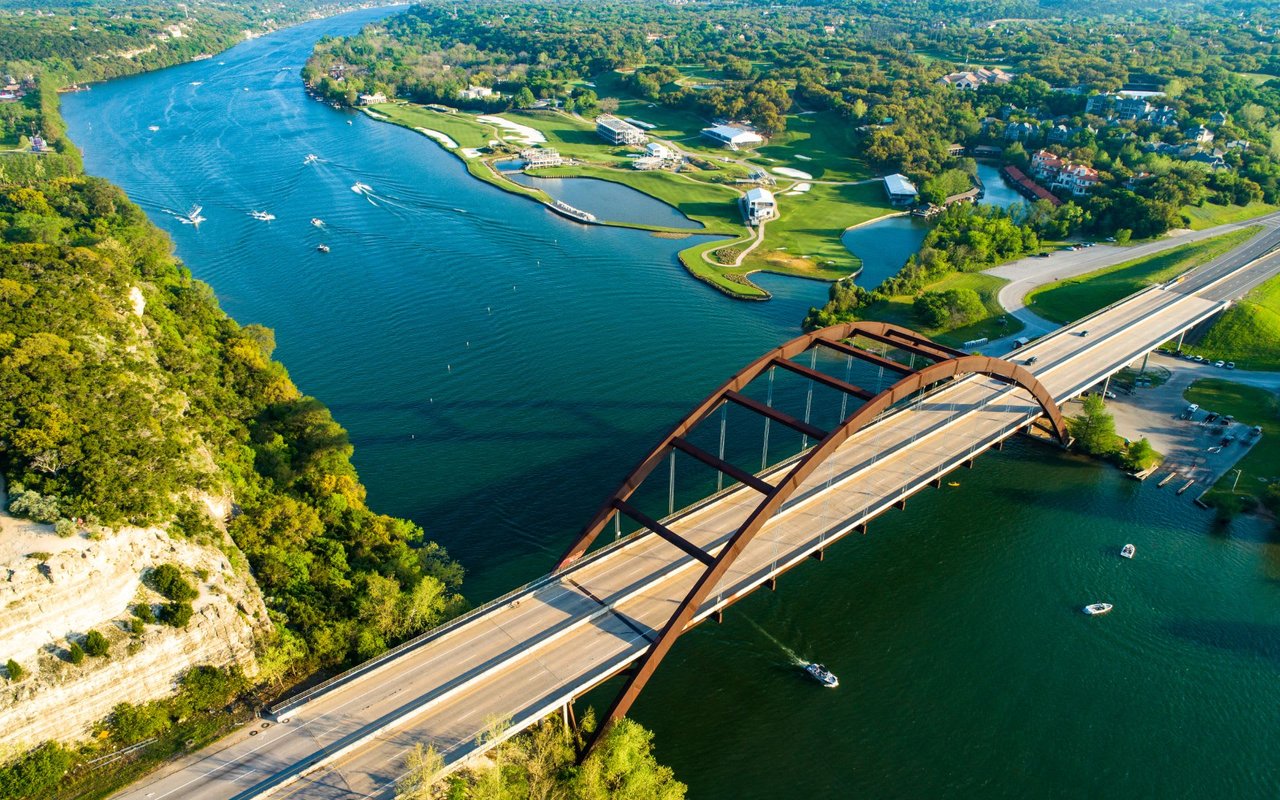
Austin has a strong outdoor culture, a well known live music scene, the Hill Country right outside the city, and a more compact feel.
Dallas is part of a much larger metro area with a huge corporate presence, major professional sports, extensive shopping and dining, and a much larger network of surrounding communities.
Neither city is going to be the right fit for everyone.
If you're trying to decide between the two, here's what I would consider before making a move.
The easiest way to compare them is to look at what everyday life actually feels like.
Austin
Outdoor focused
Hill Country access
Strong live music culture
Tech and growing industries
More compact metro
Wide variety of central neighborhoods
Dallas
Large metropolitan area
Major corporate presence
Professional sports
Extensive shopping and dining
Large network of surrounding communities
More urban and suburban options
The differences become much more noticeable once you start thinking about where you'll live, where you'll work, and how you spend your free time.
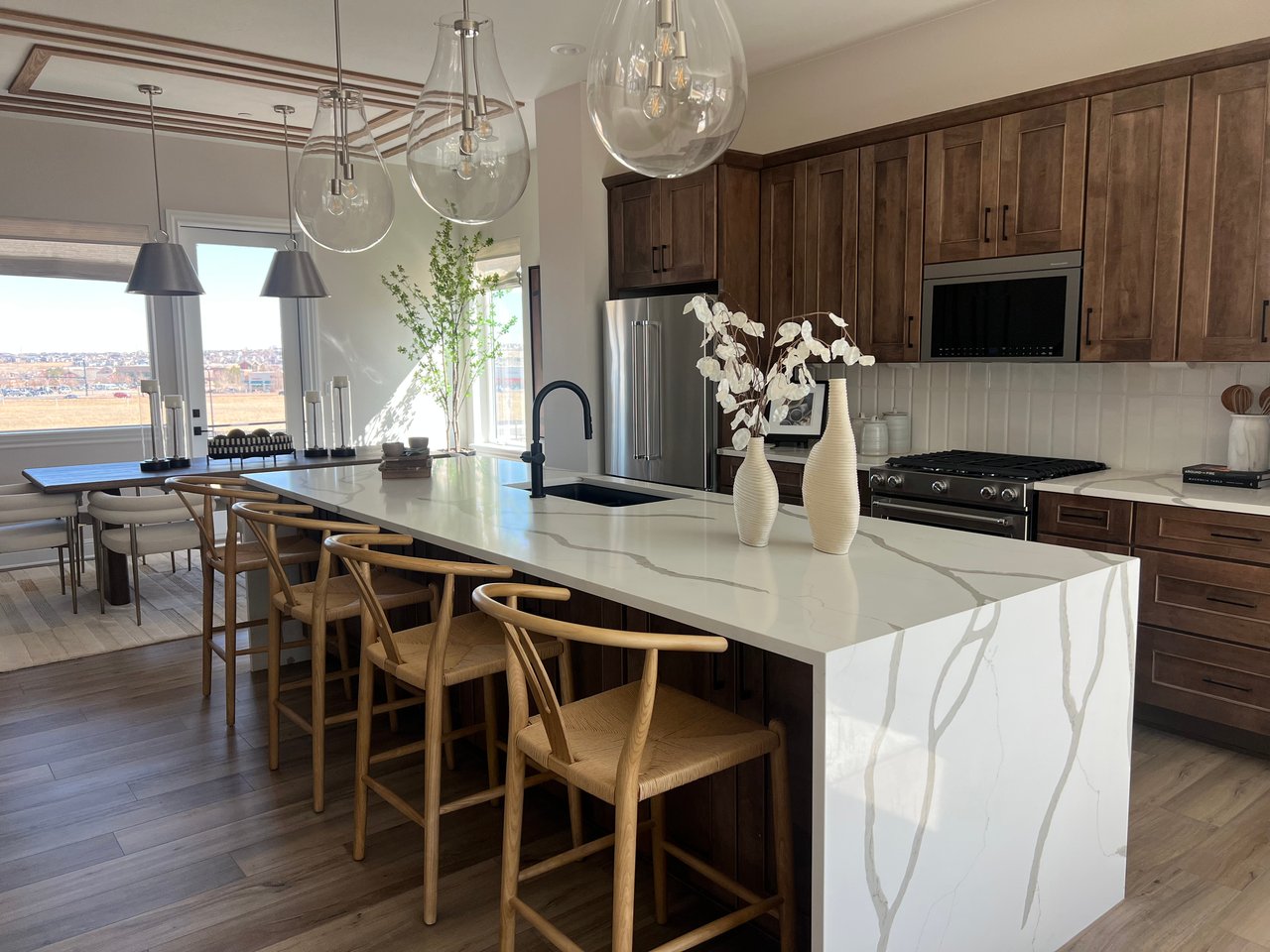
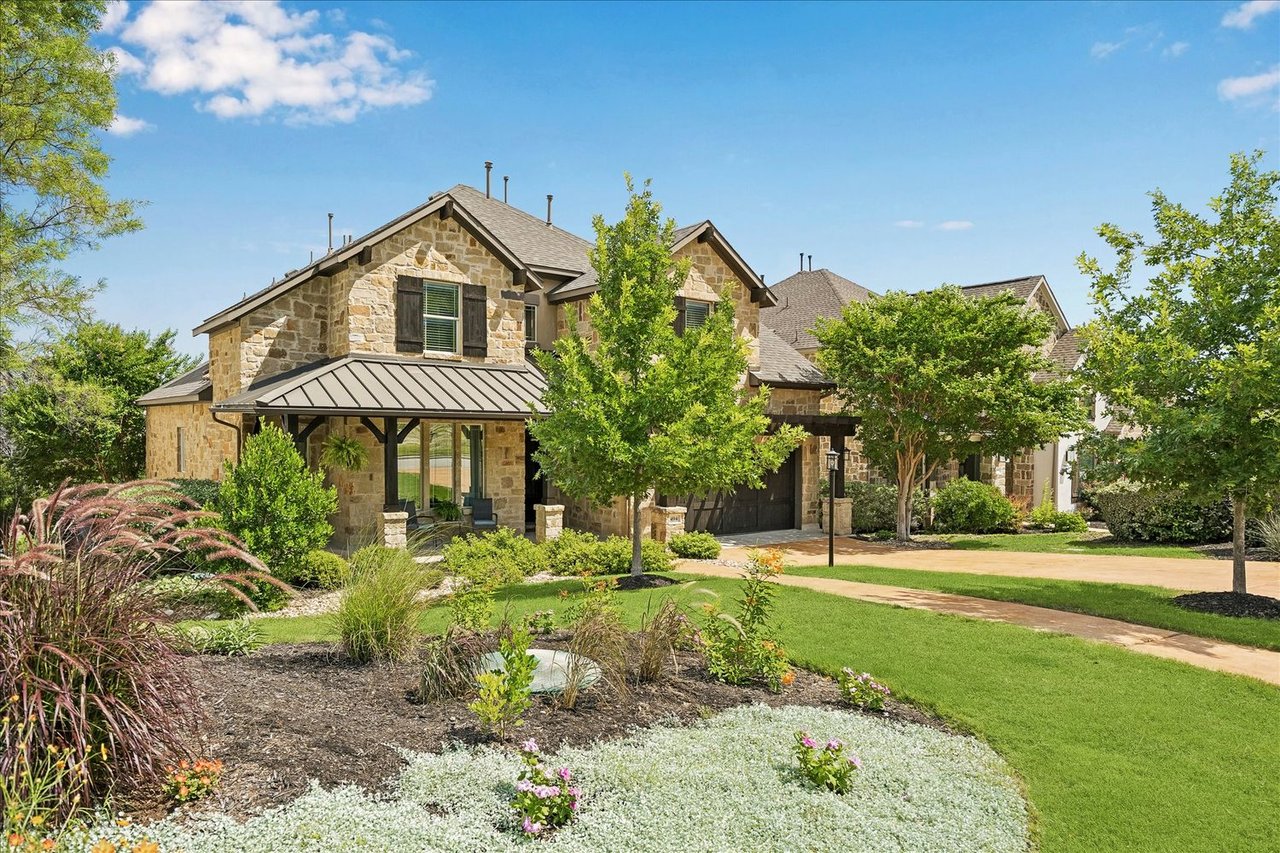
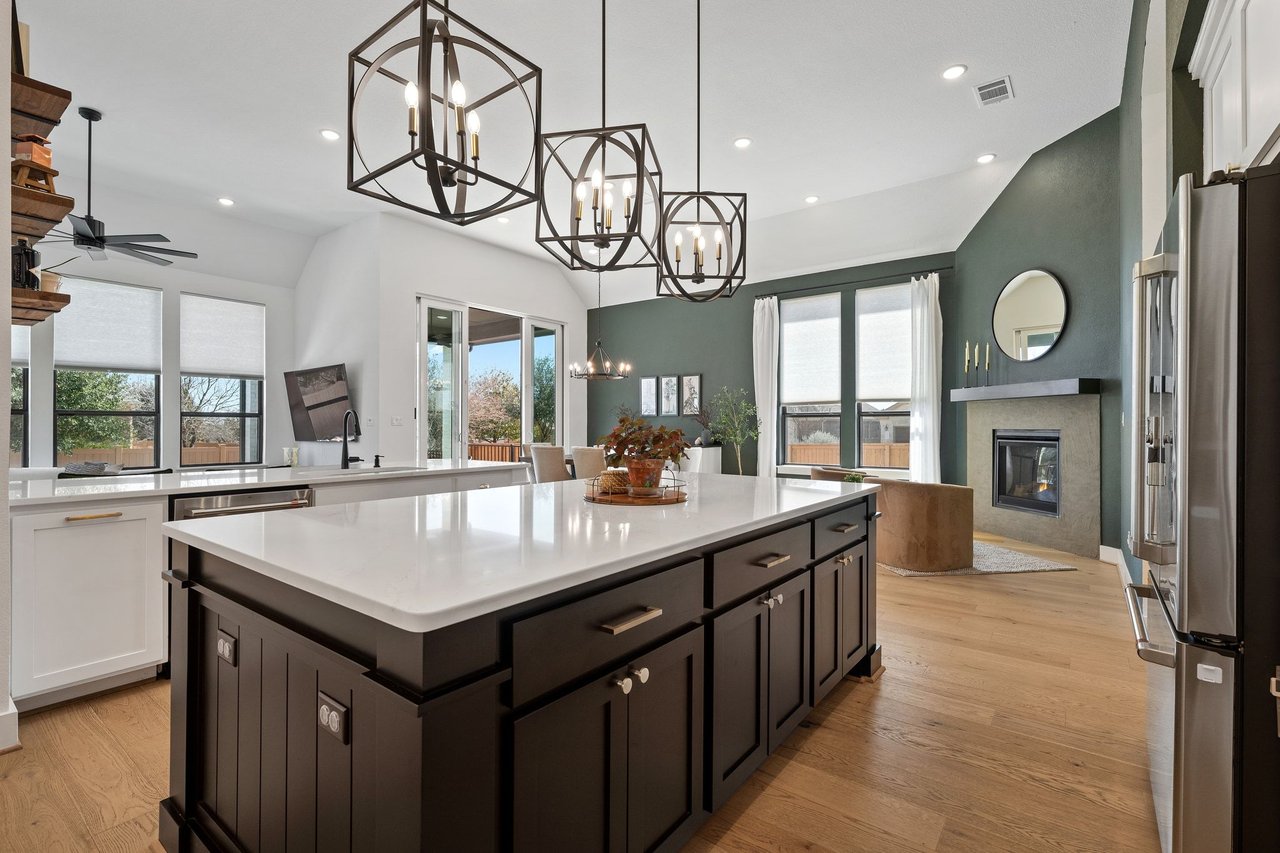
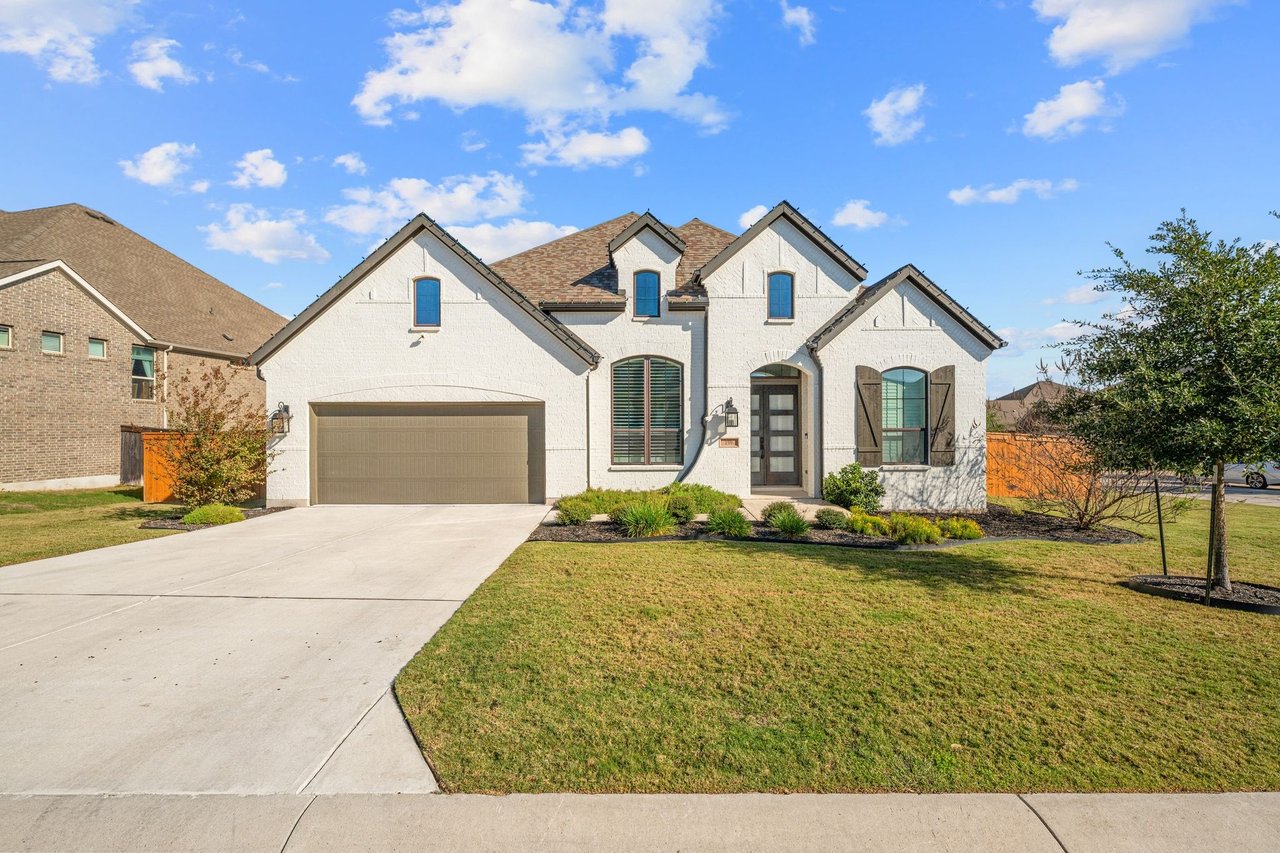
If you're buying a home, this is one of the biggest differences to consider.
Housing costs can vary significantly within both metros, so there isn't one number that tells the whole story. But generally, buyers can expect to find a lower entry point for housing in many parts of the Dallas area than they will in comparable areas of Austin. Current comparison data also shows housing as one of the largest cost differences between the two metros.
That doesn't mean Dallas is inexpensive or that Austin is unaffordable.
It means your housing budget may go further in Dallas depending on the neighborhood and type of home you're looking for.
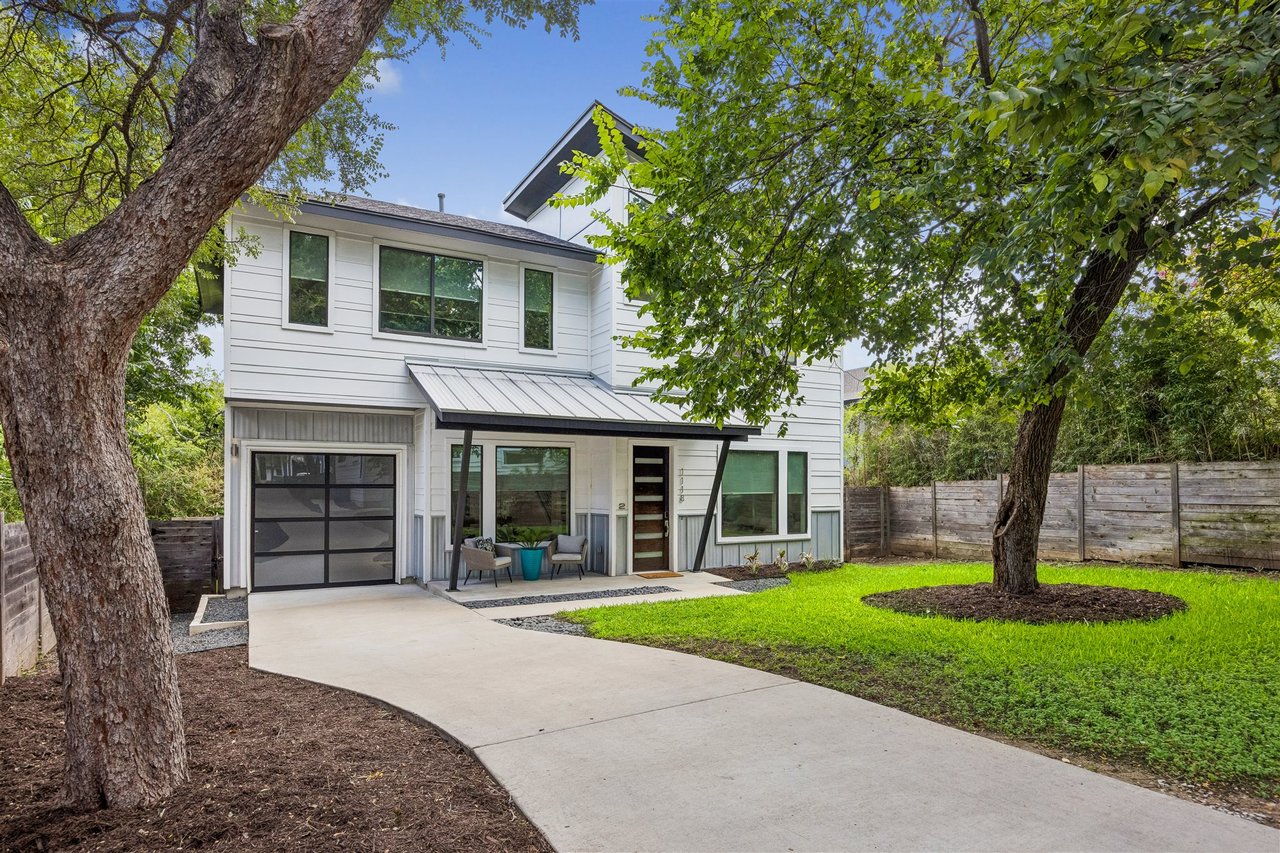
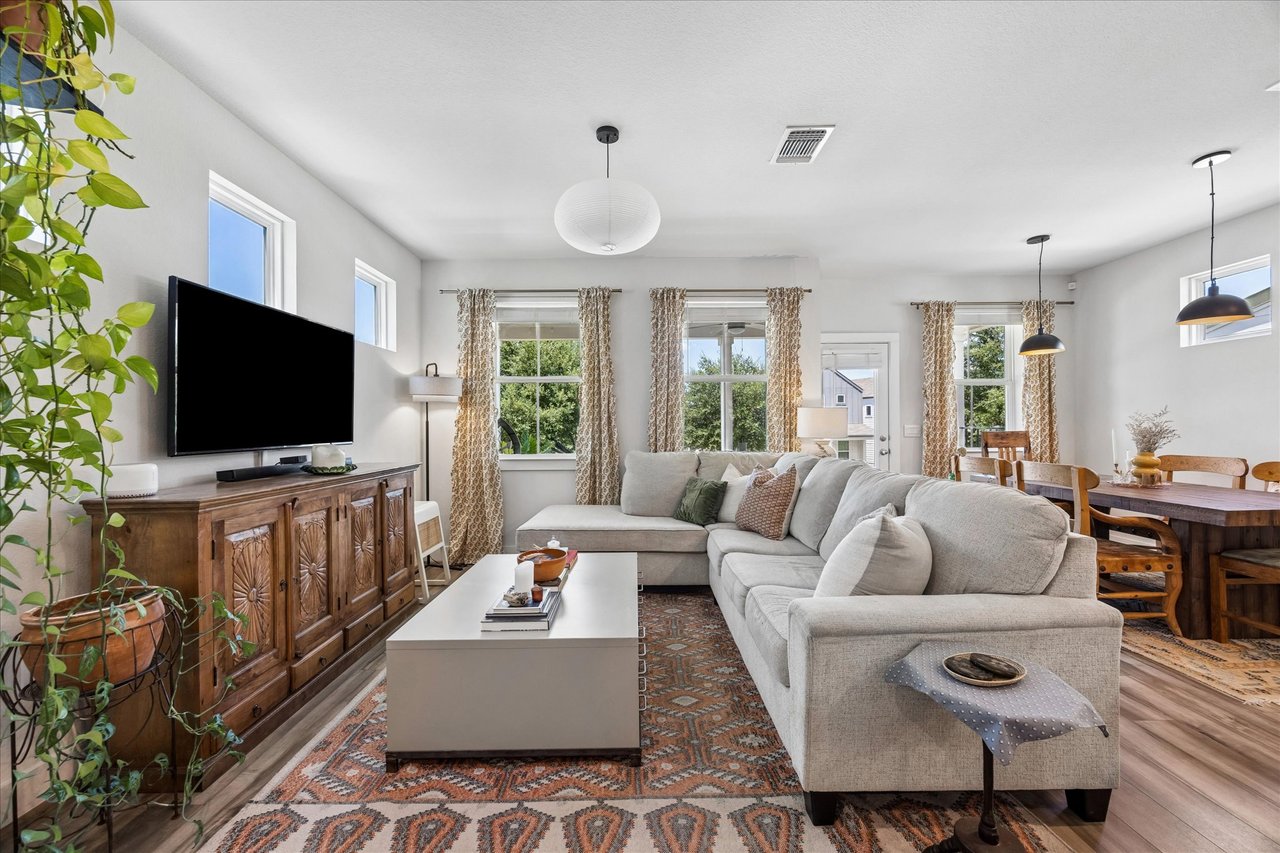
Austin has a wide range of housing too, from downtown condos and older central neighborhoods to larger homes farther west and newer communities throughout the metro.
If you're relocating, I would look at the lifestyle you're getting for your housing budget, not just the purchase price.
A $600,000 home in Austin and a $600,000 home in Dallas may give you a very different experience.
This is probably one of the biggest things that's difficult to understand from a Zillow search.
Austin tends to feel more compact and neighborhood oriented.
You can live in an established neighborhood close to downtown, restaurants, trails, parks, and entertainment, or you can move farther out and have more space.
Dallas is part of a much larger metroplex, which means there are far more communities and suburbs to choose from.
You can live in the city of Dallas, in one of the surrounding cities, or much farther out and still be part of the greater Dallas Fort Worth area.
That gives Dallas a huge range of housing and lifestyle options.
Austin has plenty of variety too, but the scale is different.
Both cities have strong economies, but the industries and employment opportunities have different concentrations.
Austin has become particularly associated with technology, startups, semiconductor manufacturing, government, education, healthcare, and other professional industries.
Dallas Fort Worth has a much larger overall metro economy and a broad mix of industries, including finance, technology, healthcare, telecommunications, logistics, aviation, manufacturing, and corporate headquarters. Current relocation comparisons consistently identify Dallas Fort Worth's larger corporate base as one of its distinguishing features.
If you're relocating for a job, I would start with your specific industry rather than choosing a city based on general reputation.
And if you already have a job lined up, your office location should be one of the first things you consider when deciding where to live.
This is one area where the difference between the two cities can really matter.
Both Austin and Dallas have traffic.
But the size and layout of the metros are different.
Dallas Fort Worth is a massive metro area with an extensive highway network and DART light rail serving parts of the region. Austin has Capital Metro bus and rail service, but most people still rely heavily on a car for daily transportation.
In either city, I would pay close attention to your daily commute before choosing a neighborhood.
This is something I talk about frequently with relocation clients because a house can look perfect online, but if you're spending an hour each way getting to work, you may feel very differently about it after a few months.
If you're moving to Austin, I have a full guide on Living in Austin: A Guide to Commute Times, Lifestyle & Housing Options that can help you start narrowing down your options.
This is one of the biggest differences you'll notice.
Austin's geography gives it a very distinctive outdoor lifestyle.
You have Barton Springs, Lady Bird Lake, the Barton Creek Greenbelt, Lake Travis, numerous parks, and the Hill Country just west of the city.
You don't necessarily have to plan an entire weekend around getting outside. There are plenty of ways to work it into your normal routine.
Dallas has outdoor options too.
White Rock Lake, the Katy Trail, Trinity River trails, and several large parks provide plenty of opportunities to get outside. But the landscape is different, and the Hill Country scenery and swimming holes that are part of the Austin experience aren't part of everyday Dallas life.
If being close to trails, lakes, swimming holes, and the Hill Country is a major part of what you're looking for, that should factor into your decision.
You really can't go wrong with either city if having things to do is important to you.
Austin is known for live music, local restaurants, festivals, food trucks, bars, and a strong independent business culture.
Dallas has an enormous restaurant and entertainment scene, along with major museums, performing arts, shopping, and professional sports.
The cities simply have different personalities.
Austin tends to have a more casual, local, outdoor oriented feel.
Dallas offers a larger scale of big city amenities and entertainment.
And your experience will depend heavily on which neighborhood you choose.
If professional sports are a major part of your life, Dallas has a significant advantage in the number of major league teams in the area.
The Dallas Fort Worth region is home to teams including the Dallas Cowboys, Dallas Mavericks, Texas Rangers, Dallas Stars, and FC Dallas.
Austin has Austin FC, along with a strong college sports culture.
This may not matter at all to you.
But if being close to professional sports is something you care about, it's worth considering when comparing the two cities.
You're not escaping Texas heat by choosing one over the other.
Both cities have very hot summers.
Austin is generally a little warmer during the winter months, while Dallas sits farther north and tends to experience more winter weather. Average temperatures are fairly similar during the summer, with both cities regularly reaching the mid 90s.
There are also some differences in the types of weather each area experiences.
Dallas is farther north and can see more winter precipitation and severe thunderstorms, while Austin has its own weather considerations, including intense summer heat, drought, flooding, and cedar season.
If you're moving from another state, I always recommend experiencing an Austin summer before deciding you love the Texas weather.
This is another consideration that can matter more than people expect.
Austin Bergstrom International Airport is convenient for the Austin area and has expanded significantly as the city has grown.
Dallas Fort Worth International Airport is one of the country's largest airports and offers an enormous number of domestic and international flight options.
If you travel frequently for work or have family across the country, your airport access may be worth factoring into your decision.
This is where the comparison gets even more interesting.
When someone tells me they're moving to "Austin," they may actually be considering places throughout the greater Austin area.
That could mean Round Rock, Cedar Park, Bee Cave, Lakeway, Dripping Springs, Buda, Georgetown, or another surrounding community.
The same is true around Dallas.
Someone moving to Dallas may actually be considering Plano, Frisco, McKinney, Richardson, Coppell, Southlake, Flower Mound, or another part of the DFW metro.
So before you compare Austin and Dallas, think about whether you're actually comparing two cities or two entire metro areas.
Your options change quite a bit depending on how far you're willing to live from the city center.
This is one of the most common questions I hear.
In general, housing tends to be more expensive in Austin than in Dallas, although the difference varies considerably by neighborhood and property type. Cost of living comparisons also vary depending on the methodology used, so I would be cautious about relying on one overall percentage.
Instead, I recommend creating a realistic monthly budget for the specific lifestyle you're considering.
Look at:
Your expected housing payment
Property taxes
Homeowners insurance
HOA fees
Utilities
Transportation
Commute
Dining and entertainment
And the amount of space you want
That will tell you much more than a generic "cost of living" number.
This is where I think the decision becomes personal.
If you're drawn to outdoor access, Hill Country scenery, live music, a more compact city, and a strong local restaurant culture, you may find yourself more drawn to Austin.
If you're looking for a much larger metro area, a broad corporate job market, extensive suburban options, major professional sports, and a large selection of shopping and entertainment, Dallas may be worth exploring.
Neither description tells you whether one city is better.
It tells you that they're different.
And that's exactly what I would focus on when making your decision.
Before deciding where to move, I would ask yourself a few questions:
Where will I be working?
How much time am I willing to spend commuting?
How much home do I want for my budget?
Do I want to be close to restaurants and entertainment?
How important is outdoor access?
Do I want to live in a central neighborhood or have more space farther out?
How often do I travel?
Do I care about professional sports?
Do I want an established neighborhood or a newer community?
What do I actually want my weekends to look like?
Those answers will probably tell you more about which city fits you than any "best cities in Texas" list.
If you're still trying to figure out where you fit within Austin specifically, I also recommend reading Moving to Austin? How to Choose the Right Neighborhood for Your Lifestyle.
Austin and Dallas are both great options for someone considering a move to Texas, but they're not interchangeable.
Austin has its own personality, geography, neighborhoods, and way of life. Dallas has a completely different scale and set of opportunities.
If you're deciding between the two, don't just compare home prices or Google lists.
Think about what you want your everyday life to feel like.
And if you decide Austin is the right fit, that's where I can help.
My goal with relocation clients isn't simply to send you listings. It's to help you understand the different parts of Austin, figure out what actually fits your lifestyle, and then find the home that makes sense within that area.
If you're considering a move to Austin, I'd be happy to be a resource while you're figuring out whether it's the right fit for you.
Madison Swanson
Luxury Real Estate Advisor, Compass
@buyingwithmadison
Is Austin, Texas a Good Place to Live?
Moving to Austin: A Complete Relocation Guide
Moving to Austin? How to Choose the Right Neighborhood for Your Lifestyle
Is Now a Good Time to Buy in Austin?