If your Austin home has been on the market and you're not getting the interest you expected, you're probably asking yourself the same question: Why isn't it selling?
The truth is, there is usually a reason.
It doesn't necessarily mean your home is bad, your price is too high, or that you need to spend tens of thousands of dollars on renovations. Sometimes it's one small thing that is keeping buyers from taking the next step. Other times, there are several factors working together.
In today's Austin market, buyers have more options than they did a few years ago. That means they're comparing homes closely, paying attention to condition, and taking their time before making an offer.
As a Realtor, when a home isn't getting the activity we expected, I don't believe in simply dropping the price and hoping that fixes everything. I want to figure out why buyers aren't responding and make a strategic adjustment from there.
Here are seven of the most common reasons I see Austin homes struggle to sell.
This is probably the most obvious reason, but it's also one of the most important.
Your home doesn't have to be overpriced by $100,000 to have a pricing problem. Sometimes even being slightly above where buyers perceive the value can make a difference.
Buyers are comparing your home to everything else currently available, not just what your neighbor's house sold for six months ago.
If your home is priced higher than comparable properties that offer similar condition, location, size, or features, buyers may simply skip over it.
And once a home sits on the market for a while, buyers can start to wonder if there is something wrong with it.
Pricing isn't about choosing a number that feels good. It's about understanding how buyers are going to see your home compared with the competition.
I recently wrote about this in What Does It Really Cost to Sell a Home in Austin?, because pricing and your overall selling strategy are closely connected.
You don't necessarily need a completely renovated home to sell.
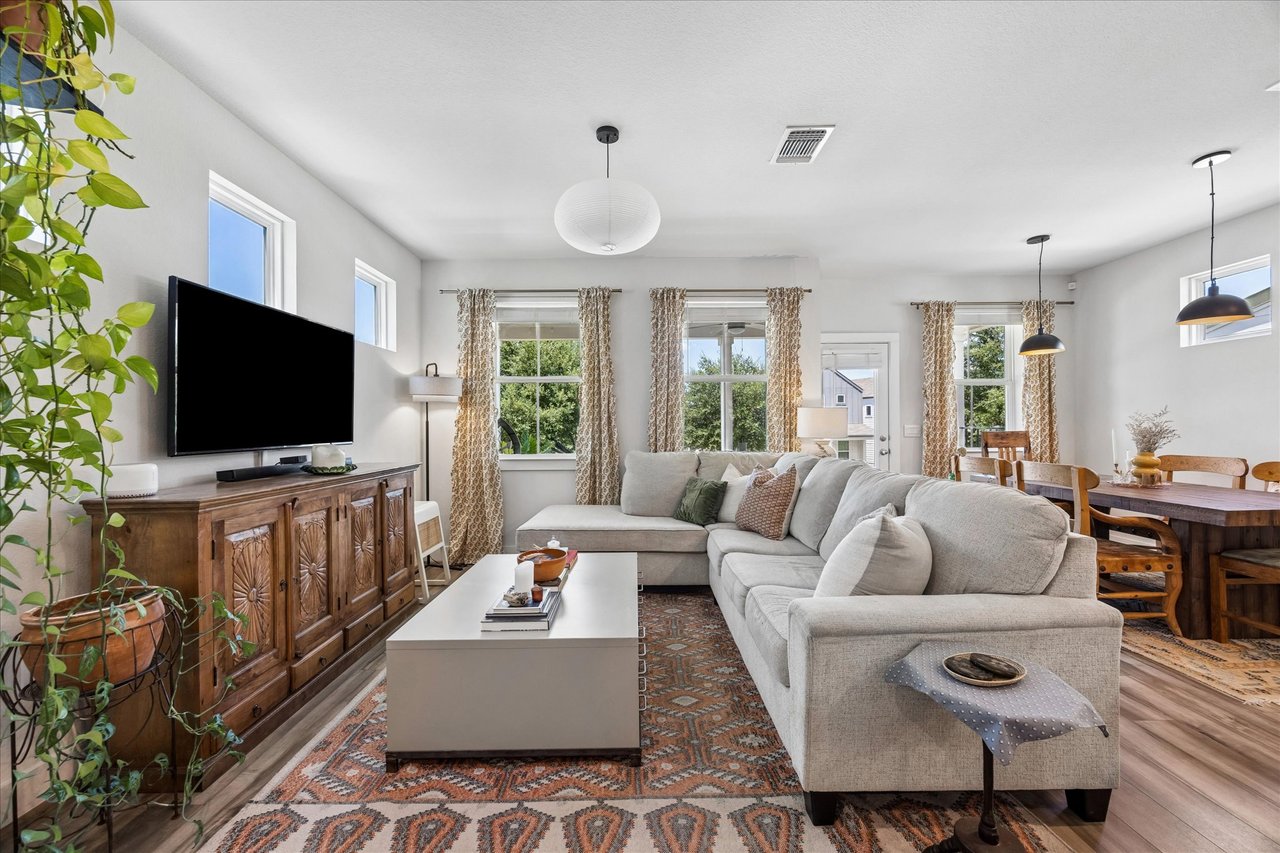
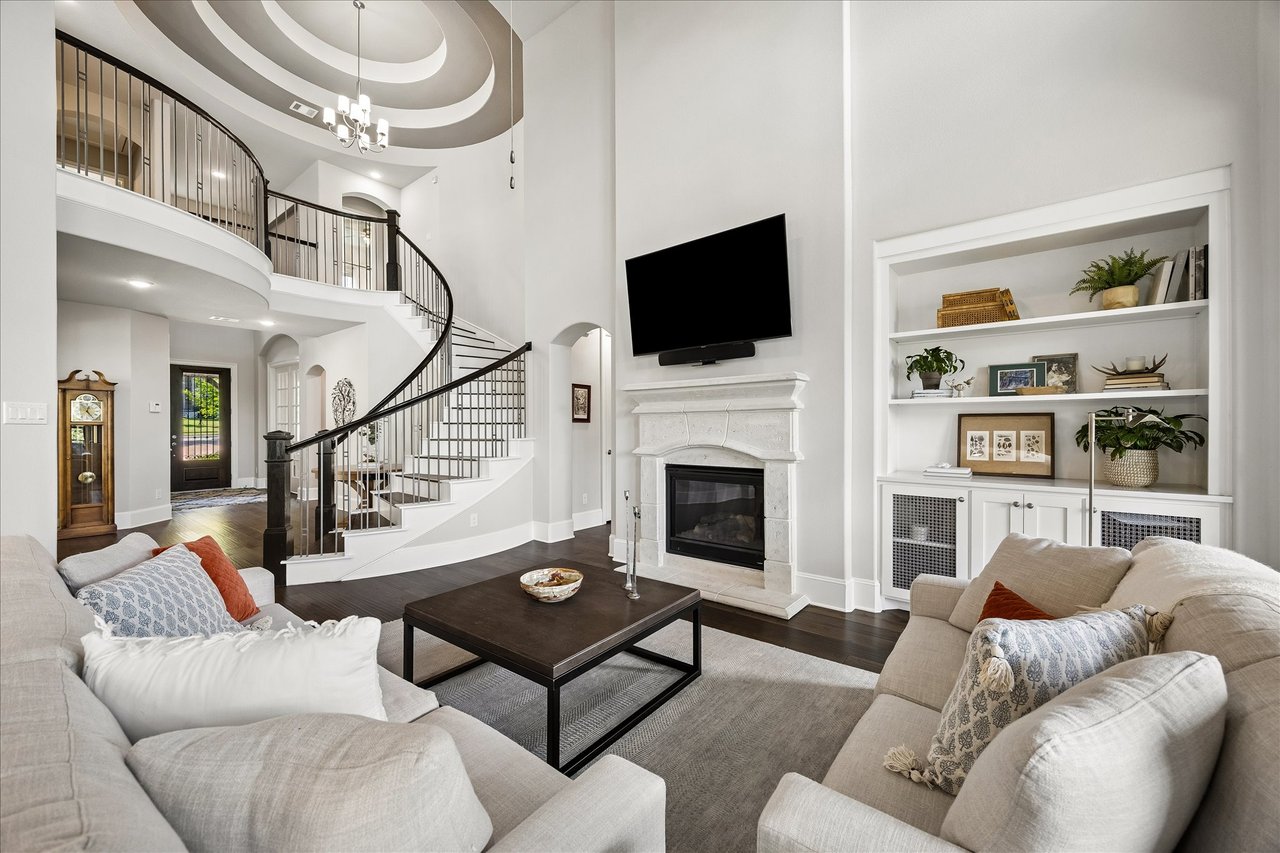
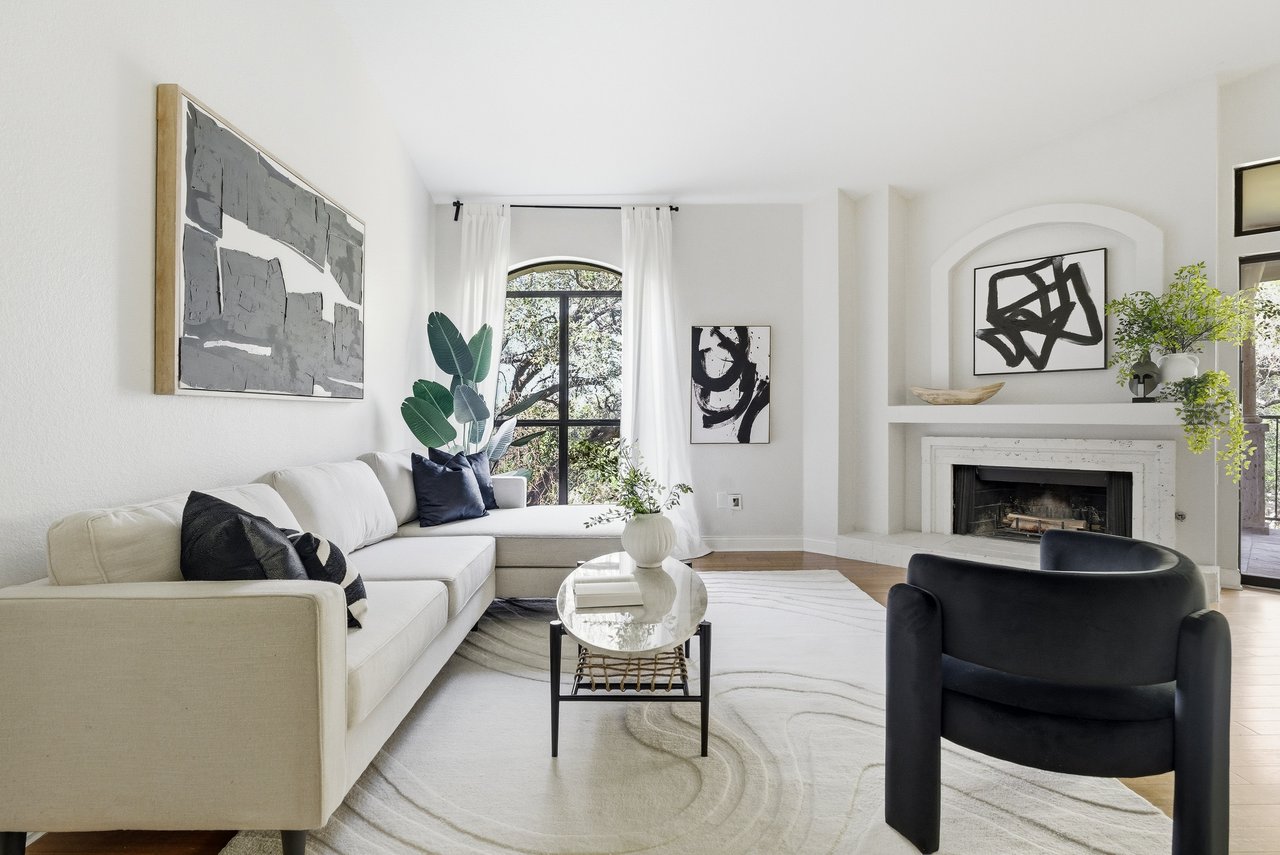
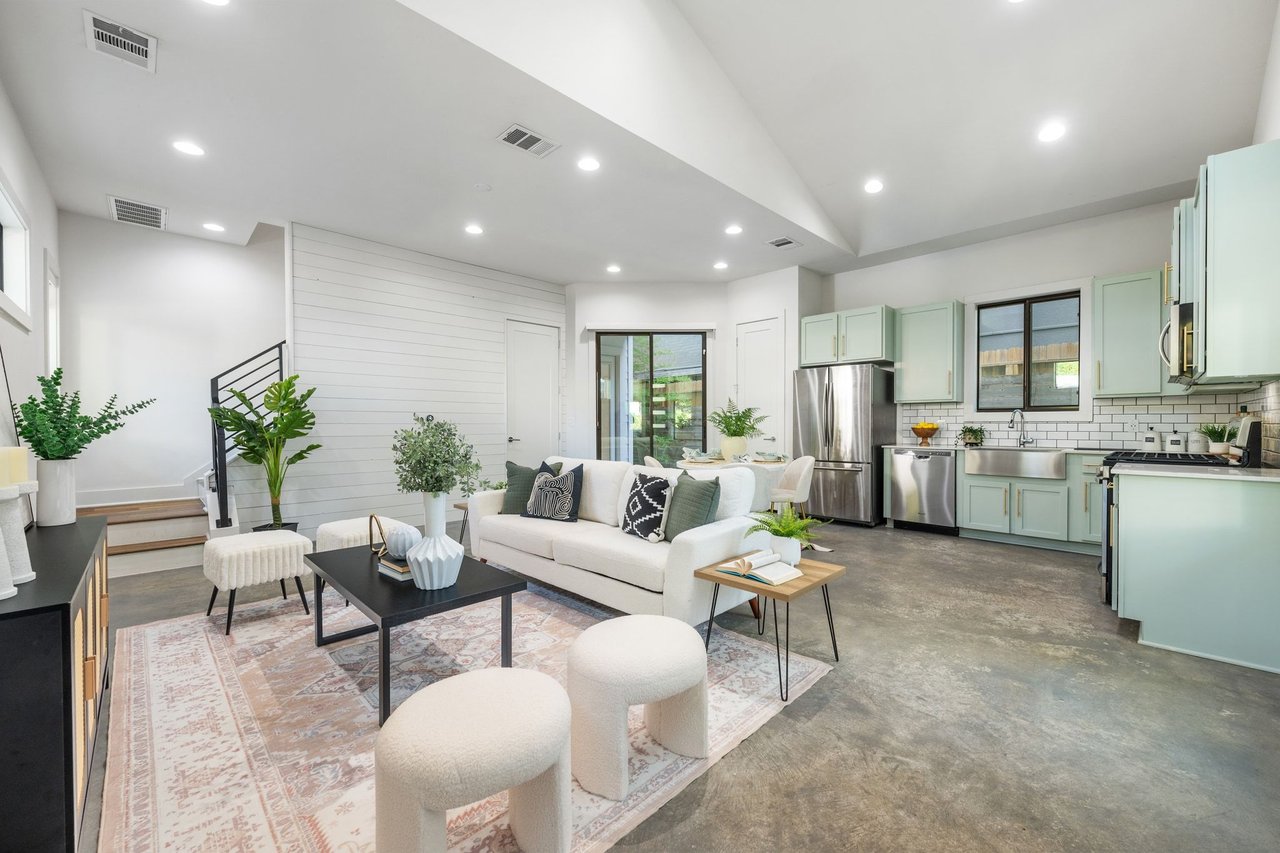
But your home does need to feel clean, cared for, and easy for a buyer to picture themselves living in.
That can mean decluttering countertops, removing excess furniture, touching up paint, cleaning windows, deep cleaning floors, refreshing landscaping, or simply rearranging furniture to make rooms feel larger.
Small things can have a surprisingly big impact.
When buyers are touring several homes in one weekend, they're naturally going to remember the homes that felt bright, clean, spacious, and well maintained.
This is one reason I spend so much time talking with sellers about presentation before we ever put a home on the market.
If you're wondering where to start, The Biggest Mistakes Austin Home Sellers Make is another good place to look. Many of the mistakes that hurt a listing have nothing to do with the actual house.
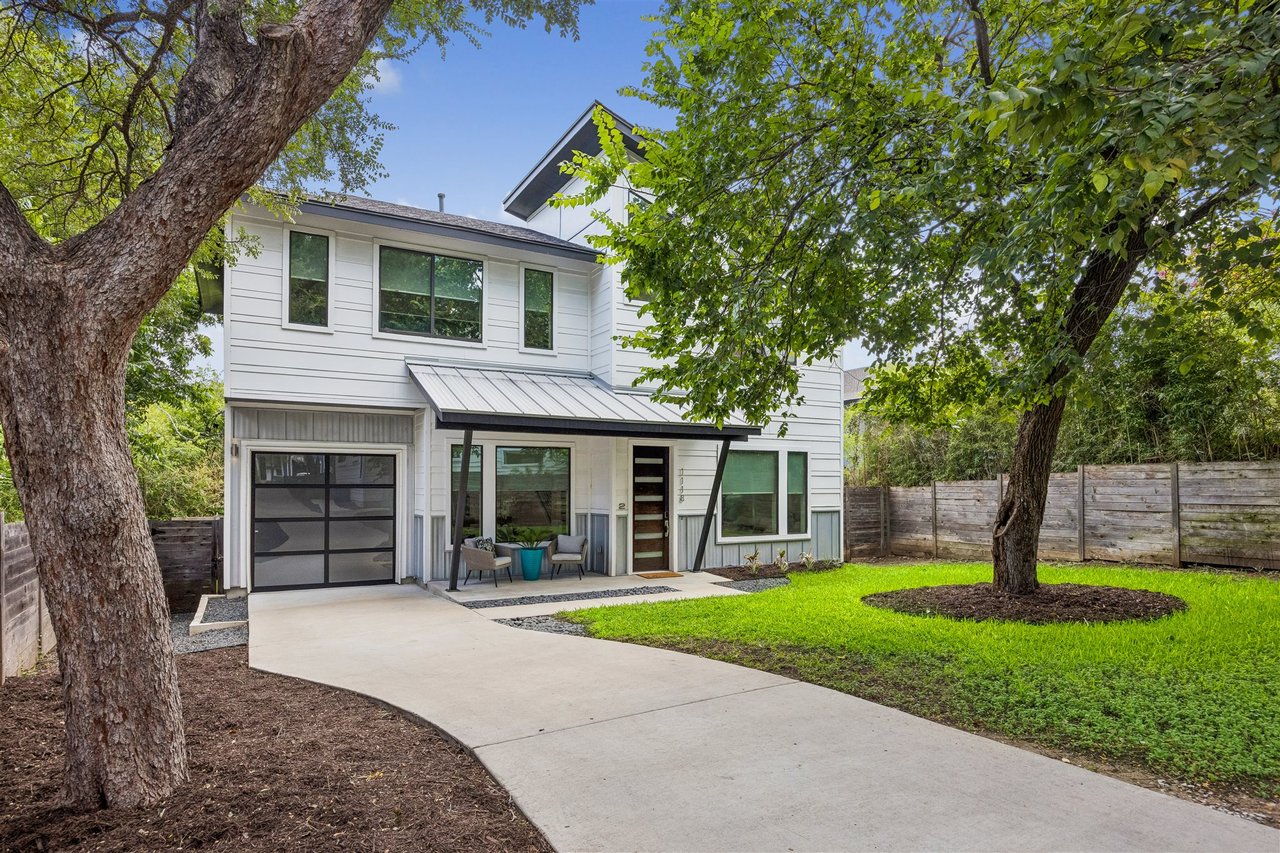
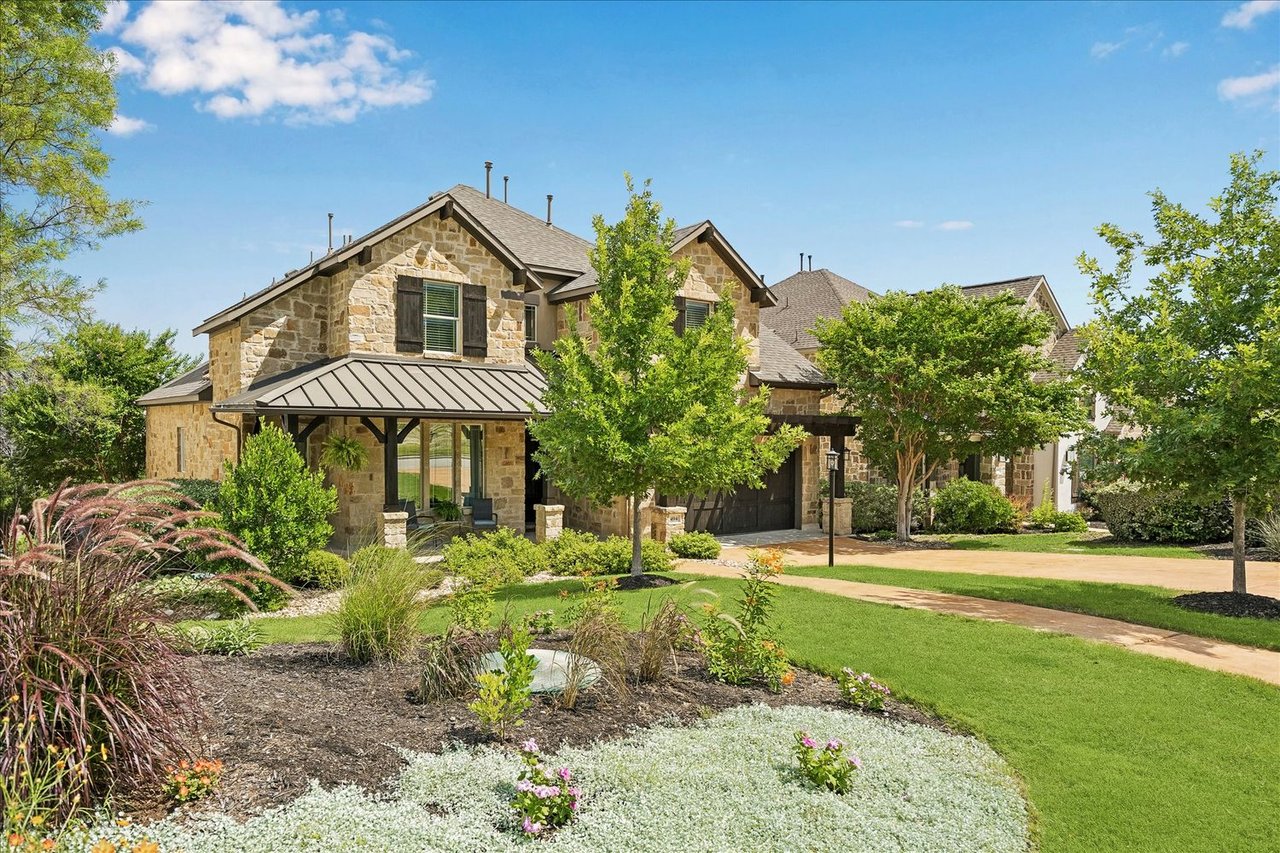
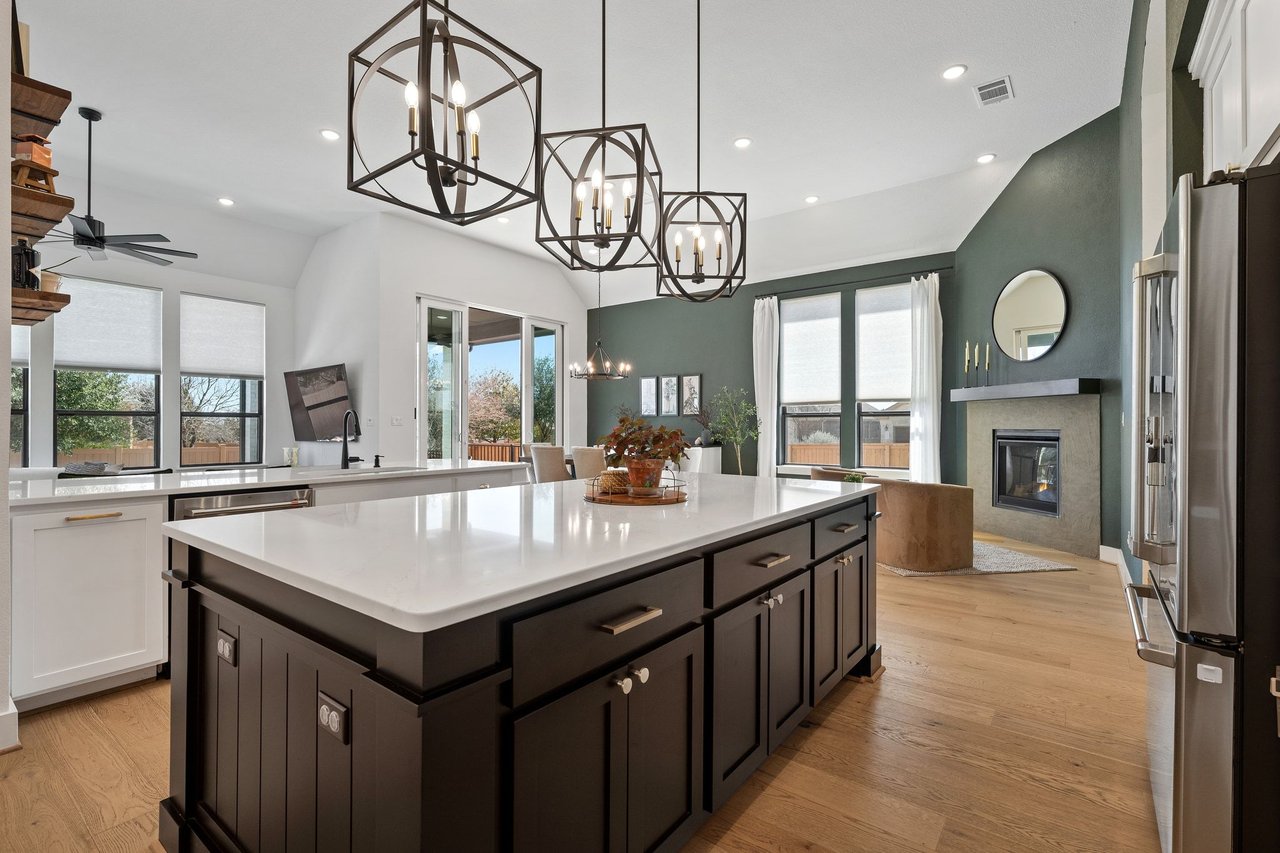
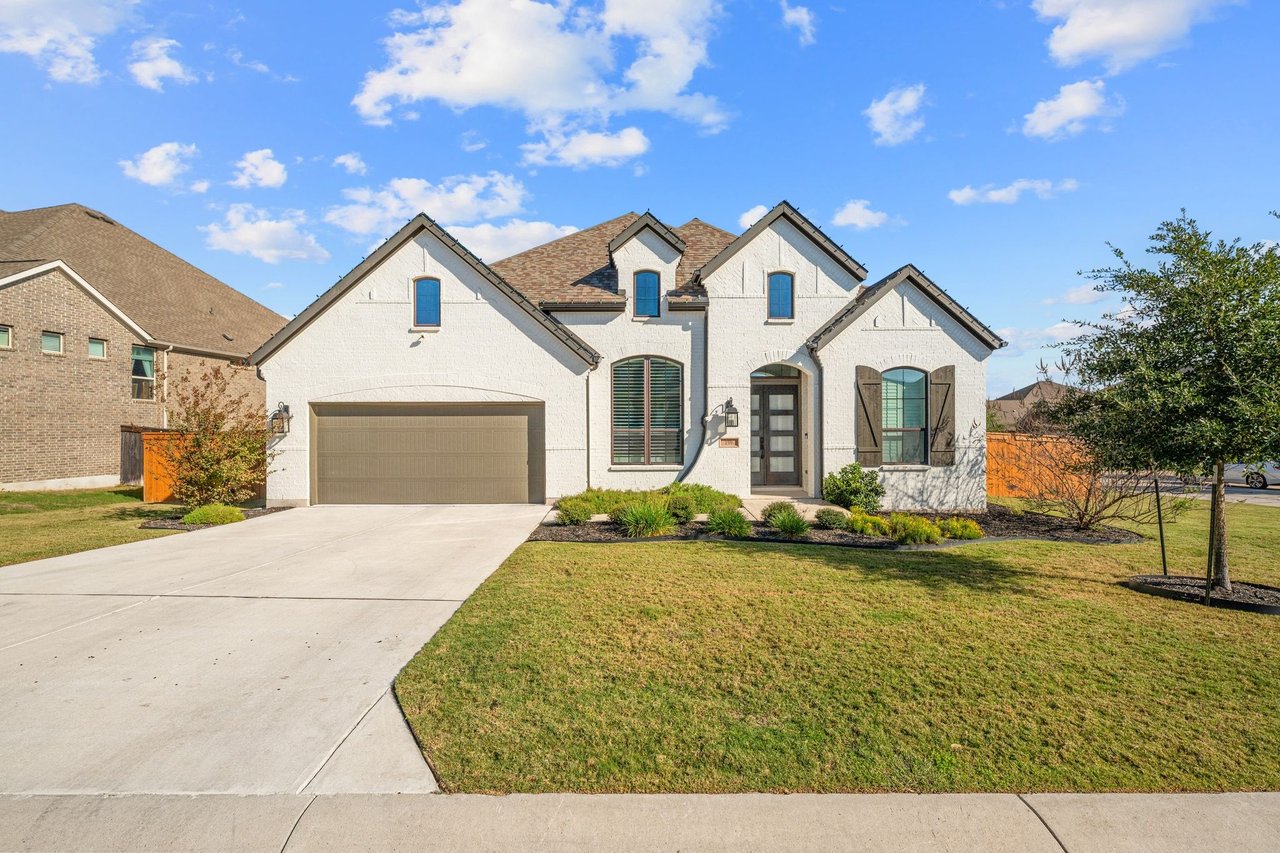
Most buyers are going to see your house online before they ever see it in person.
That means your photography matters.
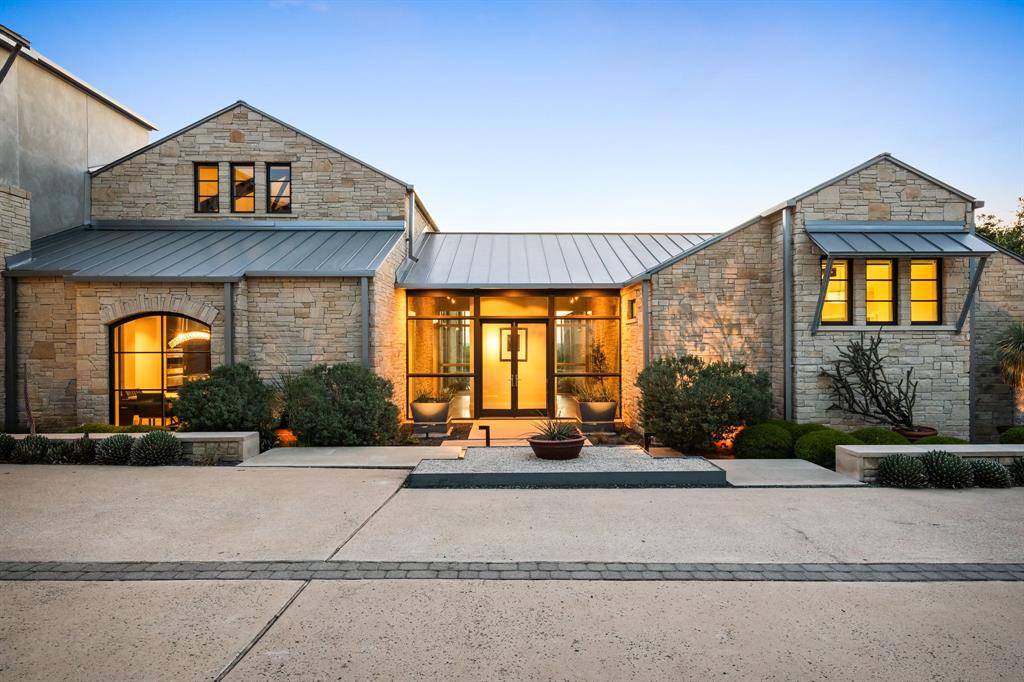
If the photos are dark, poorly composed, cluttered, or simply don't make the home look appealing, you may be losing buyers before they ever schedule a showing.
Professional photography isn't about making a home look different than it actually is. It's about showing the home in the best possible way and helping buyers understand what makes it special.
Your first photo matters. The order of the photos matters. The way the rooms are presented matters.
If buyers aren't clicking on your listing or aren't scheduling showings, I would take a close look at how the property is being presented online.
Sometimes the problem isn't your house at all.
It's the competition.
Austin buyers have options, and they are comparing your home against other properties in the same price range.
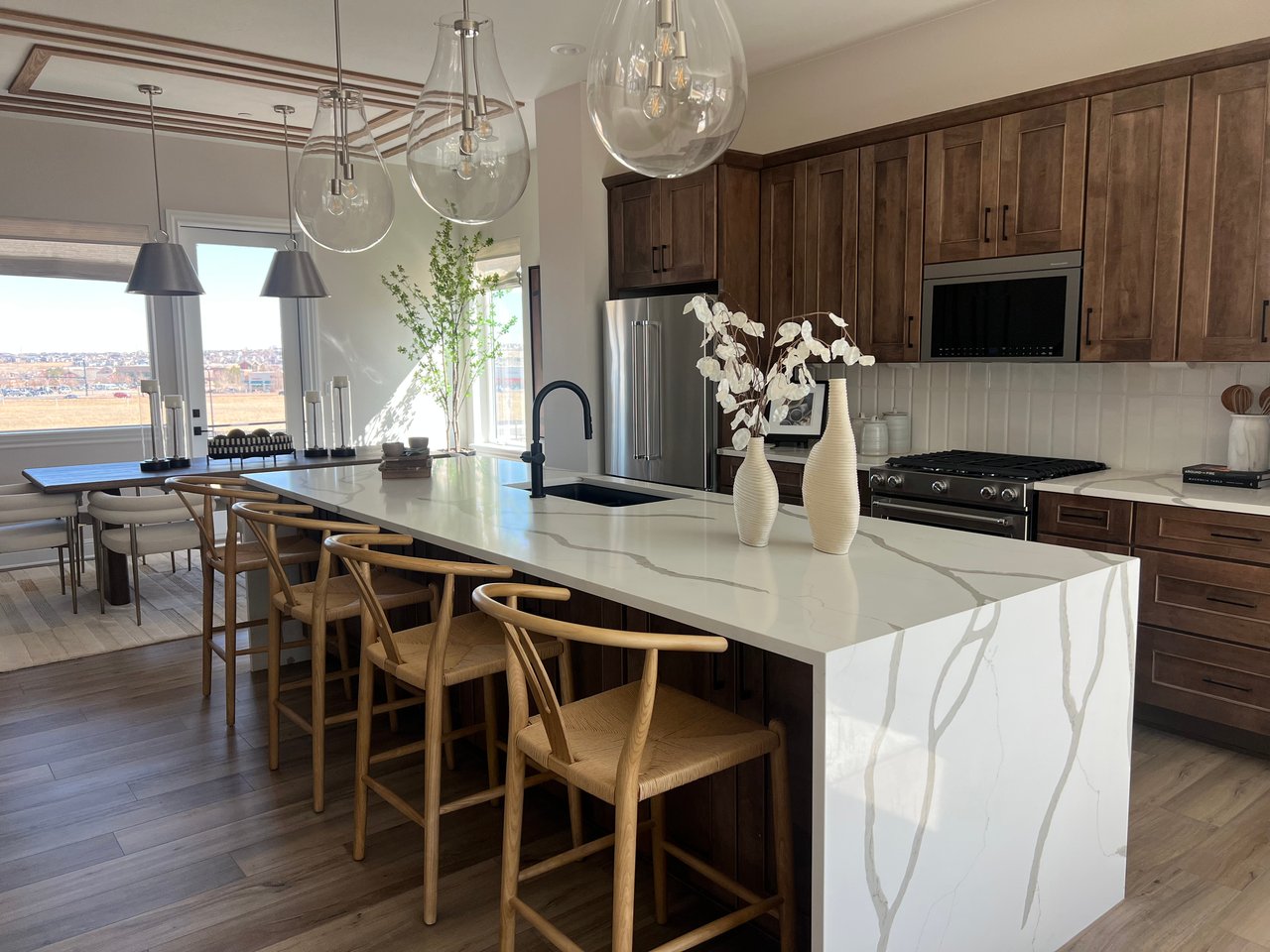
If another home down the street is similarly priced but has a newer kitchen, better outdoor space, more updated bathrooms, or simply feels more move in ready, buyers may choose that home instead.
This is why I don't recommend looking at your house in isolation.
Your home needs to be evaluated in the context of what else a buyer can purchase for the same amount of money.
I've talked more about buyer preferences in What Austin Buyers Are Looking for Right Now, and this is where that information becomes especially important for sellers.
You don't have to give buyers everything they're looking for. But you do need to understand what you're competing against.
Every home has imperfections.
The goal isn't to eliminate every single one.
But sometimes there are one or two issues that come up repeatedly during showings or inspections that make buyers hesitate.
Maybe the carpet is heavily worn. Maybe the exterior needs some attention. Maybe there is an obvious repair that you've gotten used to but buyers notice immediately.
Individually, these things may not seem like a big deal. But when buyers are already comparing multiple homes, they can become reasons to keep looking.
This is where feedback becomes really valuable.
If multiple buyers are saying the same thing, pay attention.
You don't necessarily need to fix everything they mention. But if you are hearing the same concern over and over, it may be worth addressing.
The first few weeks on the market are important.
That's when you're likely to have the most attention from buyers who are actively watching new listings.
If a home launches without enough activity, stays on the market, and then continues without any meaningful changes, it can become easy for buyers to overlook.
This is one reason I don't believe in putting a home on the market at a price just to "test it."
If the price or presentation isn't attracting buyers early on, you may end up having to make a larger adjustment later.
A strong launch gives you the opportunity to create interest while your listing is still new.
This is one of the biggest things I look at when a listing isn't getting the results we want.
Putting a home on the market isn't a set it and forget it process.
You have to watch what buyers are doing.
Are people scheduling showings?
Are they staying for a while?
Are you getting second showings?
Are buyers commenting on the price?
Are they consistently pointing out the same feature?
Are comparable homes selling while yours sits?
Those answers tell you what needs to happen next.
Sometimes the answer is a price adjustment. Sometimes it's improving the presentation. Sometimes it's addressing a repair. Sometimes the home simply needs more exposure.
And sometimes, after looking at all of the information, we realize the original strategy was actually right and we just need to give it more time.
The important thing is that the decision should come from the data and feedback, not frustration.
If your home isn't selling, the first instinct is often to lower the price.
Sometimes that is absolutely the right move.
But before making that decision, I would look at the entire listing.
Is the price competitive?
Does the home show well?
Are the photos strong?
Is the listing getting enough exposure?
What are buyers saying?
What does the competition look like?
Are there repairs that are making buyers hesitate?
Are we positioning the home correctly for the type of buyer most likely to purchase it?
A price reduction can solve a pricing problem, but it isn't always the solution to a marketing or presentation problem.
That's why I take a bigger picture approach when evaluating a listing.
If you have a specific timeline, the strategy becomes even more important.
Maybe you're relocating for work. Maybe you've already purchased another home. Maybe you're downsizing. Maybe you need to sell before buying your next property.
In those situations, waiting several more months to see if the market changes may not be realistic.
If you're buying your next home at the same time, I also recommend reading Should You Sell Before Buying Your Next Home in Austin? because your selling strategy can have a major impact on what you are able to do next.
If your Austin home isn't selling, don't panic.
And don't assume the only answer is to dramatically lower the price.
Take a step back and look at the listing the way a buyer would.
Is the price competitive? Does the home show well? Are the photos strong? What does the competition look like? What are buyers telling you? And most importantly, are you making adjustments based on what the market is actually telling you?
Every home is different, and I don't believe in a one size fits all approach to selling.
My job is to look at the full picture, identify what is holding the listing back, and create a strategy that gives your home the best opportunity to sell.
If you're thinking about selling your Austin home and want to know what I would change before putting it on the market, I'd be happy to help.
Madison Swanson
Luxury Real Estate Advisor, Compass
@buyingwithmadison
What Does It Really Cost to Sell a Home in Austin?
The Biggest Mistakes Austin Home Sellers Make
How to Sell Your Austin Home Faster Without Lowering the Price
What Austin Buyers Are Looking for Right Now?