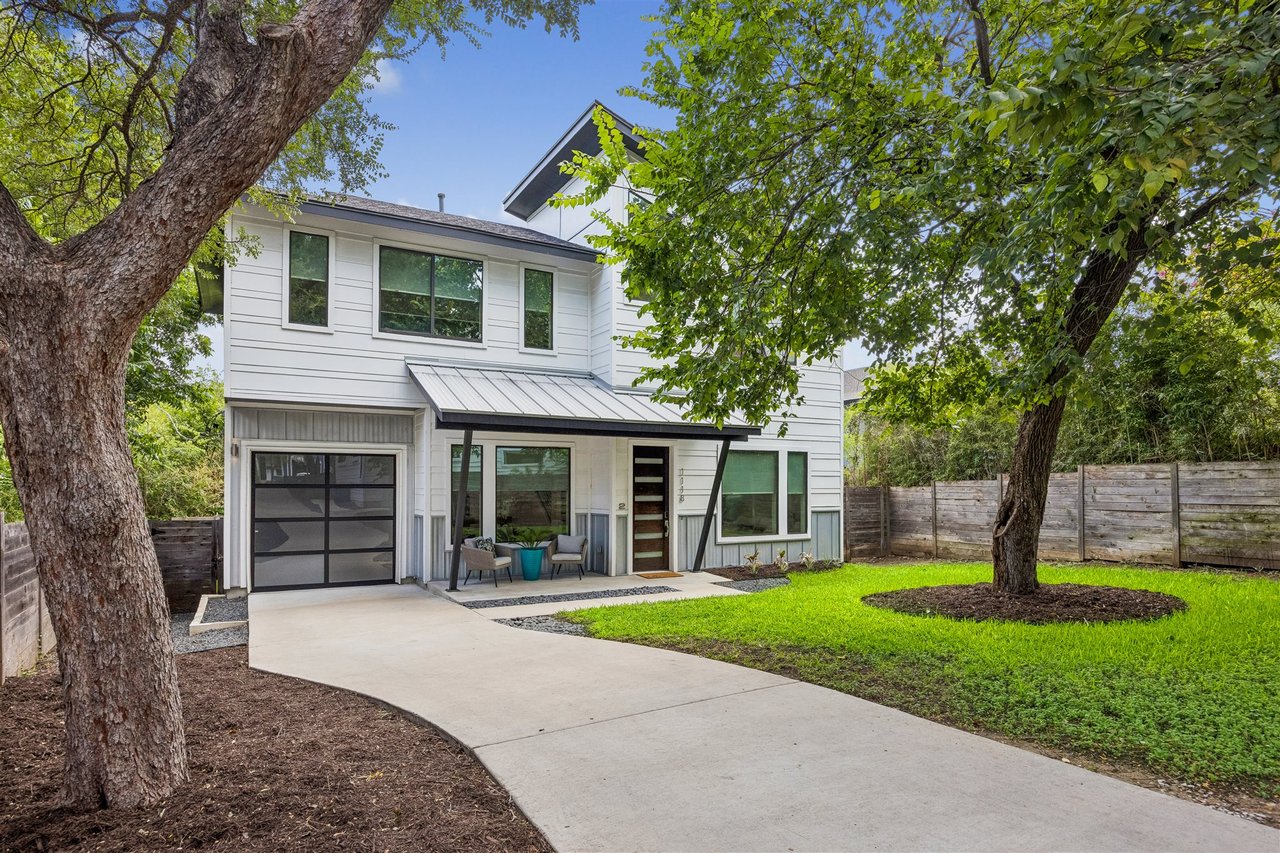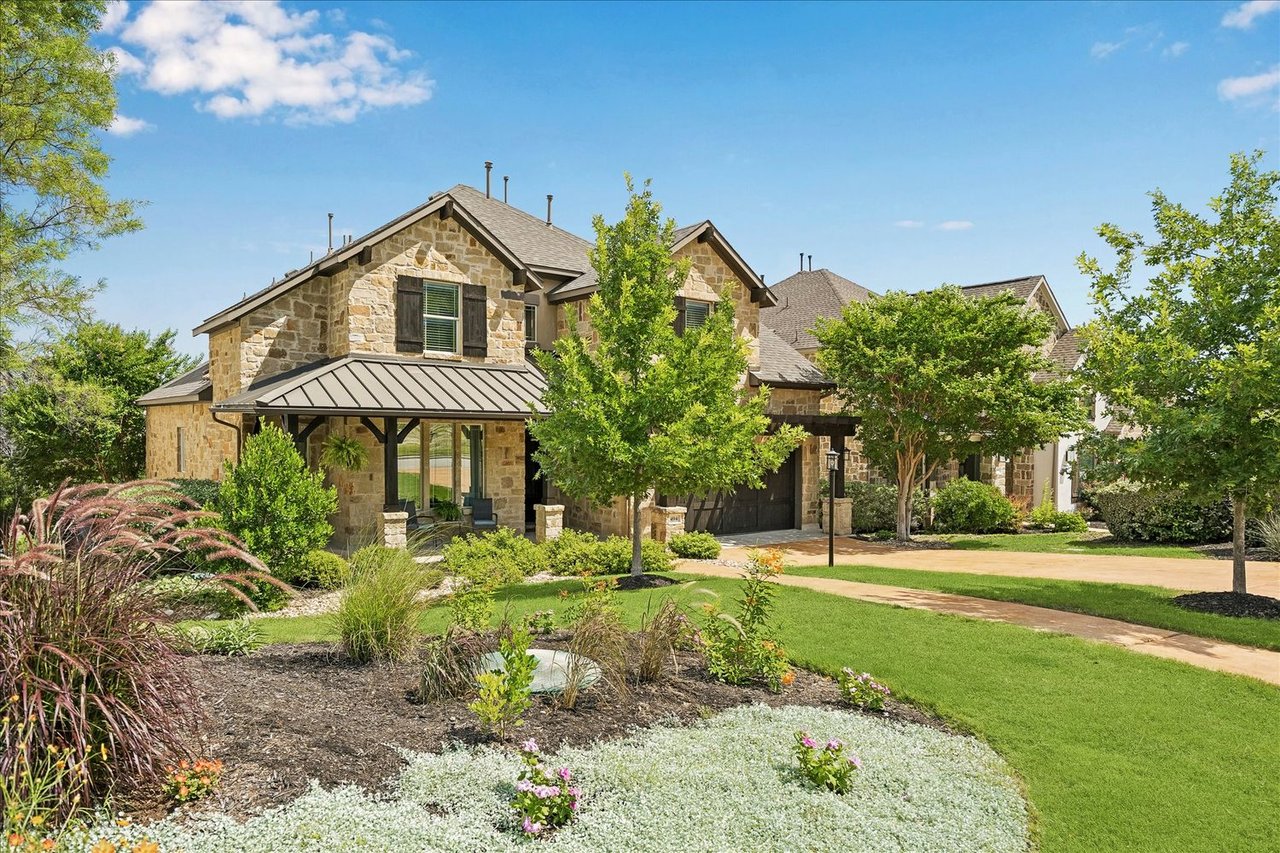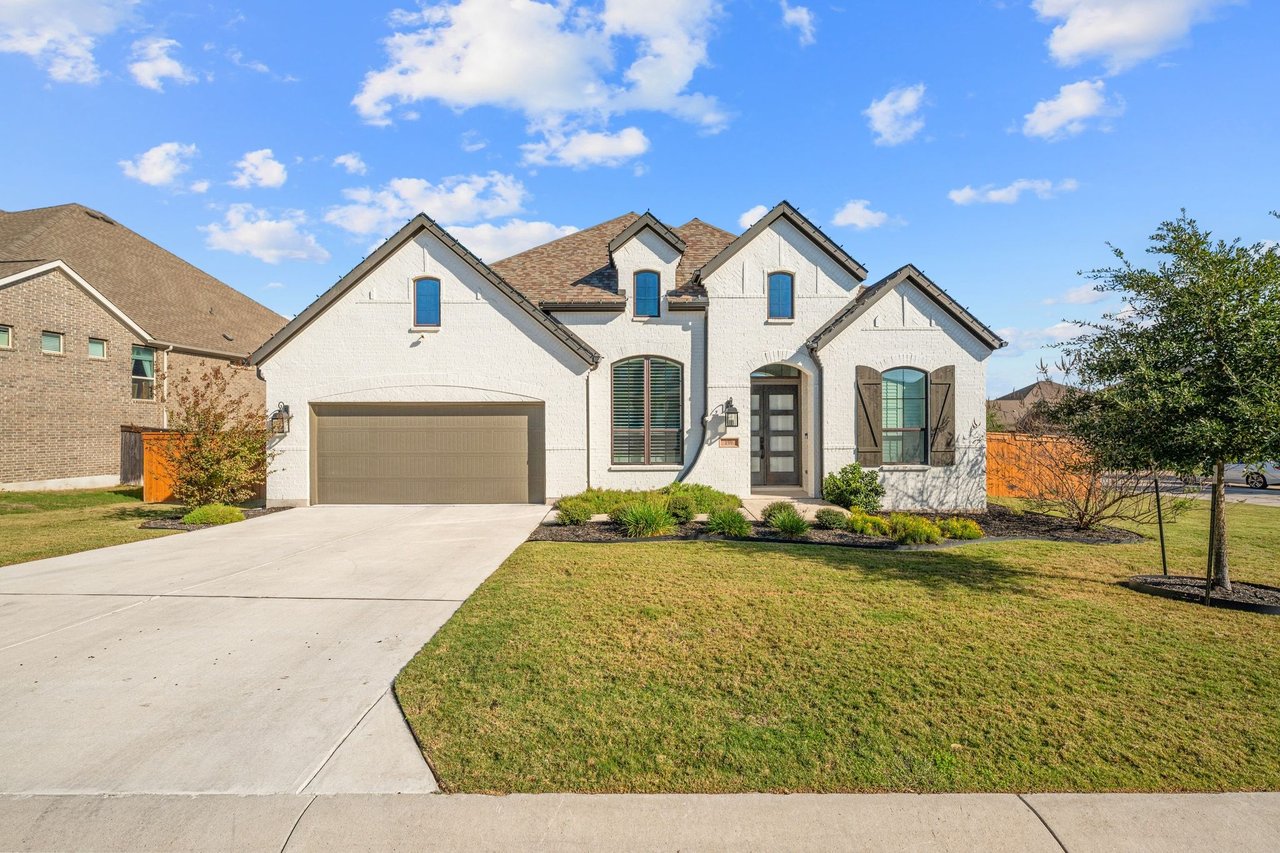
Before you fall in love with a house, make sure you understand the full cost of owning it.
If you are moving to Austin from another state, there are probably a few things about the local real estate market that will surprise you. One of the biggest is property taxes.
Texas does not have a state income tax, but local taxing entities collect property taxes to help fund services such as public schools, roads, emergency services, and local government. Depending on where you buy, your property may be subject to several different taxing entities.
You may also come across terms like MUD and PID while searching for homes, especially in newer communities around Austin and the surrounding suburbs.
These terms can sound confusing at first, but understanding them can help you compare properties more accurately and avoid surprises after closing.
When I work with relocation clients, I want them to look beyond the asking price and monthly mortgage estimate. The goal is to understand what owning a particular home will actually cost and how that fits into their plans.
Here is what you should know before buying a home in Austin.
Texas property taxes are determined by the taxable value of your property and the combined tax rates of the local taxing entities that apply to it.
Those entities may include:
Your county
Your city, if the property is within city limits
Your local school district
Applicable special districts
Each taxing entity sets its own rate, so two homes with similar prices can have different annual property tax bills simply because they are located in different taxing jurisdictions.
This is especially important when comparing Austin with surrounding communities such as Cedar Park, Leander, Georgetown, Buda, and Kyle. Even homes within the same general area may fall under different taxing entities.
For buyers relocating from states where property taxes work differently, it is worth understanding these costs before choosing a home.
MUD stands for Municipal Utility District.
A MUD is a special local government district that can provide services such as water, wastewater, drainage, and other infrastructure to a designated area. MUDs are common in developing communities where the necessary infrastructure may not be provided directly by a city.
Some MUDs levy property taxes to pay for infrastructure costs and debt. The rate varies by district, and not every property in the Austin area is part of a MUD.
Why does this matter when you are buying a home?
A property located in a MUD may have a different overall tax rate than a similar home outside that district. That difference can affect your monthly housing expenses, so it is worth checking before making a decision.
You should also understand that a MUD is not automatically a bad thing. These districts can help make residential development possible by financing infrastructure needed for a growing community.
The important part is knowing whether the property is in a MUD, what the applicable tax rate is, and how that cost fits into your budget.
PID stands for Public Improvement District.
A PID is a designated area where property owners may be assessed to fund certain public improvements or services. Depending on the district, those improvements can include roads, sidewalks, landscaping, parks, or other infrastructure and amenities.
PIDs are different from MUDs, although both may be associated with residential development.
A PID assessment may be collected through a separate assessment bill or another designated collection process, depending on the district. It is important to verify the specific arrangement for the property you are considering.
When evaluating a home, ask whether a PID applies, what the current assessment is, how long it is expected to remain in place, and whether the amount can change.
Do not assume that a PID assessment is included in the property tax estimate you see on a real estate website. Confirm the details for the specific property.
There is no single property tax rate that applies to every home in Austin.
Your total tax bill depends on the property's taxable value, the tax rates of the applicable entities, and any exemptions or adjustments that apply.
For a simplified example, imagine a property with a taxable value of $500,000 and a combined tax rate of 2%. The estimated annual property tax would be $10,000, or approximately $833 per month.
This is only an illustration, not an estimate of the tax rate for a particular Austin home. Your actual bill could be higher or lower.
It is also important to understand that the taxable value may differ from the asking price or purchase price. Exemptions and applicable appraisal rules can affect the amount on which taxes are calculated.
When comparing homes, I recommend looking at the actual property tax information for each one rather than using a broad estimate for the neighborhood.
You can start with the Travis County property tax rate information or the Travis County Appraisal District's website. For homes outside Travis County, check the appropriate county's tax and appraisal resources as well.
When a lender estimates your monthly mortgage payment, property taxes and homeowners insurance are often included in the total housing payment.
This means a home with a lower asking price does not always have a lower monthly cost than a more expensive property.
For example, two homes might have similar mortgage payments before taxes and insurance. If one property has a substantially higher property tax bill, the monthly payment could end up being noticeably different.
That is why I encourage buyers to compare the full monthly cost of homeownership, including:
Principal and interest on the mortgage
Property taxes
Homeowners insurance
HOA dues, if applicable
Any applicable PID assessments
Utilities and routine maintenance
For buyers considering new construction, this is especially important. A community may advertise a price that fits your budget, but you still need to understand the property's expected tax obligations and other recurring expenses.
If you are still working through your price range, my guide to How Much House Can I Afford in Austin? can help you start with the bigger picture.
They can.
Property values and tax rates can change over time, and your future tax bill may not match the previous owner's bill.
For example, a seller may have had a homestead exemption or another qualifying exemption that does not transfer to you. If the property has been newly built or recently improved, its prior tax history may not reflect the full value of the completed home.
Texas offers certain property tax exemptions for eligible homeowners, but the rules and application requirements matter. The Texas Comptroller explains that exemptions generally require an application with the appropriate appraisal district.
If the property will be your primary residence, check the current homestead exemption requirements and deadlines with the relevant county appraisal district.
I also recommend asking your lender how taxes will be estimated in your initial monthly payment and whether that estimate could change as updated assessments become available.
If you are considering a newer neighborhood around Austin, make sure you understand the financial details before committing.
Here are some helpful questions to ask:
What are the current property tax rates for this specific property?
Is the property located in a MUD or another special taxing district?
Does a PID assessment apply?
Are there HOA dues or other recurring community fees?
Is the home newly constructed, and does its current tax history reflect the completed property?
What assumptions is my lender using to estimate property taxes?
Are there exemptions I may qualify for after closing?
These are not just details to sort out at the end of the transaction. They can help you compare neighborhoods and make a more informed decision from the beginning.
Buying a home in Austin is about finding a property and location that work for your life, but the financial details matter just as much as the floor plan or backyard.
Property taxes, MUDs, and PIDs can be confusing at first, especially if you are relocating from another state. Taking time to understand them can help you compare homes accurately and feel more confident about your decision.
If you are planning a move to Austin, I can help you compare neighborhoods, evaluate the costs associated with different properties, and connect you with the appropriate professionals when you need more detailed tax or lending guidance.
Madison Swanson
Luxury Real Estate Advisor, Compass
@buyingwithmadison
Related Articles
Moving to Austin: A Complete Relocation Guide
How Much House Can I Afford in Austin?
Moving to Austin? How to Choose the Right Neighborhood for Your Lifestyle
Relocating From California to Austin: What to Know Before You Move
Relocating From New York to Austin: What to Know Before You Move