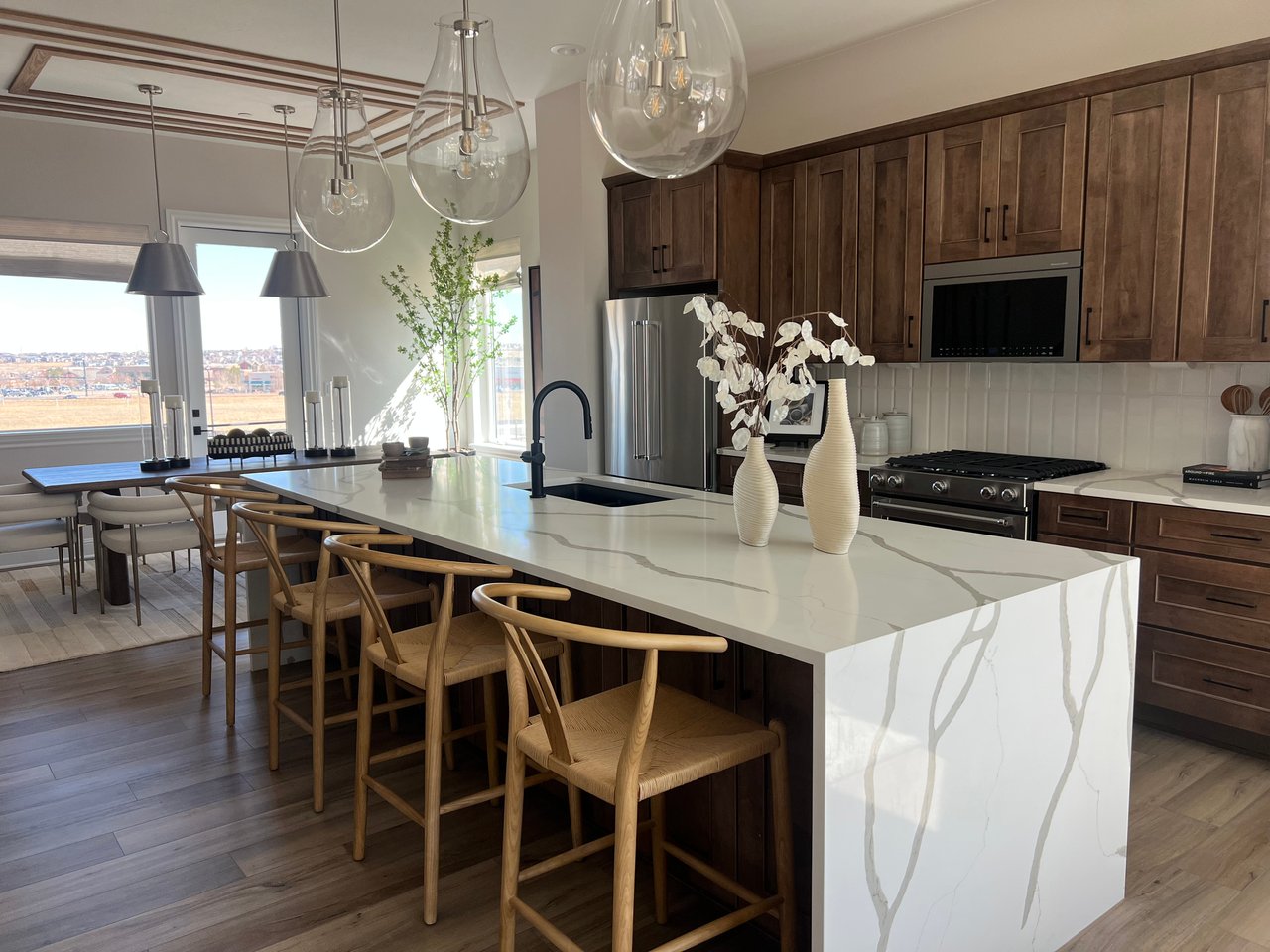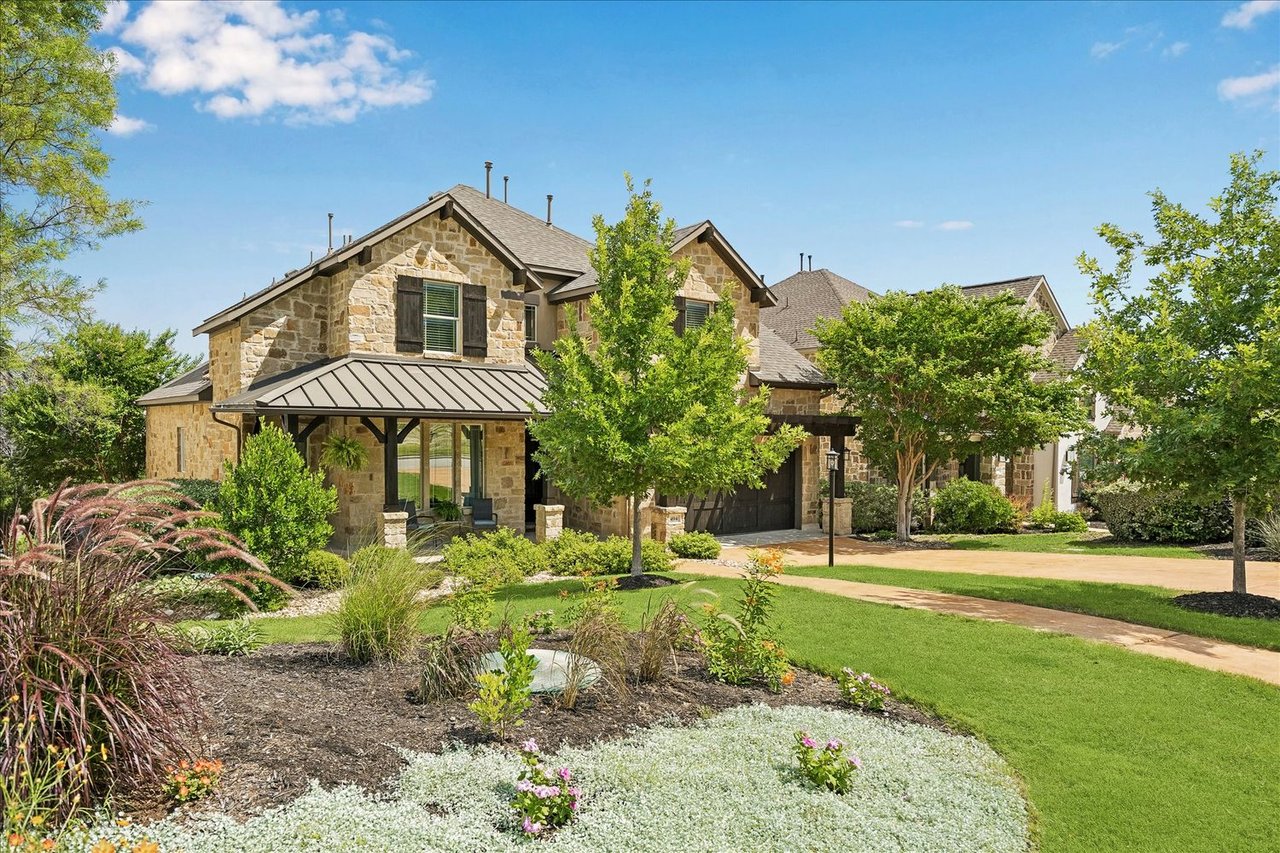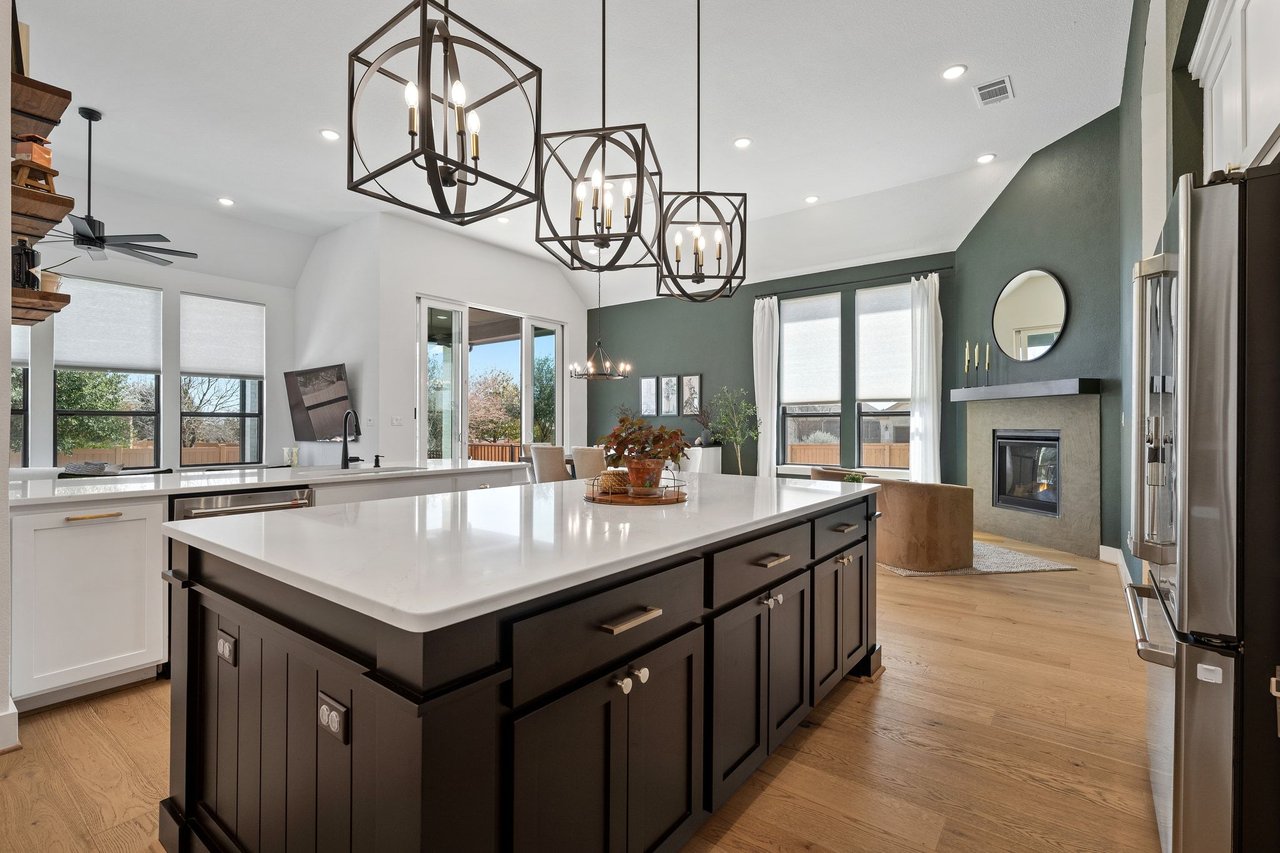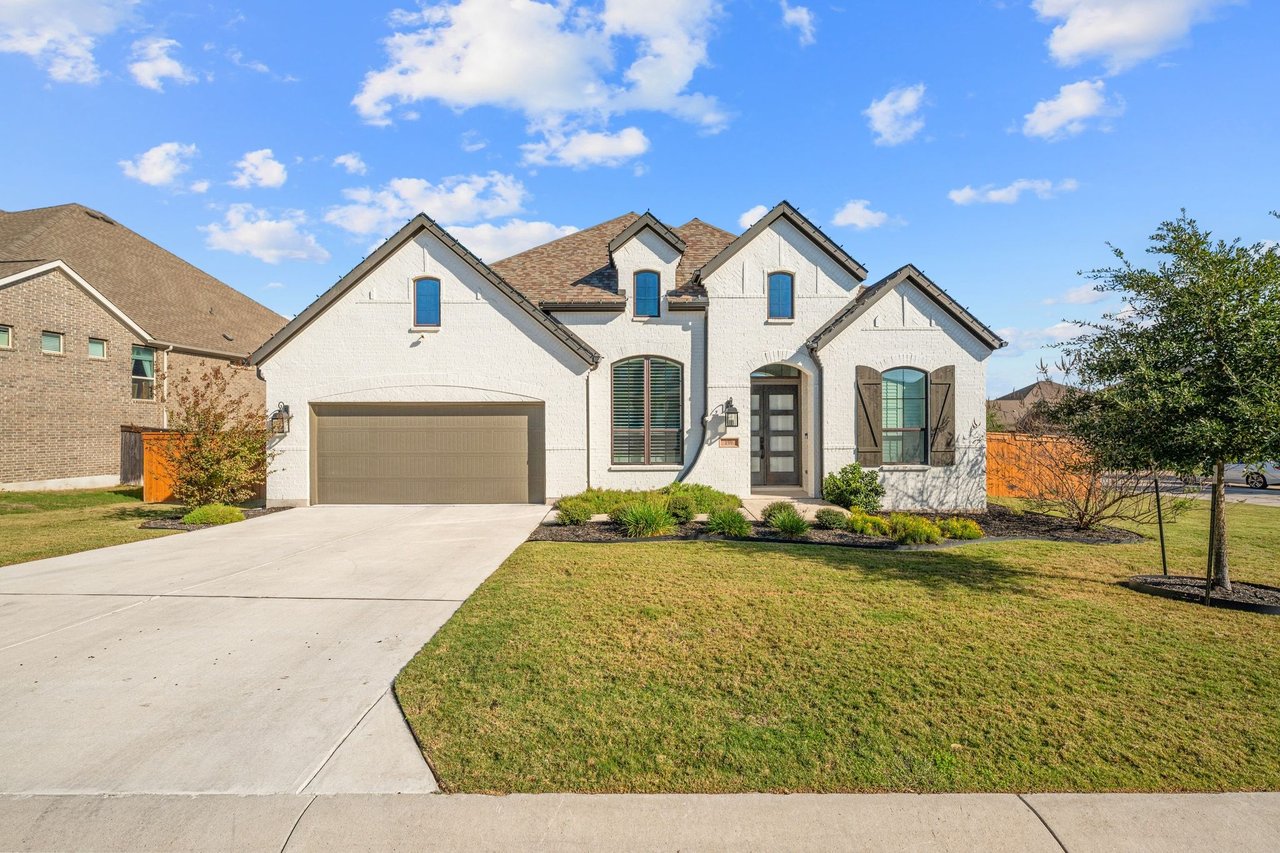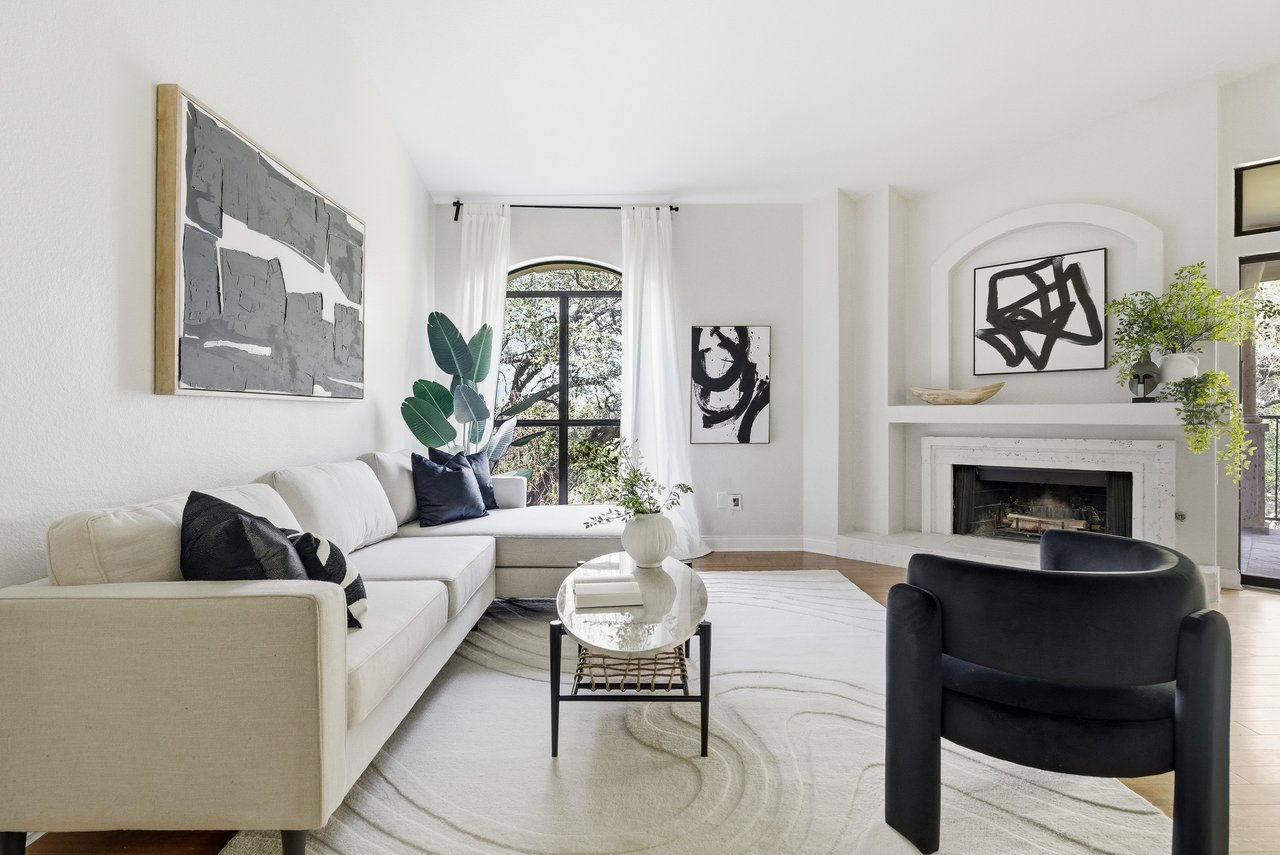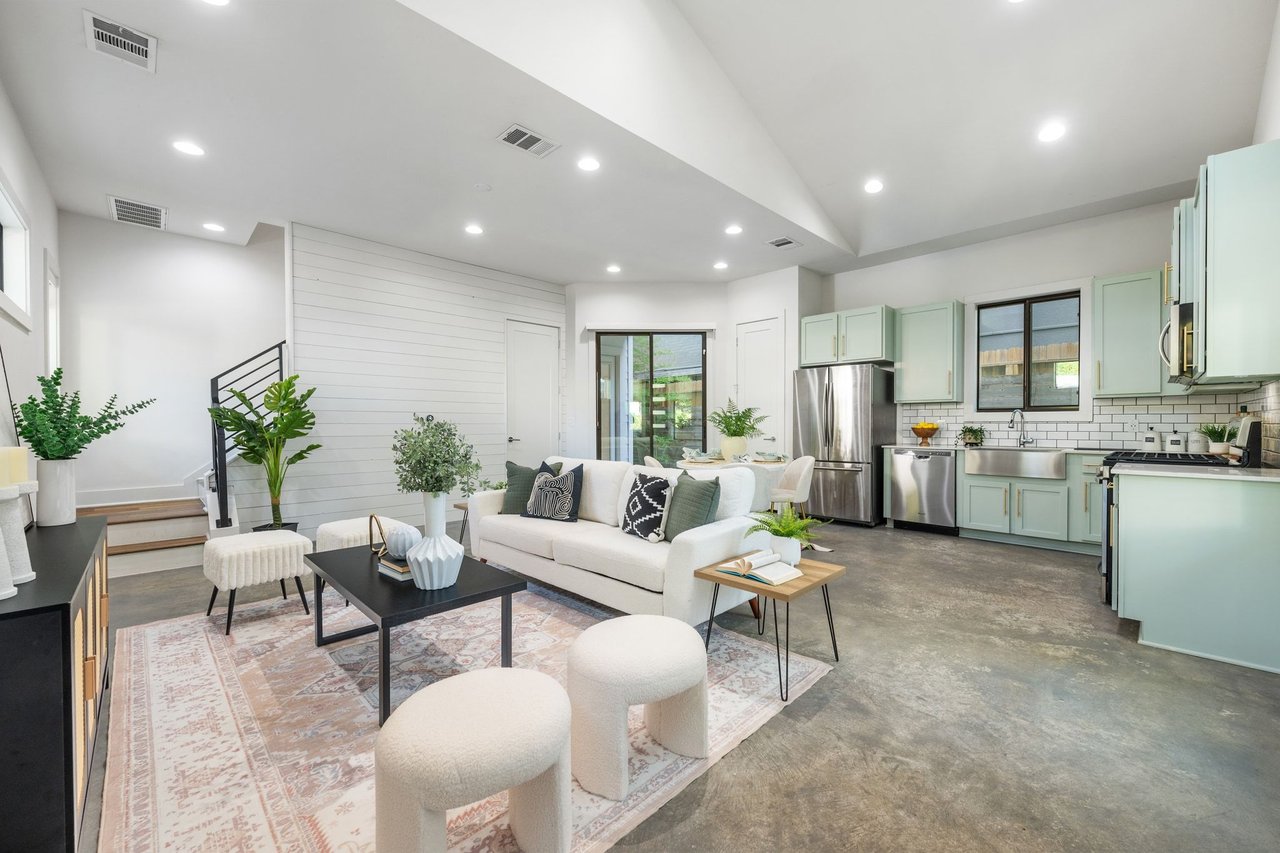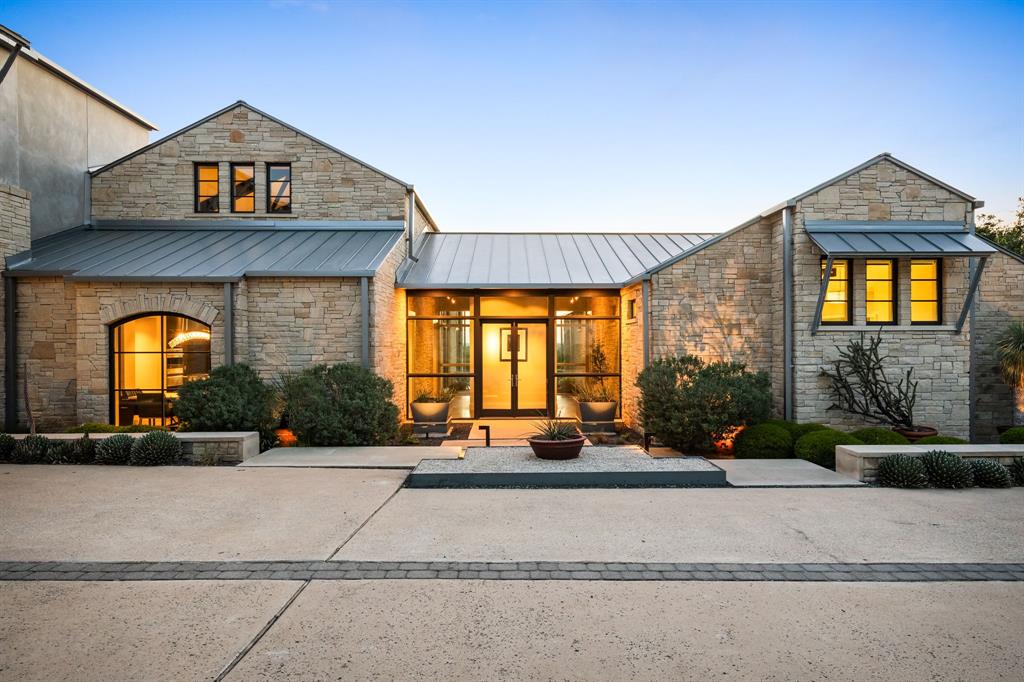
The difference often comes down to pricing, presentation, and how well a home is positioned for the buyers most likely to want it.
If you have been watching the Austin real estate market, you have probably noticed something interesting. One home seems to go under contract almost immediately, while another similar property sits on the market for weeks or even months.
It can be frustrating for sellers, especially when they feel their home is just as nice as the one down the street that sold quickly.
So what makes the difference?
There is rarely one single answer. The location, condition, asking price, marketing, and buyer demand all play a role. And in a market where buyers have options, the details matter.
Here are the factors I look at when helping sellers position their homes for a successful sale.
A beautiful home can still struggle if the asking price does not match what buyers believe it is worth.
Buyers today have access to plenty of information. They can compare active listings, review recent sales, and quickly decide whether a property feels competitive.
If a home is priced noticeably above similar properties without offering a clear reason for the difference, buyers may skip it altogether.
The challenge is that sellers naturally look at their home through a personal lens. They remember the renovation they completed, the money they invested, and the years they spent making it their own. Those things matter, but the market ultimately determines what a buyer is willing to pay.
A strong pricing strategy takes both the home's unique features and the current competition into account.
If you are wondering where to start, my article How to Price Your Home in Austin in Today's Market walks through the factors that help determine an appropriate asking price.
First impressions matter, especially when buyers are scrolling through dozens of listings online.
Before they ever schedule a showing, they are looking at photos, the floor plan, the condition of the home, and whether it seems worth seeing in person.
That is why preparation is such an important part of the selling process.
A home does not need to be completely renovated to make a strong impression. Sometimes the biggest improvements are relatively simple:
Removing excess furniture and personal items
Touching up paint and taking care of minor repairs
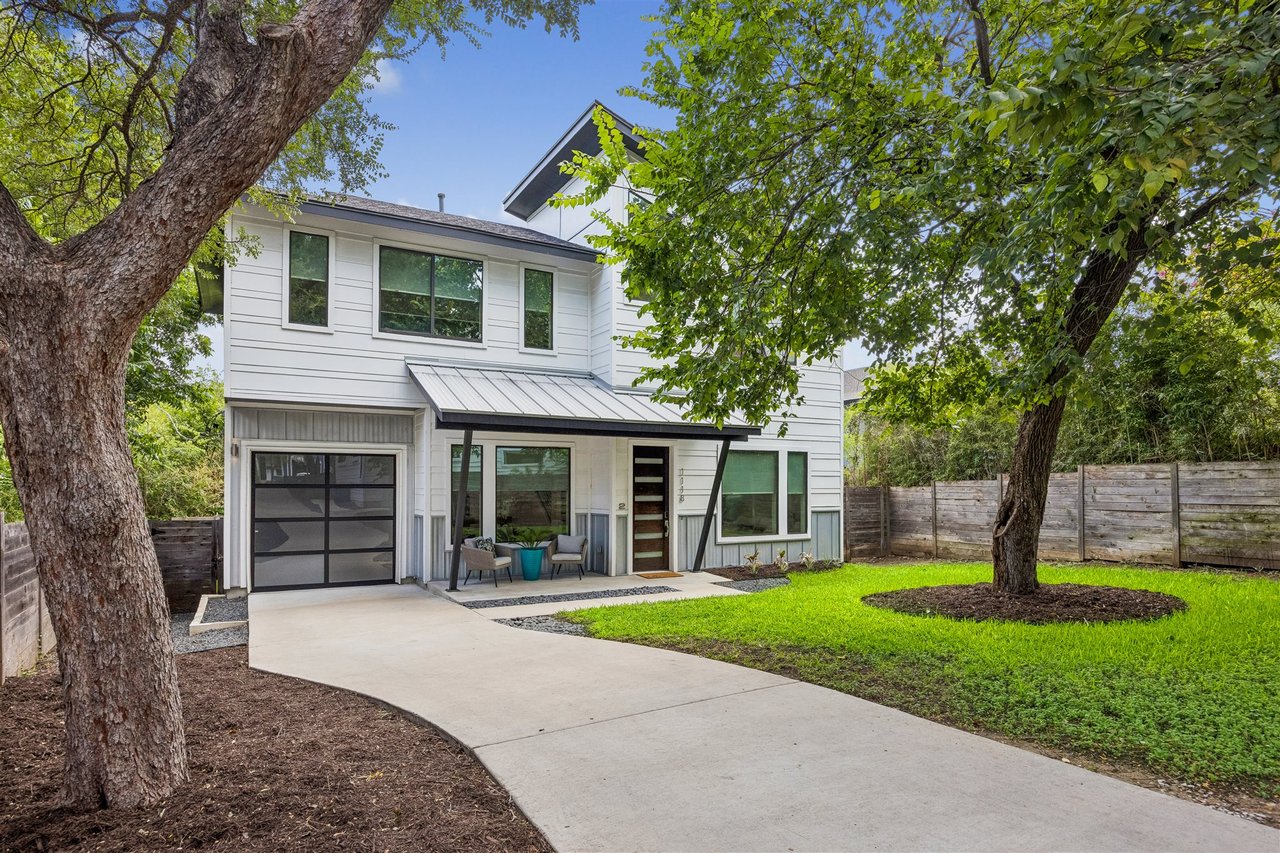
Improving landscaping and the front entrance
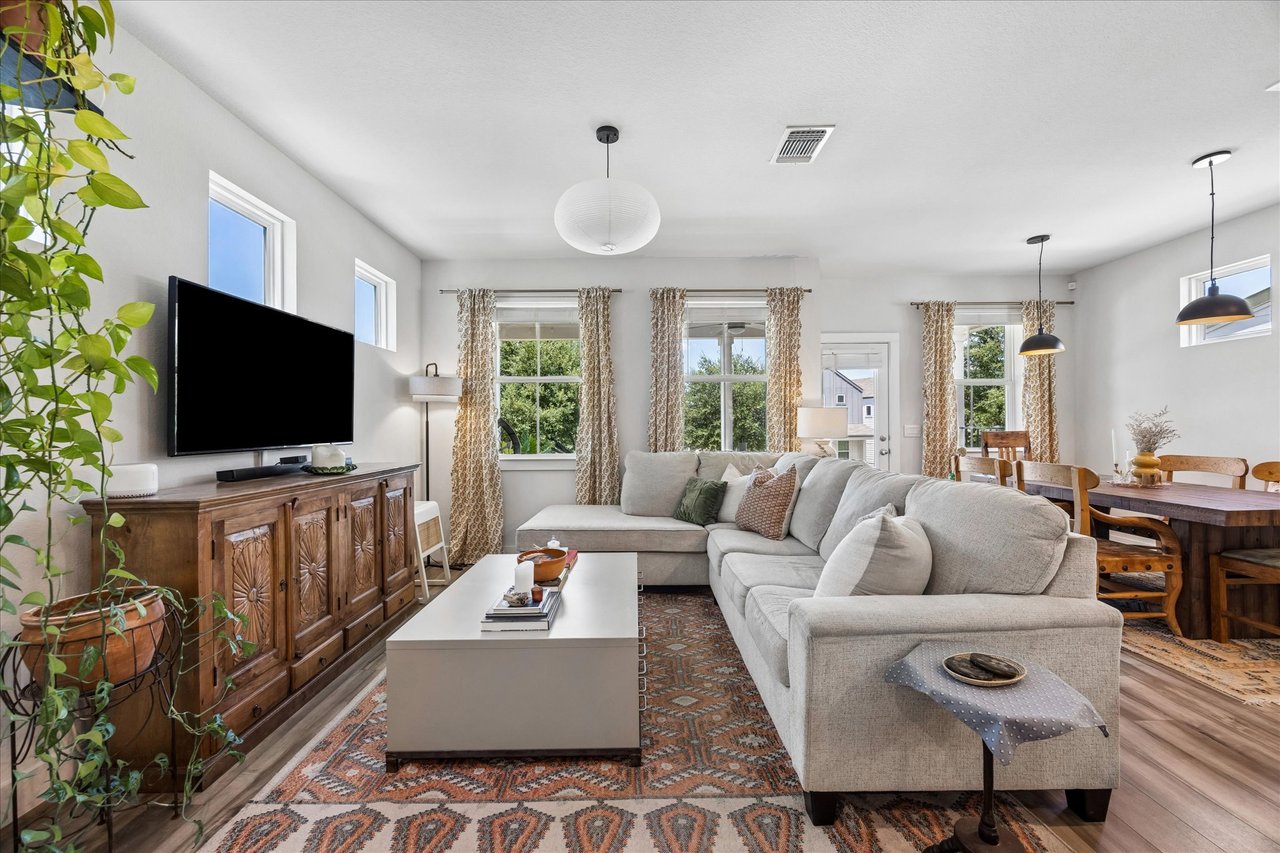
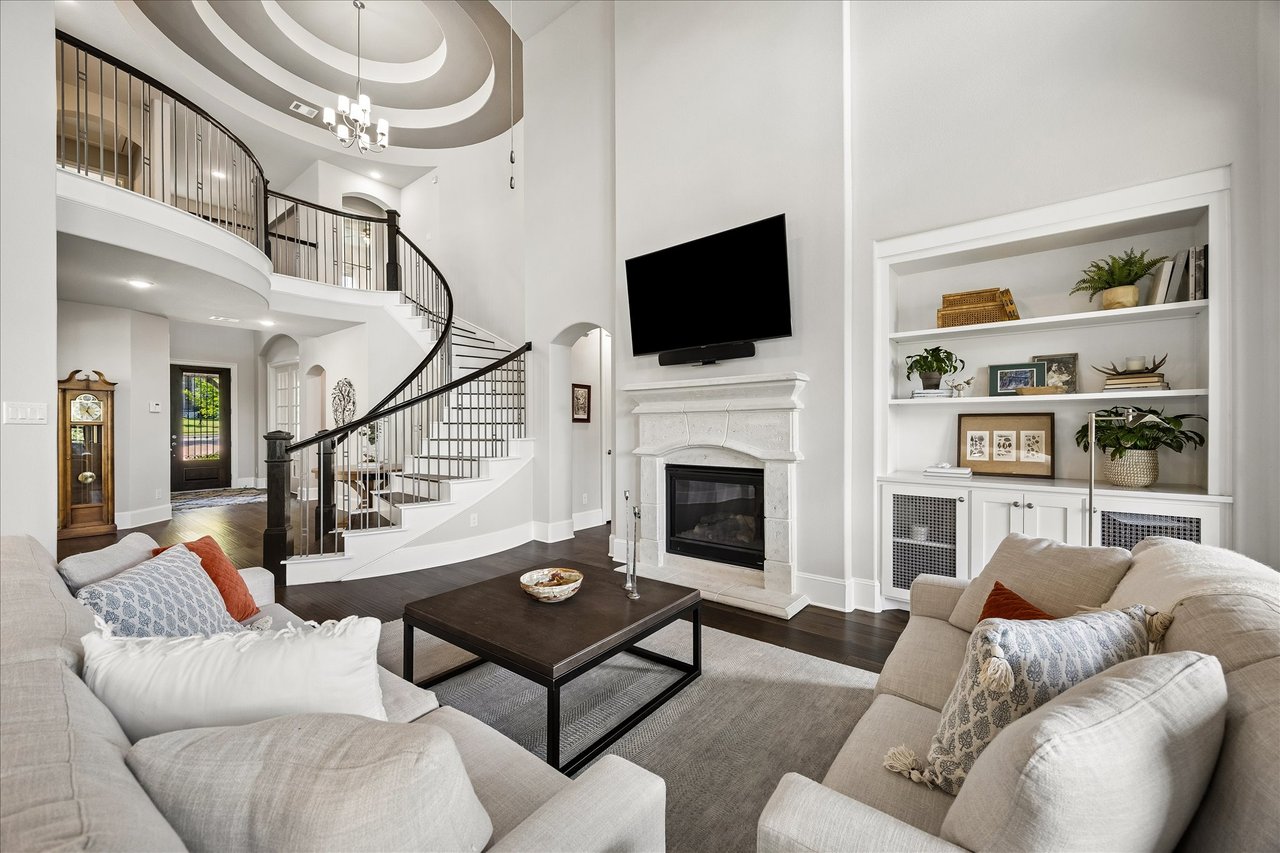
Making sure rooms feel clean, bright, and functional
Using professional photography that accurately showcases the property
The goal is to help buyers understand the space and picture themselves living there.
I work with sellers to identify the updates that make sense for their property and budget. Not every home needs the same preparation, and I do not want you spending money on improvements that are unlikely to make a meaningful difference. Read more about this in my blog post "Is It Better to Renovate or Sell Your Austin Home As Is?".
Getting a home listed online is only one part of a marketing strategy.
Professional photography is important, but the marketing should also tell the story of the property. What makes the location appealing? Does the home have a private backyard, a flexible floor plan, beautiful natural light, or a layout that works particularly well for today's buyers?
Those details help the right people understand why the home deserves their attention.
Depending on the property, marketing may include professional photography, video, digital advertising, social media, email outreach, agent networking, and open houses. The strategy should reflect the home itself and the audience most likely to be interested.
I also believe it is important to think about exposure before a listing goes live. Preparation, timing, and the way a property is introduced to the market can all influence how much initial interest it receives.
A home should not simply appear online and be left to fend for itself. The marketing plan needs to give buyers a reason to take a closer look.
Some homes naturally appeal to a larger pool of buyers than others.
A property with a functional floor plan, convenient access to major destinations, desirable outdoor space, or features that are difficult to find in the surrounding area may have an advantage.
Other properties may have characteristics that narrow the buyer pool. That could include a busy road, limited parking, an unusual layout, significant maintenance needs, or a location that does not fit as many buyers' preferences.
These factors do not make a home unsellable. They simply influence how we position it and what buyers may be willing to pay.
For example, a home with a smaller yard might appeal to buyers who want less maintenance, while a property with a large yard could attract someone looking for more outdoor space. Understanding the likely buyer is part of building a smart strategy.
When a home first becomes available, it reaches buyers who have already been watching the market and waiting for the right property.
That initial attention is valuable.
If the home is priced competitively and presented well, the first few weeks can create meaningful interest. If it misses the mark on price or presentation, buyers may move on to other options.
This is one reason I encourage sellers to complete as much preparation as possible before listing rather than rushing to market before the home is ready.
It is also why I like to discuss the launch plan in advance, including photography, marketing materials, showing logistics, and timing.
You cannot control every factor affecting buyer demand, but you can control how prepared your home is when it becomes available.
This is where buyer feedback becomes especially important.
If a property is receiving showings but no offers, there may be a disconnect between what buyers expect at that price and what they experience when they walk through the door.
Sometimes the feedback points to a condition issue or a feature buyers do not love. Other times, the home may simply be competing against a stronger option at a similar price.
The answer is not always to reduce the price immediately. First, it helps to look at the full picture, including showing patterns, comments from buyers and agents, and recent activity among comparable listings.
However, if the evidence consistently points to a pricing issue, waiting too long to make an adjustment can cost valuable time.
Sellers deserve honest feedback and a clear explanation of their options. I believe in reviewing the information together and making decisions based on what is happening in the market rather than relying on guesswork.
A longer selling timeline does not automatically mean there is something wrong with your home.
Market conditions, price range, property type, and seasonality all influence how quickly a property sells. Still, if a home has been listed for a while without meaningful progress, it is worth taking a fresh look at the strategy.
I would review the asking price against current competition, evaluate the online presentation, look at showing activity, and revisit the feedback received so far. I would also consider whether the marketing is reaching the right audience.
Sometimes a few changes can help reposition a listing. In other cases, the original approach needs a more significant adjustment.
The important thing is to have a plan and communicate clearly about what is working, what is not, and what we should do next.
For more preparation advice, read 7 Things Austin Sellers Should Do Before Listing Their Home.
Selling a home is not just about putting a sign in the yard and waiting for the right buyer to come along. Pricing, preparation, marketing, and ongoing adjustments all play a role in the outcome.
Every property is different, which is why I believe in building a strategy around the home, the current market, and the seller's goals rather than following a one size fits all approach.
If you are thinking about selling your Austin home and want an honest opinion about how to position it, I would love to help you work through the options.
Madison Swanson
Luxury Real Estate Advisor, Compass
@buyingwithmadison
Related Articles
How to Price Your Home in Austin in Today's Market
How to Sell Your Austin Home Faster Without Lowering The Price
How to Sell Your Home in Austin's Current Market